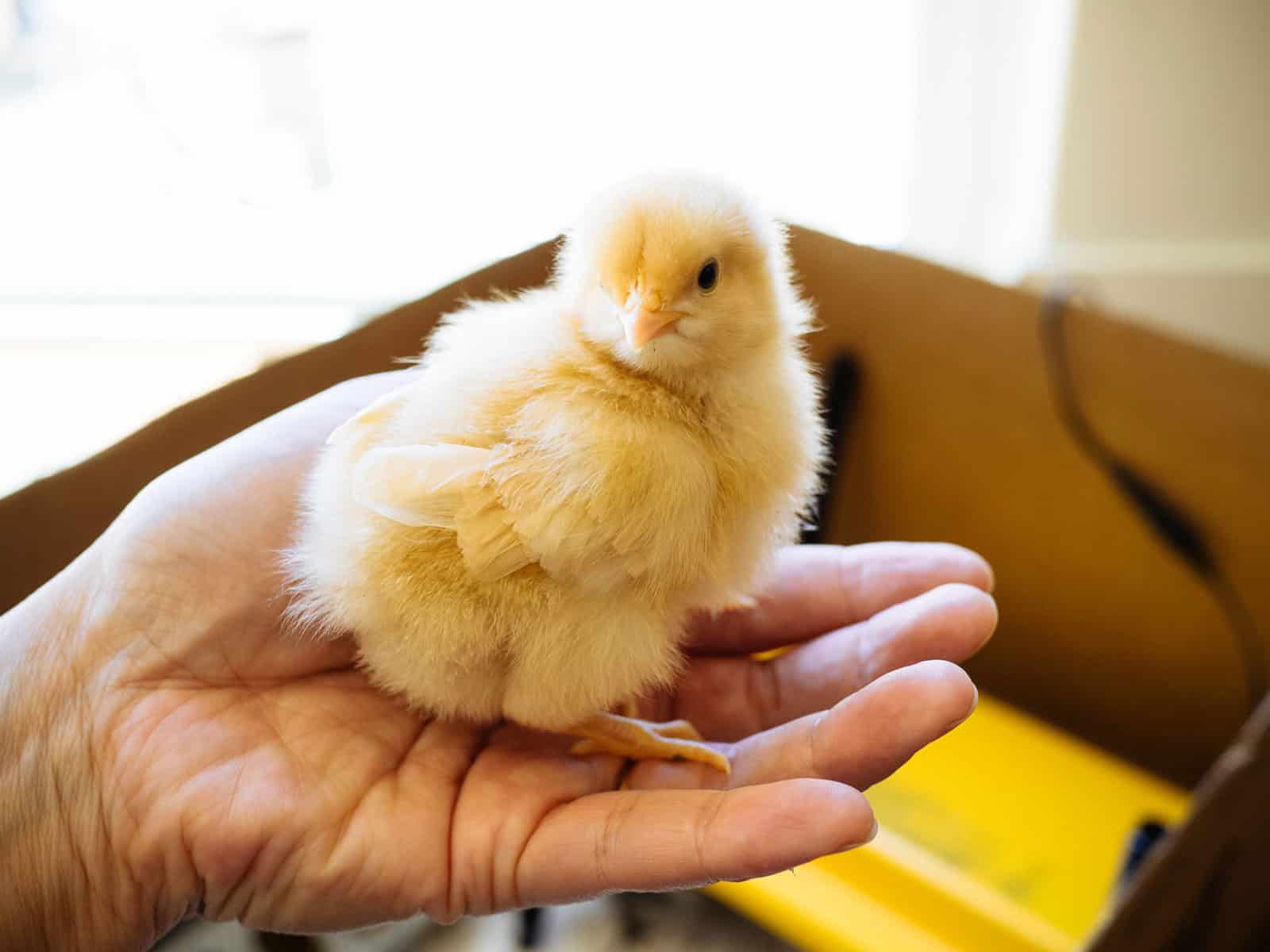
Chick Growth Stages: Complete Management Guide for Young Chicken Farmers
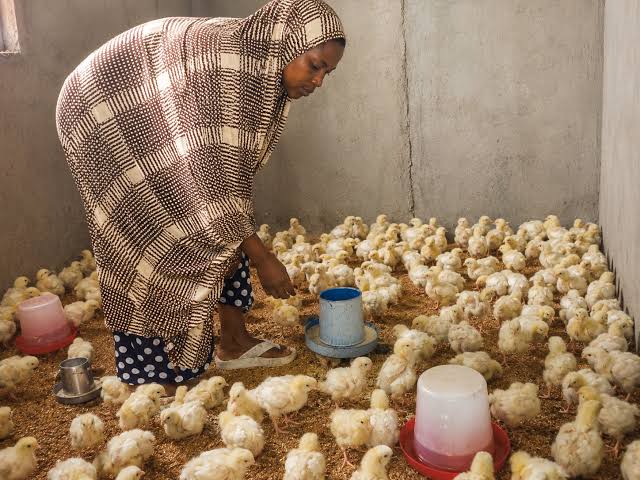
Understanding the different growth stages of chickens is one of the most important things a young poultry farmer needs to learn. A chick does not have the same nutritional, temperature, housing and management requirements throughout its life.
What is suitable for a one-day-old chick may be completely unsuitable for a six-week-old bird.
Proper management at every stage helps birds grow faster, reduces disease problems, improves feed efficiency and can increase the profitability of your poultry farm.
This guide explains the major growth stages of chickens from day-old chicks to finishing broilers and developing layers.
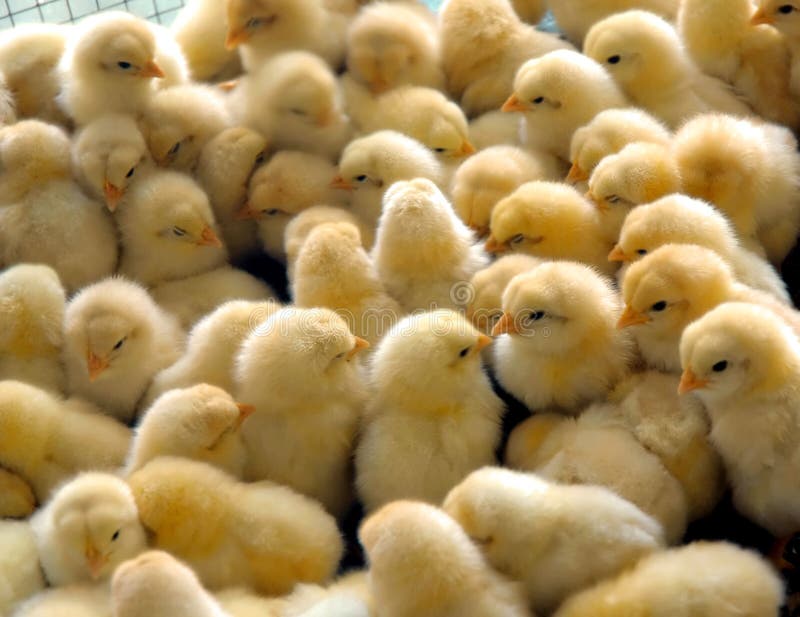
🐣 Stage 1: 0–1 Week — The Most Critical Period
The first week is one of the most delicate periods in poultry production. Newly hatched chicks cannot regulate their body temperature effectively, and mistakes in brooding can cause high mortality.
1. Chick Care During the First Week
Before bringing chicks to the farm, prepare the brooder house.
The house should be:
- Clean and disinfected.
- Dry and well ventilated.
- Protected from rain and strong drafts.
- Free from rats, cats and other predators.
- Equipped with feeders and drinkers.
- Properly heated before the chicks arrive.
Preheating the brooder before arrival is important because chicks should not be placed into a cold environment.
When chicks arrive, gently place them in the brooder and immediately provide access to clean drinking water and feed.
Observe their behaviour rather than relying only on a thermometer.
How to know if chicks are comfortable
If chicks are:
Too cold: They crowd together under the heat source and may constantly chirp.
Too hot: They move far away from the heat source, pant or spread their wings.
Comfortable: They spread themselves relatively evenly around the brooding area and are active.
This behaviour is one of the easiest ways for a new farmer to identify temperature problems.
2. Temperature Management
Temperature is extremely important during the first week.
A commonly used starting brooding temperature is around 32–35°C at chick level, depending on the housing system, breed and environmental conditions.
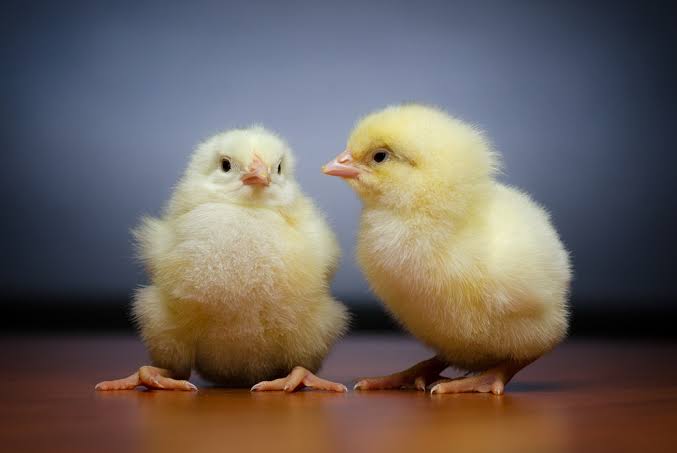
The temperature should gradually be reduced as chicks grow and develop feathers.
Do not depend entirely on the thermometer. Always combine temperature readings with chick behaviour.
Avoid:
- Excessive heat.
- Cold drafts.
- Sudden temperature changes.
- Wet litter.
- Poor ventilation.
A chick that becomes chilled may stop eating and drinking properly and become more vulnerable to disease.
3. Feeding During 0–1 Week
Day-old chicks require a nutritionally balanced chick starter feed.
Starter feed is formulated to provide the protein, energy, vitamins and minerals required for rapid early growth.
Provide feed in clean feeders and make sure chicks can easily reach it.
During the first few days, avoid allowing feed to become contaminated with litter or droppings.
Chicks should have access to feed throughout the day.
Do not assume that giving more feed automatically means faster growth. Feed quality, bird health and proper management are equally important.
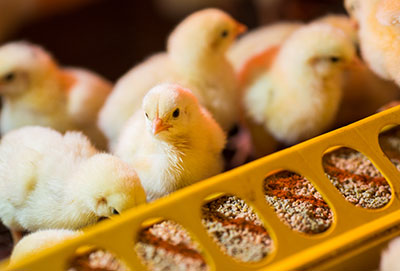
4. Water Requirements
Clean drinking water should be available continuously.
Check drinkers several times a day.
Young chicks can become dehydrated quickly, especially in hot weather.
Drinkers should be positioned so that chicks can easily reach them without climbing or struggling.
Keep drinking equipment clean to reduce contamination.
5. Vaccination During the First Week
Vaccination schedules vary according to the type of bird, disease risks in the area, hatchery programme and veterinary recommendations.
Some chicks may already receive certain vaccines at the hatchery, while others require vaccination on the farm.
Do not blindly copy another farmer’s vaccination schedule.
Instead:
- Ask the hatchery what vaccines the chicks have already received.
- Obtain the recommended vaccination programme for your location.
- Work with a poultry veterinarian or animal-health professional.
- Follow vaccine storage and administration instructions carefully.
Vaccination works best when combined with good hygiene, biosecurity, nutrition and management.
6. Common Problems During the First Week
Young farmers should watch carefully for:
- Chicks piling together.
- Chicks becoming weak or inactive.
- Refusal to eat.
- Poor water consumption.
- Wet litter.
- Diarrhoea.
- Difficulty breathing.
- High mortality.
- Pastily blocked vents.
- Poor growth.
- Injuries caused by overcrowding.
If several chicks suddenly become sick or die, do not simply start giving random medications.
Contact a qualified poultry veterinarian or animal-health professional to determine the likely cause.
🐥 Stage 2: 2–4 Weeks — Rapid Growth Stage
By two weeks, chicks are stronger and beginning to develop feathers. However, they still require careful management.
The brooding temperature can gradually be reduced as the birds feather out.
🌽 1. Feeding From 2–4 Weeks
Chicks generally continue on starter feed during this period, depending on the feed programme being used.
The important factors are:
- Adequate protein.
- Adequate energy.
- Essential amino acids.
- Vitamins and minerals.
- Clean feed.
- Constant access to clean water.
Feed consumption will increase as the birds grow.
Do not suddenly change feed because you believe the birds are growing quickly.
Any feed transition should follow the recommended programme for the breed and production type.
2. Monitoring Growth
Growth should be monitored regularly.
A young farmer should not judge growth only by looking at the birds.
Select a representative sample of birds and weigh them periodically.
Record:
- Date.
- Number of birds.
- Average body weight.
- Feed consumed.
- Mortality.
- General health condition.
Keeping records helps you identify problems early.
If your birds are consistently below the expected weight for their breed and age, investigate possible causes such as poor feed quality, disease, overcrowding, inadequate water, temperature stress or poor management.
3. Temperature During 2–4 Weeks
As chicks develop feathers, their need for supplementary heat decreases.
Gradually reduce brooding temperature rather than making a sudden change.
By this stage, good ventilation becomes increasingly important.
The poultry house should have enough fresh air without creating strong drafts directly on the birds.
4. Space Requirements
As birds grow, they need more floor space.
Overcrowding can lead to:
- Competition for feed and water.
- Wet litter.
- Poor ventilation.
- Increased stress.
- Feather damage.
- Increased disease transmission.
- Poor growth.
The exact space requirement depends on factors such as:
- Breed.
- Production system.
- Climate.
- Housing design.
- Bird age.
- Ventilation.
- Target market weight.
Always increase available space as the birds grow.
5. Disease Prevention
Disease prevention should be a daily activity.
Good practices include:
- Restrict unnecessary visitors.
- Keep the poultry house clean.
- Disinfect equipment appropriately.
- Control rodents and insects.
- Keep wild birds away.
- Avoid mixing birds of different ages unnecessarily.
- Remove dead birds promptly and dispose of them safely.
- Keep litter dry.
- Provide clean water.
- Follow an appropriate vaccination programme.
Remember that prevention is generally easier and cheaper than treating a serious disease outbreak.
🐔 Stage 3: 5–8 Weeks — Grower Management
At five to eight weeks, birds have moved well beyond the delicate chick stage.
For broilers, this can be an important period for rapid growth and preparation for market.
For future layers, this is part of the growing/development phase.
🌽 1. Feed Requirements
Feed requirements increase as body size increases.
Depending on the production programme, birds may transition from starter feed to grower feed.
Do not change feed based solely on age without considering the feed manufacturer’s programme and the type of chicken you are raising.
Broilers and future layers have different nutritional objectives.
Broilers
The objective is efficient growth and development of marketable body weight.
Future layers
The objective is controlled, healthy development rather than simply maximizing weight as quickly as possible.
This distinction is very important.
2. Weight Targets
There is no single correct body weight for every chicken at every age.
Weight targets depend on:
- Breed or strain.
- Sex.
- Feed programme.
- Management.
- Disease history.
- Environment.
- Production objective.
For broilers, follow the breed or hatchery performance guide where available.
For pullets, monitor body weight against the target curve provided for the specific commercial strain.
The goal is not simply to produce the heaviest bird possible.
For future layers, excessive weight gain at the wrong stage can negatively affect flock development.
3. Housing From 5–8 Weeks
At this stage, birds produce more body heat and require good ventilation.
Make sure:
- The house is not overcrowded.
- Litter remains dry.
- Feeders are adequate.
- Drinkers provide sufficient water.
- Air circulation is good.
- Birds are protected from rain and predators.
- There is enough space for normal movement.
Poor ventilation can contribute to respiratory problems and poor performance.
4. Common Diseases and Health Problems
Common health problems in growing chickens may include:
- Coccidiosis.
- Respiratory diseases.
- Bacterial infections.
- Worm infestations.
- Newcastle disease.
- Infectious bursal disease, depending on age and local disease risk.
- Nutritional deficiencies.
- Heat stress.
The symptoms of different diseases can look similar.
For example, poor appetite, diarrhoea and weakness may have several possible causes.
Avoid diagnosing serious disease based only on internet information or another farmer’s experience.
When unusual sickness or mortality occurs, seek professional veterinary advice.
🐓 Stage 4: 9 Weeks and Above
At nine weeks and beyond, management becomes increasingly dependent on whether you are raising broilers, layers or another type of chicken.
Broilers are usually managed toward market weight, while future layers are managed for proper reproductive development.
🍗 1. Broiler Finishing
Broilers at this stage are approaching their market period depending on the strain, target weight and farming system.
The farmer should focus on:
- Feed efficiency.
- Body weight.
- Water availability.
- Ventilation.
- Disease prevention.
- Litter quality.
- Stress reduction.
- Market planning.
Do not keep broilers unnecessarily long simply because the birds can continue gaining weight.
Feed costs increase as birds get older, so the farmer needs to compare additional weight gain with additional feeding and production costs.
🌽 2. Feed Changes for Broilers
Broilers may move through different feed phases such as:
Starter → Grower → Finisher
The exact timing depends on the feed programme and production objectives.
Finisher feed is designed for birds approaching market age.
Always follow the manufacturer’s feeding instructions and consider withdrawal requirements for any veterinary medicines that have been used.
🐔 3. Layer Development
Future laying birds require different management from broilers.
The objective is to develop a healthy pullet that reaches the appropriate body weight and maturity at the right time.
Important factors include:
- Body weight.
- Uniformity.
- Feed intake.
- Skeletal development.
- Vaccination.
- Disease prevention.
- Lighting programme.
- Housing.
- Water consumption.
A layer farmer should not try to make pullets excessively fat.
Uniformity is especially important because a flock where birds are developing at very different rates can be more difficult to manage when production begins.
4. Feed Changes in Growing Pullets
Future layers generally move through different diets as they grow.
Depending on the feeding programme, these may include:
Starter → Grower/Developer → Pre-layer → Layer feed
Do not introduce layer feed too early simply because the birds are getting older.
Layer diets contain nutritional levels designed for birds entering or in egg production, including substantially different calcium requirements.
Follow the nutrition programme recommended for the particular layer strain.
5. Weight Monitoring
Regular weighing is one of the best management tools available to a poultry farmer.
Do not wait until birds look obviously small before checking their weight.
Record weights regularly and compare them with the recommended growth curve for the breed.
Look at both:
Average weight
and
Uniformity of the flock.
If many birds are significantly below target, investigate the cause before the problem becomes worse.
🥚 6. Preparing Pullets for Egg Production
As pullets approach sexual maturity, the farmer should ensure that:
- Birds are at the appropriate body weight.
- Vaccination programmes are completed as recommended.
- Housing is ready.
- Nesting facilities are available.
- Feed is changed at the appropriate stage.
- Clean water is continuously available.
- Lighting is managed according to the recommended programme.
- Disease prevention remains strong.
Do not rush birds into laying simply because you want eggs quickly.
Healthy development is more important for long-term flock performance.
Simple Growth Management Table
| Age | Main Focus | Key Management |
|---|---|---|
| 0–1 week | Brooding | Heat, starter feed, water, vaccination, hygiene |
| 2–4 weeks | Early growth | Feed, temperature reduction, space, disease prevention |
| 5–8 weeks | Grower stage | Grower nutrition, weight monitoring, ventilation, housing |
| 9 weeks+ broilers | Finishing | Finisher feed, weight, feed efficiency, market preparation |
| 9 weeks+ future layers | Development | Body weight, uniformity, vaccination, housing and preparation for laying |
Warning Signs Every Young Farmer Should Take Seriously
Regardless of the bird’s age, investigate when you notice:
- Sudden increase in mortality.
- Birds refusing feed.
- Reduced water consumption.
- Severe diarrhoea.
- Bloody droppings.
- Difficulty breathing.
- Coughing or sneezing affecting many birds.
- Birds becoming unusually weak.
- Significant differences in body size.
- Sudden drop in growth.
- Poor feather development.
- Birds becoming unusually quiet.
Early action can prevent a small problem from becoming a major farm loss.
Keep Records From Day One
One of the biggest mistakes young farmers make is raising chickens without proper records.
Keep records of:
- Number of chicks purchased.
- Date chicks arrived.
- Feed purchased.
- Feed consumed.
- Vaccinations.
- Medications used.
- Mortality.
- Weekly body weight.
- Water consumption where practical.
- Sales.
- Revenue.
- Production costs.
These records help you determine whether your poultry business is actually profitable.
Final Advice for Young Chicken Farmers
Successful chicken farming is not simply about buying chicks and giving them feed.
You need to manage the birds according to their age, purpose and development stage.
During the first week, concentrate heavily on brooding, temperature, water, feed and hygiene.
From 2–4 weeks, focus on healthy growth, space, ventilation and disease prevention.
At 5–8 weeks, concentrate on nutrition, weight monitoring, housing and flock health.
From 9 weeks onward, management becomes more specialized. Broilers should be efficiently prepared for market, while future layers should be developed carefully for successful egg production.
Most importantly, do not wait for chickens to become sick before paying attention to management. Good poultry farming is based on prevention, observation, accurate feeding, clean water, proper housing, vaccination and good record keeping.
**A farmer who understands the growth stage of his chickens is in a much better position to produce healthy birds and make better decisions about his poultry busin
Leave a Reply