Fowl Pox in Chickens: Symptoms, Treatment & Prevention for Young Farmers
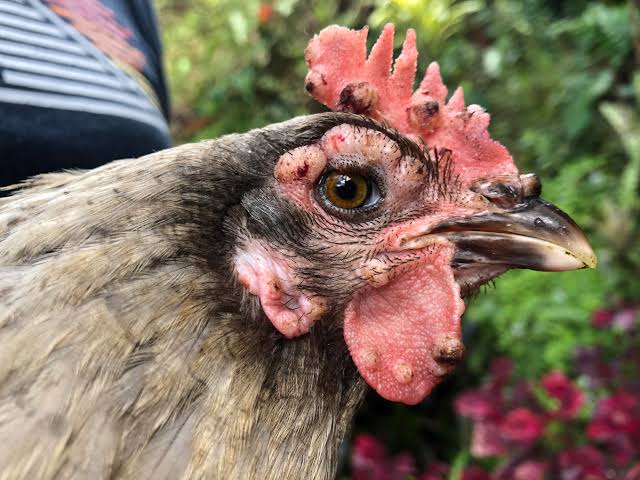
Your chicken has pox (fowl pox) on its face — a common viral disease in poultry that young farmers need to recognize and manage well.
What is Fowl Pox?
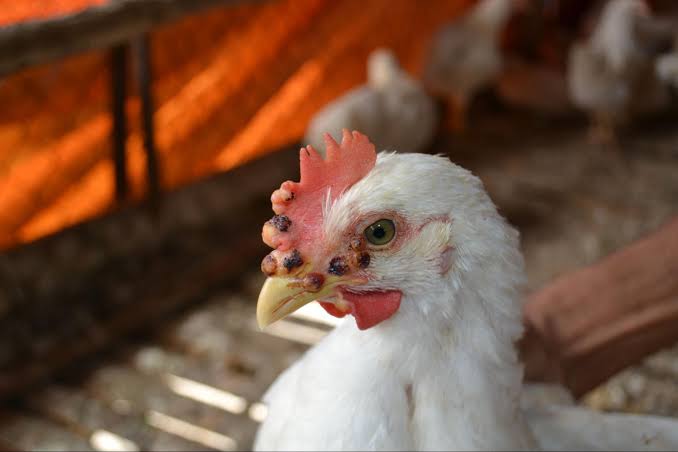
Fowl pox (also called avian pox) is a viral infection caused by an avipoxvirus. It mainly affects chickens and turkeys but can hit other birds too. It is not related to human chickenpox and does not spread to people.
The disease appears in two main forms:
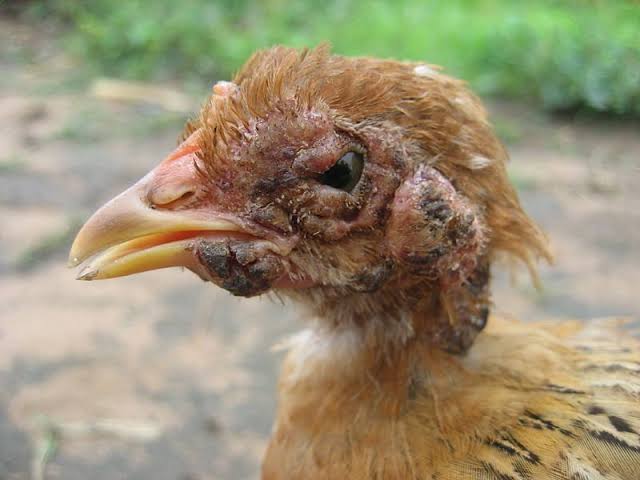
- Dry (cutaneous) pox — the most common form. It causes raised, wart-like bumps or scabs on unfeathered skin, especially the comb, wattles, face, eyelids, and sometimes legs or feet. Lesions start as small pale or yellowish spots, enlarge, and turn into thick dark scabs that eventually fall off (usually in 2–4 weeks).
- Wet (diphtheritic) pox — more serious. It produces yellowish, cheesy plaques or membranes inside the mouth, throat, or upper airways. This can make eating, drinking, or breathing difficult and carries a higher risk of death.
A bird can sometimes show both forms at once. Mortality is usually low (1–5%) with dry pox but can be higher with wet pox or secondary infections.
How It Spreads
The virus spreads mainly through:
- Mosquito bites (a major carrier in warm or wet seasons)
- Direct contact with infected birds
- Scratches, pecking wounds, or contact with dried scabs and debris
- Contaminated surfaces, feeders, or equipment
It spreads slowly through a flock, which gives you time to act, but once present it can linger.
Signs to Watch For
- Scabs, raised bumps, or dark crusts on the face, comb, or wattles
- Swollen or crusted eyelids (sometimes closing one or both eyes)
- Reduced appetite, weight loss, or drop in egg production
- In wet pox: difficulty swallowing, open-mouth breathing, gasping, or yellow plaques visible in the mouth
Young birds may grow more slowly. Always check the whole flock daily once you spot the first case.
What to Do If Your Chickens Have It
There is no specific antiviral cure. The virus must run its course. Focus on supportive care:
- Isolate visibly affected birds if practical. This reduces pecking of lesions and competition for food.
- Keep lesions clean and dry. Gently apply a mild antiseptic such as diluted iodine or saline. Do not pick or force scabs off — they contain virus and removing them risks secondary infection.
- Make eating and drinking easy. Offer soft, moist feed (wet mash) and keep water within easy reach. Birds with facial or mouth lesions may eat less.
- Support overall health. Reduce stress, maintain good nutrition, and consider vitamin supplements if advised by a vet. Antibiotics may be needed only if secondary bacterial infection develops (vet guidance required).
- Monitor closely for breathing difficulty or inability to eat/drink — these need prompt veterinary attention.
Most dry-pox cases recover in a few weeks. The whole flock may take longer because the disease spreads gradually.
Prevention — The Best Strategy for Young Farmers
Prevention is far better (and cheaper) than dealing with an outbreak:
- Vaccination: Highly effective where fowl pox is common. Live vaccines (fowl pox or pigeon pox strains) are usually given by the wing-web method around 8–16 weeks of age (or as directed by your local vet/extension service). Check for a “take” (small swelling or scab) 7–10 days later to confirm it worked. Vaccinate only healthy birds.
- Mosquito control: Empty standing water, clean gutters, screen coops, and avoid housing birds near ponds or marshy areas.
- Biosecurity: Quarantine new birds for at least 3–4 weeks. Disinfect equipment and footwear. Limit wild-bird contact.
- Good management: Keep coops clean and dry, reduce fighting injuries, and monitor flock health regularly.
Key Advice for Young Poultry Farmers
Learn to tell fowl pox apart from simple pecking injuries or other skin problems (mites, fungal infections). When in doubt, consult a poultry veterinarian or local agricultural extension service — early accurate diagnosis saves birds and money. Keep records of outbreaks, vaccination dates, and mosquito seasons in your area. Healthy birds, good biosecurity, and timely vaccination build resilient flocks.
Fowl pox is manageable. With careful observation, isolation when needed, supportive care, and strong prevention habits, you can protect your birds and grow into a skilled, responsible poultry farmer.
Leave a Reply