
Starting a poultry farm successfully begins with giving your day-old chicks the right drugs, vaccines, and feed. Proper early care helps prevent diseases, boosts immunity, and ensures your chicks grow into healthy and productive birds. In this guide, we’ll educate poultry farmers on the essential things to give day-old chicks from day one for healthy growth.
1. What to Do Immediately You Receive Day-Old Chicks
When your chicks arrive from the hatchery:
- Provide warmth immediately: Maintain brooding temperature between 32°C – 35°C for the first week.
- Give clean water with glucose and vitamins: Add glucose and multivitamins (like Vitalyte or Chick-Vita) to their first drink to reduce transport stress.
- Avoid feeding immediately: Wait 1–2 hours before giving feed, allowing chicks to rehydrate.

2. Essential Drugs and Supplements for Day-Old Chicks
Giving chicks preventive medications from day one keeps them strong and disease-free. Here’s a day-by-day guide:
Day 1–3: Glucose + Multivitamins
- Purpose: Energy boost and stress relief.
- Examples: Vitalyte, Chick-Vita, or Glucon-D.
- Dosage: 5g per litre of clean drinking water.
Day 4–6: Antibiotics (Preventive)
- Purpose: To prevent bacterial infections like Salmonella and E. coli.
- Examples: Antibac, Neomycin, or Oxytetracycline.
- Dosage: As prescribed on the product label (usually 1g per litre of water).
Day 7–9: Multivitamins + Immune Booster
- Purpose: Strengthens immunity before vaccination.
- Examples: Vitalyte, Aminovit, or Stress Pack.
Day 10–12: Coccidiosis Preventive Drug
- Purpose: Prevents deadly coccidiosis infection.
- Examples: Amprolium, Embazin, or Cocci-pro.
- Dosage: 1g per litre for 3 days.
Day 13–14: Rest with Clean Water Only
Allow the chicks’ systems to recover with just clean, fresh water.

3. Vaccination Schedule for Day-Old Chicks
Vaccines are vital to protect your chicks from viral diseases. Follow this basic vaccination schedule:
| Age (Days) | Vaccine | Disease Prevented | Method |
|---|---|---|---|
| 1 | Marek’s Vaccine | Marek’s Disease | At hatchery |
| 7 | Newcastle (Lasota) | Newcastle Disease | Eye drop/drinking water |
| 14 | Gumboro | Infectious Bursal Disease | Drinking water |
| 21 | Lasota (Booster) | Newcastle Disease | Eye drop/drinking water |
| 28 | Fowl Pox | Fowl Pox | Wing stab |
4. Feeding Guide for Day-Old Chicks
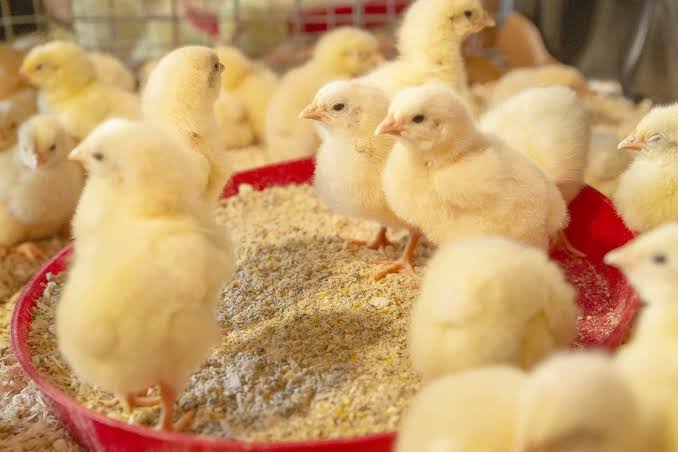
Proper feed ensures fast and healthy growth. Always use quality feed from a reputable brand.
Starter Feed (Day 1–4 Weeks):
- Use chick starter mash with 20–24% crude protein.
- Feed small portions regularly — chicks eat about 25–30g per day.
- Always provide clean, fresh water.
Feed Additives:
- Probiotics: Promote digestion (e.g., Biovet, Probio).
- Grit: Helps digestion of feed.
- Vitamins: Boost growth and immunity.
5. Hygiene and Management Tips
- Keep the brooder clean and dry always.
- Change water daily and wash drinkers and feeders.
- Maintain proper ventilation and avoid overcrowding.
- Dispose of dead chicks immediately to prevent spread of infection.
Final Advice for Poultry Farmers
Raising day-old chicks successfully depends on proper management, balanced feeding, and preventive medication. Always buy drugs and feed from trusted agricultural suppliers. If unsure, consult a veterinarian before using any medication.
By following these simple poultry care steps, you’ll reduce chick mortality, boost growth, and set the foundation for a profitable poultry business.