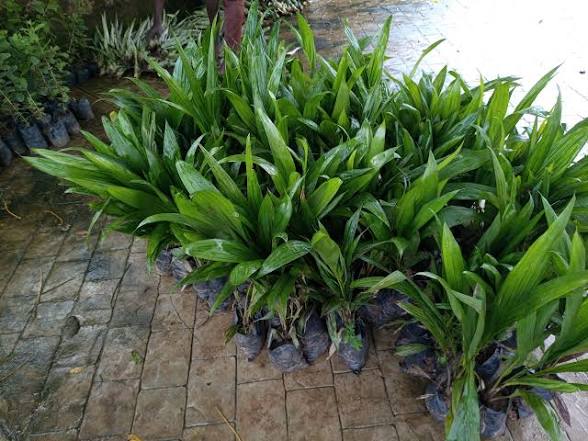
Where to Buy Genuine Oil Palm Seedlings in Nigeria: Trusted Sources, What to Check Before Paying, and How to Avoid Fake Seedlings
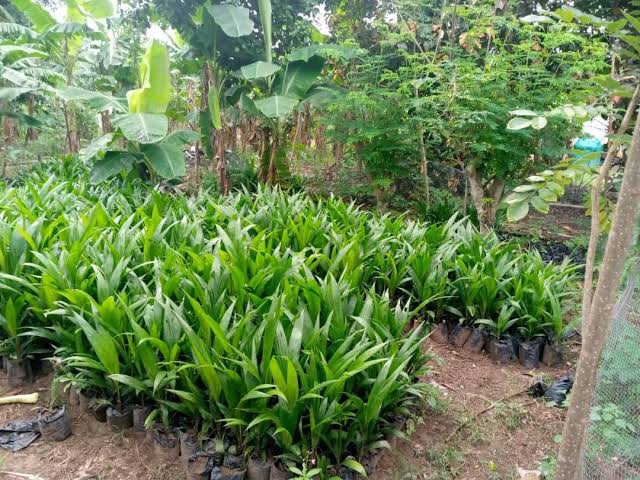
Starting an oil palm plantation is a long-term investment. One of the most important decisions a young farmer will make is where to buy the planting materials.
A farmer can spend years clearing land, preparing the soil, maintaining the plantation and applying fertilizer, only to discover later that the palms came from poor-quality or unimproved planting material. This is why buying genuine oil palm seedlings should be treated as seriously as buying land.
For farmers in Nigeria, one of the strongest places to start is the Nigerian Institute for Oil Palm Research (NIFOR) in Benin City, Edo State. NIFOR produces improved Tenera planting material and has a nursery division where oil palm seedlets and seedlings are raised.
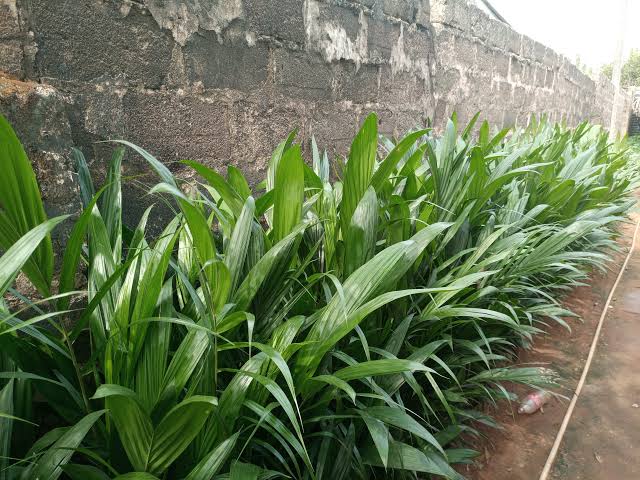
Why Genuine Oil Palm Seedlings Matter
Oil palm is not a crop where you should simply collect any palm seed and plant it.
The genetic quality of the planting material has a major influence on the eventual performance of the plantation.
Improved planting materials can provide advantages such as:
- Better yield potential
- More productive bunches
- Earlier commercial production
- More uniform growth
- Better suitability for commercial plantations
- Better use of land and farm inputs
NIFOR explains that its improved Tenera material comes from the Dura × Pisifera cross. Tenera is the improved hybrid commonly used for commercial oil palm production.
This is important because not every palm seedling sold as “hybrid,” “Tenera,” “improved” or “high-yielding” is necessarily genuine.
1. NIFOR — One of the Best Places to Start
The Nigerian Institute for Oil Palm Research (NIFOR) is a Federal Government research institute located in Benin City, Edo State.
For a new farmer who wants to reduce the risk of purchasing questionable planting materials, buying directly from NIFOR is one of the options worth considering.
NIFOR has a Seed Production Division where improved Tenera oil palm seeds are produced and a Nursery Division where oil palm seedlets and seedlings are raised for farmers and other buyers.
NIFOR states that it has the capacity to produce millions of fresh Tenera hybrid planting materials annually.
Farmers can contact NIFOR directly to ask about current availability, prices, ordering procedures and collection arrangements.
NIFOR’s official website is:
Before making any payment, always confirm the current payment details and ordering instructions directly with NIFOR.
2. State Ministry of Agriculture and Agricultural Extension Services
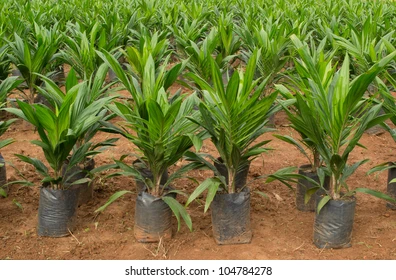
Another place a young farmer should investigate is the State Ministry of Agriculture or the agricultural development/extension service in their state.
This is particularly useful for farmers who live far away from Benin City.
NIFOR recommends government agricultural agencies such as the Tree Crop Units of State Ministries of Agriculture when farmers need information about nursery operators.
Instead of randomly searching Facebook, WhatsApp or roadside nurseries, visit or contact the agricultural extension office in your state and ask:
“Where can I obtain improved and verified oil palm seedlings in this state?”
Ask whether they know established nurseries that obtain planting materials from recognized sources.
3. Established Private Oil Palm Nurseries
Private nurseries can also be useful, particularly for farmers who need hundreds or thousands of seedlings.
However, do not assume that a private nursery is genuine simply because it uses the word “NIFOR” in its advertisement.
Some private nurseries raise seedlings from improved sprouted seeds, but you should verify the source of their seeds.
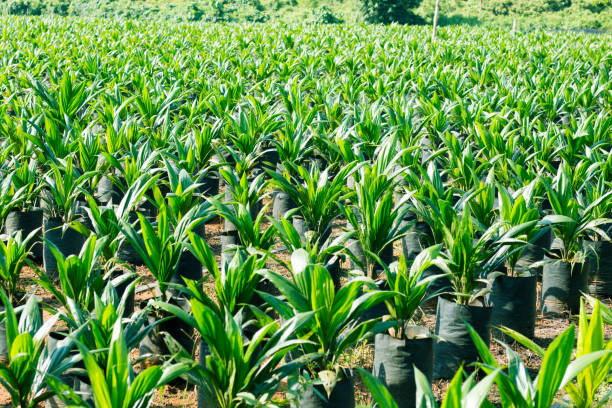
A reputable nursery should be able to explain:
- Where the seeds came from
- What variety they are
- When the seeds were received
- When the seedlings were planted
- How old the seedlings are
- How they were managed
- Whether you can physically inspect the nursery
- What documentation or purchase evidence supports the seed source
If a seller says their seedlings came from NIFOR, ask for evidence rather than relying only on the claim.
4. NIFOR-Linked or Recommended Nursery Networks
Buying directly from NIFOR is not always practical for every farmer.
Nigeria needs nurseries closer to farmers because oil palm seedlings are living plants and transportation can become expensive and stressful.
There have been agricultural programmes designed to improve the distribution of improved oil palm planting materials through private nursery operators and agro-dealers.
Therefore, another strategy is to find an established nursery with a verifiable relationship with a recognized seed producer.
But remember:
“NIFOR seedlings” is a claim that should be verified, not simply believed.
What You Should Check Before Paying for Oil Palm Seedlings
This is one of the most important parts of the buying process.
1. Ask for the Exact Planting Material
Do not simply ask:
“Do you sell palm seedlings?”
Ask:
“What planting material is this, and what is the source of the seed?”
If the seller says it is Tenera, ask how the seller can substantiate that claim.
2. Ask Where the Seeds Came From
A reputable seller should be able to explain the origin of the planting material.
Ask:
“Were these seedlings raised from sprouted seeds obtained from NIFOR or another recognized seed producer?”
Then ask for evidence where applicable.
Do not accept only:
“My brother, don’t worry. It’s original.”
You are establishing a plantation that may occupy several hectares. Verification is more important than verbal assurance.
3. Be Careful With “Supergene”
Young farmers should be particularly careful with marketing terms such as:
- Supergene
- Malaysian Supergene
- Dwarf Supergene
- F1 hybrid
- High-yielding hybrid
- Miracle palm
- Early-fruiting palm
NIFOR’s FAQ specifically states that there is no NIFOR variety called “Supergene” and describes the term as a marketing term rather than a NIFOR product.
Therefore, do not buy simply because somebody tells you:
“This one is Supergene, so it must be better.”
Ask for the actual genetic identity and documented source.
4. Inspect the Nursery Yourself
If possible, visit the nursery before paying for a large order.
Look at the seedlings rather than only looking at photographs on WhatsApp.
A properly managed nursery should generally show:
- Healthy green leaves
- Strong growth
- Reasonably uniform seedlings
- No obvious serious pest damage
- No severe disease symptoms
- Proper nursery arrangement
- Adequate watering
- Good weed management
- Properly filled planting bags
- Healthy root development
Do not select seedlings merely because they are the biggest.
The biggest seedling is not automatically the best seedling.
5. Ask About Seedling Age
Seedling age matters.
Ask:
“How old are these seedlings?”
A reputable nursery should know approximately when the seedlings were established.
Avoid buying seedlings that have been left in nursery conditions excessively long without proper management.
The objective is to plant healthy, properly raised planting material at an appropriate stage rather than simply purchasing the largest palm available.
6. Examine the Leaves
When inspecting seedlings, look for plants with:
- Healthy-looking foliage
- Good colour
- Active growth
- No major leaf destruction
- No severe pest attack
- No obvious disease symptoms
- Good overall vigour
Be cautious about seedlings showing severe yellowing, extensive leaf damage, stunted growth or unusual deformities.
If you are buying thousands of seedlings, consider getting advice from an experienced oil palm agronomist or agricultural extension officer before accepting the entire batch.
7. Look at the Root System
Roots are extremely important.
A seedling may look attractive above the soil but have poor root development.
Check whether the nursery is using suitable bags and whether the seedlings have been properly managed.
Avoid plants that appear severely root-bound, badly damaged during removal or poorly established in their containers.
8. Check Uniformity
If you are buying 500, 1,000 or more seedlings, inspect the entire batch.
You want reasonably uniform, healthy planting material.
If some seedlings are strong and others are extremely weak, ask why.
Do not allow a seller to give you the best 20 seedlings for inspection and then deliver a completely different batch.
9. Count the Seedlings Before Final Payment
If you order 1,000 seedlings, make sure you receive the quantity agreed upon.
For large orders, document:
- Number ordered
- Number delivered
- Price per seedling
- Total cost
- Transportation cost
- Delivery date
- Nursery/source
- Variety or planting-material description
Keep your receipts and payment evidence.
10. Do Not Pay Into a Personal Account Without Verification
This is one of the biggest precautions for farmers buying online.
If somebody claims to represent an institution or nursery, verify the identity first.
For institutional purchases, use the payment procedure given by the institution itself.
Be especially careful when someone tells you:
“Pay now because the seedlings will finish today.”
Pressure to pay immediately is a warning sign.
How to Detect a Potentially Fake Seedling Seller
Be careful if the seller:
- Refuses to disclose the seed source
- Cannot tell you the approximate age of the seedlings
- Claims to have a “secret” variety
- Uses only WhatsApp photographs
- Refuses nursery inspection
- Says “NIFOR” but cannot explain how the seedlings originated from NIFOR
- Promises unbelievable yields
- Claims every seedling will produce heavily regardless of soil, climate and management
- Demands urgent payment before allowing verification
- Has no receipt or written transaction details
- Offers a price dramatically below established suppliers without a reasonable explanation
Do Not Choose Seedlings Based Only on Price
Young farmers often make one major mistake: they choose the cheapest seedlings.
Suppose Farmer A buys seedlings at a lower price while Farmer B buys verified planting material at a higher price.
If Farmer A ends up with poor-quality planting material, the money saved during planting could become insignificant compared with years of lost production.
Oil palm is a long-term investment.
The cost of planting material is only one part of the total plantation investment.
Think about:
Land + clearing + lining + holing + seedlings + transportation + planting + weeding + fertilizer + pest management + labour + harvesting.
Saving a little money on seedlings should never be the reason you accept questionable planting material.
How Many Seedlings Do You Need Per Hectare?
Planting density depends on the recommended spacing and management system.
A commonly used oil palm arrangement is around 143 palms per hectare using approximately 9-metre triangular spacing.
However, farmers should confirm the appropriate spacing for their variety, terrain and production system with a qualified agronomist or extension officer.
For example:
1 hectare — approximately 143 seedlings
2 hectares — approximately 286 seedlings
5 hectares — approximately 715 seedlings
10 hectares — approximately 1,430 seedlings
It is also wise to plan for a small number of replacement seedlings where appropriate rather than assuming every transplanted seedling will survive.
Should a Young Farmer Buy Seedlings or Sprouted Seeds?
There are two major approaches.
Option 1: Buy Ready-to-Plant Seedlings
This is usually simpler for a beginner.
You purchase nursery-raised seedlings and transplant them to the field at the appropriate stage.
Advantages include:
- Less nursery work
- Faster establishment
- Easier for beginners
- You can inspect the seedlings before purchasing
- You do not have to manage the early nursery stage yourself
Disadvantages include:
- Higher cost than starting from seed
- Transportation can be expensive
- Poor handling during transport can damage seedlings
Option 2: Buy Genuine Sprouted Seeds and Raise Your Own Nursery
This can be useful for farmers establishing large plantations or farmers who have the knowledge and facilities to manage a nursery.
NIFOR sells sprouted oil palm seeds and also operates a nursery division for seedlets and seedlings.
However, raising your own seedlings is not automatically easier or cheaper.
You need:
- Suitable nursery site
- Polybags
- Good soil or nursery media
- Reliable water
- Proper nursery management
- Weed control
- Pest and disease monitoring
- Labour
- Proper transplanting procedures
- Knowledge of nursery management
A poorly managed nursery can waste good genetic material.
What About Buying From Roadside Sellers?
A roadside seller may actually have healthy seedlings, but the location of the seller is not proof of quality.
Likewise, a beautiful nursery is not automatically proof that the genetic material is genuine.
The critical question is:
“Where did the planting material originate?”
This is why source verification is so important.
A Simple Buying Procedure for a New Farmer
Step 1 — Determine Your Farm Size
Know whether you need 100, 500, 1,000 or several thousand seedlings.
Step 2 — Identify Recognized Sources
Start with NIFOR, your State Ministry of Agriculture, agricultural extension services and established nurseries with verifiable seed sources.
Step 3 — Identify the Planting Material
Find out whether the material is Tenera or another clearly identified planting material.
Step 4 — Verify the Source
Ask for documentation, receipts or other evidence where applicable.
Step 5 — Visit the Nursery
Inspect the actual seedlings.
Step 6 — Inspect the Batch
Do not inspect only one seedling.
Step 7 — Agree on Quantity and Price
Put the agreement in writing.
Step 8 — Make Payment Through a Verified Channel
Avoid sending large sums to unverified individuals.
Step 9 — Arrange Careful Transportation
Seedlings should be handled carefully during loading and transportation.
Step 10 — Plant at the Appropriate Time
NIFOR’s FAQ currently recommends planting between April and the end of June, although the appropriate timing can depend on rainfall and local conditions.
Questions to Ask Any Oil Palm Seedling Seller
Before paying, ask these questions:
- What variety is this?
- Is it Tenera?
- Where did the seed come from?
- Who produced the sprouted seeds?
- When were the seedlings established?
- How old are they now?
- Can I inspect the nursery?
- Can I see the actual batch I am buying?
- Do you provide a receipt?
- What is the price per seedling?
- What quantity is available?
- How will the seedlings be transported?
- What happens if the delivered seedlings are different from the inspected batch?
- Can I speak with farmers who previously bought from you?
A serious seller should not be offended by reasonable questions.
Why NIFOR Should Be on Every Beginner’s Research List
NIFOR is not simply a commercial nursery. Its mandate includes research, breeding, seed production and nursery activities.
The Institute’s Seed Production Division produces improved Tenera oil palm seeds, while its Nursery Division raises seedlets and seedlings for farmers and other buyers.
That makes NIFOR a valuable reference point for farmers trying to understand genuine improved planting material.
It also means farmers should not blindly accept claims such as:
“This is NIFOR Supergene.”
Instead, verify the exact product and source with NIFOR.
Final Warning About “Guaranteed Yield”
Young farmers should be very careful with sellers who say:
“Each palm will produce X tonnes.”
or
“You will become a millionaire after three years.”
No legitimate planting material can guarantee a specific farm income by itself.
Yield depends on many factors, including:
- Genetic quality
- Soil
- Rainfall
- Planting density
- Weed management
- Fertilizer management
- Pest and disease control
- Farm maintenance
- Harvesting practices
- Age of the plantation
- Management quality
Production also changes as palms mature, so farmers should have realistic expectations about when commercial harvests will begin and how yields develop over the life of the plantation.
Final Advice to Young Nigerian Oil Palm Farmers
If you are establishing your first oil palm plantation, do not rush to buy seedlings because somebody offered you a cheap price.
Your first objective should be:
Genuine genetics → healthy nursery stock → proper field establishment → good management.
Start your search with recognized institutions such as NIFOR, your State Ministry of Agriculture and agricultural extension services, as well as reputable nurseries whose seed sources can actually be verified.
Most importantly, remember:
“A cheap seedling can become an expensive mistake when multiplied across hundreds or thousands of palms.”
Spend more time verifying the planting material before paying than you will spend negotiating the price.
A good plantation starts long before the first palm is planted. It starts with the quality and authenticity of the planting material you put into the ground.
Leave a Reply