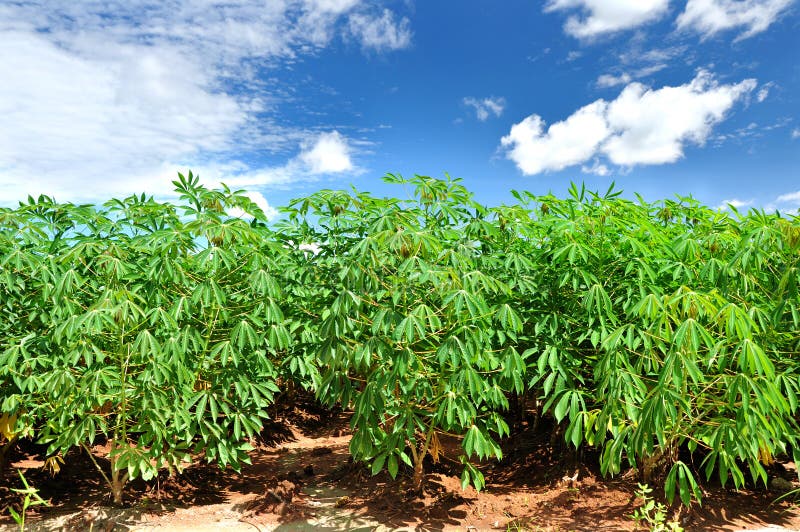

Cassava farming in Nigeria can be highly profitable, but to achieve good yields, farmers must understand one key fact — cassava needs nutrients to grow well. Without proper soil fertility and nutrient management, cassava roots will be small, the stems weak, and overall yield poor. This guide explains the essential nutrients cassava needs, why they matter, and how Nigerian farmers can apply them effectively for maximum productivity.
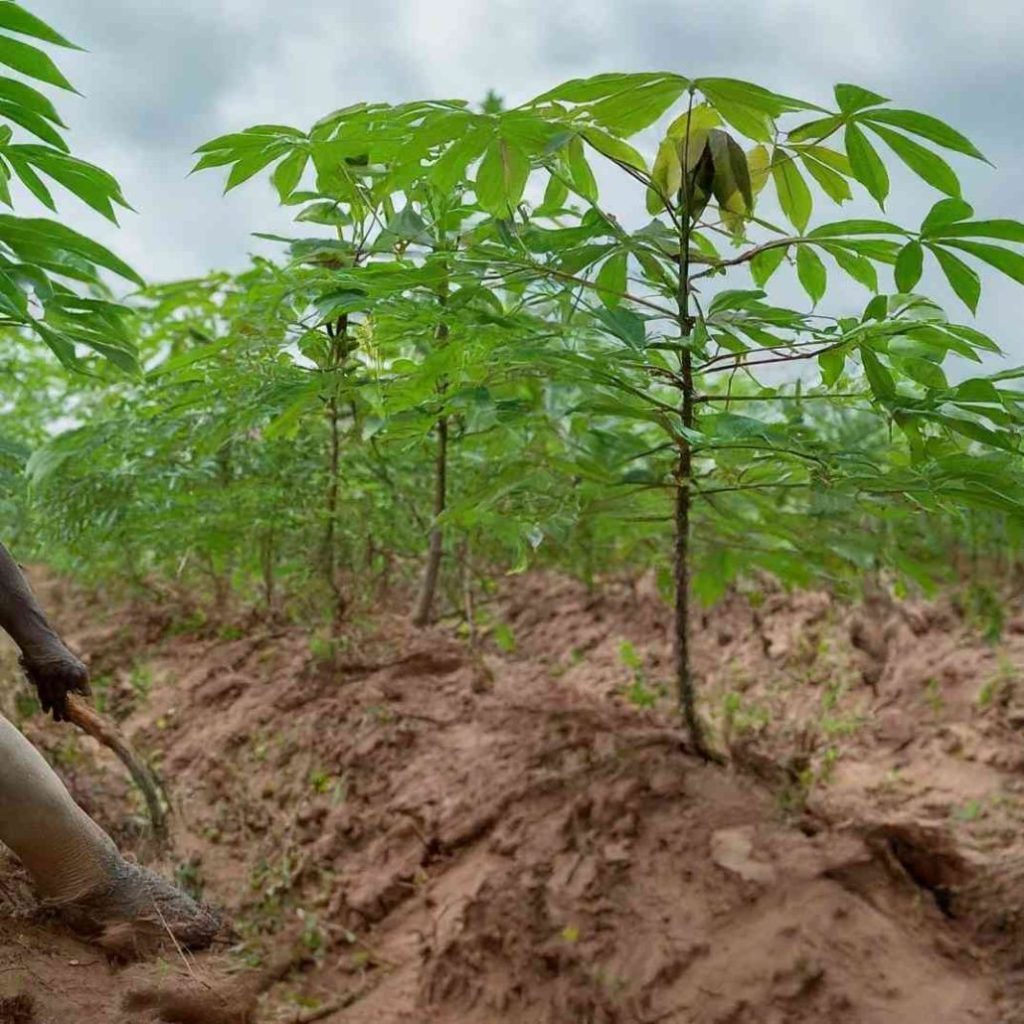
Why Cassava Needs Nutrients to Grow Well
Cassava may look like a hardy crop that grows anywhere, but it still needs balanced nutrients to produce large, healthy tubers. Nutrients help the crop develop strong roots, healthy leaves, and thick stems. When cassava lacks key nutrients, it turns yellow, grows slowly, and produces fewer and smaller tubers — directly affecting your profit.
Major Nutrients Needed for Cassava Growth
- Nitrogen (N)
- Importance: Promotes leaf growth and green coloration.
- Deficiency Signs: Yellow leaves and slow growth.
- Sources: Urea, NPK 15-15-15 fertilizer, or organic manure.
- Phosphorus (P)
- Importance: Encourages root and tuber development.
- Deficiency Signs: Stunted root growth and purplish leaves.
- Sources: Single super phosphate (SSP) or NPK fertilizer.
- Potassium (K)
- Importance: Enhances tuber size, starch content, and disease resistance.
- Deficiency Signs: Brown edges on leaves and poor tuber quality.
- Sources: Muriate of potash (MOP) or NPK 15-15-15.
- Calcium (Ca) and Magnesium (Mg)
- Importance: Support root development and photosynthesis.
- Sources: Dolomitic limestone or gypsum.
- Micronutrients (Zinc, Iron, Manganese, Boron)
- Importance: Improve plant health and yield quality.
- Sources: Apply foliar sprays or trace mineral fertilizers.
Best Fertilizer Practices for Cassava Farmers in Nigeria
- Soil Testing: Before planting, test your soil to know what nutrients it lacks.
- Organic Matter: Apply compost or animal manure to improve soil structure and fertility.
- Chemical Fertilizers: Use NPK 15-15-15 at 8 weeks after planting, followed by NPK 12-12-17 or MOP at 4 months for better tuber bulking.
- Weed Control: Weeds compete for nutrients, so weed regularly.
- Crop Rotation: Rotate cassava with legumes (like soybeans or groundnuts) to replenish nitrogen naturally.
Common Mistakes Young Cassava Farmers Make
- Ignoring soil tests before planting.
- Applying fertilizer too late or in excess.
- Using only one type of fertilizer every season.
- Neglecting organic manure or compost.
Expert Tips for High Cassava Yield in Nigeria
- Plant improved cassava varieties (like TMS 419, TME 7, or NR 8082).
- Space cassava properly (1m x 1m) for good nutrient access.
- Combine organic and inorganic fertilizers for sustainable yield.
- Apply fertilizer around the base of the plant, not directly on the stem.
Conclusion
Cassava farming success depends largely on nutrient management. To get high yields and healthy roots, young cassava farmers in Nigeria must feed their soil with the right nutrients at the right time. Remember: Healthy soil = healthy cassava = better profit.


