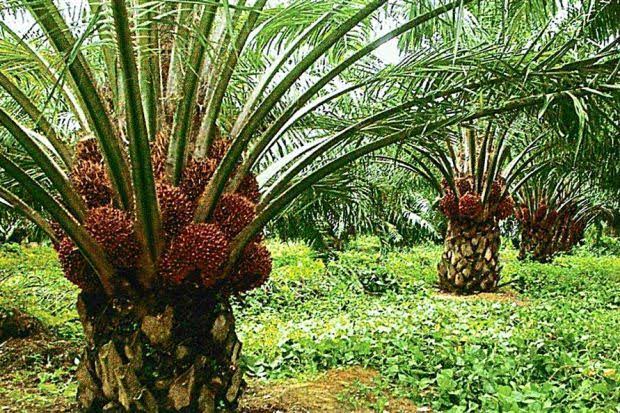
Why Oil Palm Is One of Nigeria’s Most Profitable Crops for Farmers
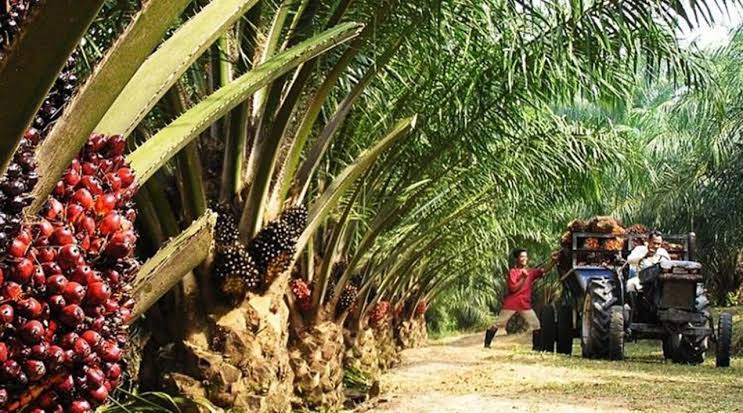
Oil palm farming is one of the most rewarding agricultural businesses in Nigeria. With increasing demand for palm oil, palm kernel oil, and other palm products, many farmers are discovering that oil palm plantations can provide a reliable source of income for decades.
Unlike many annual crops that must be replanted every year, oil palm is a perennial crop. Once established, it can continue producing fruit for 25–30 years with proper management. This makes it an excellent long-term investment for young farmers and anyone looking to build sustainable wealth through agriculture.
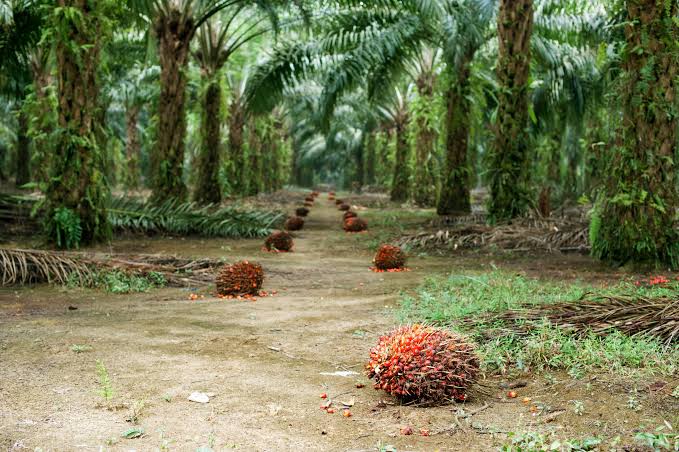
Why Oil Palm Farming Is Profitable
1. Constant Demand for Palm Oil
Palm oil is one of the most widely consumed vegetable oils in Nigeria. It is used daily in homes and by industries for:
- Cooking
- Soap production
- Cosmetics
- Pharmaceuticals
- Processed foods
- Animal feed
Because of this constant demand, farmers rarely struggle to find buyers for their produce.
2. Multiple Sources of Income
Oil palm provides more than just palm oil. Farmers can earn money from several products, including:
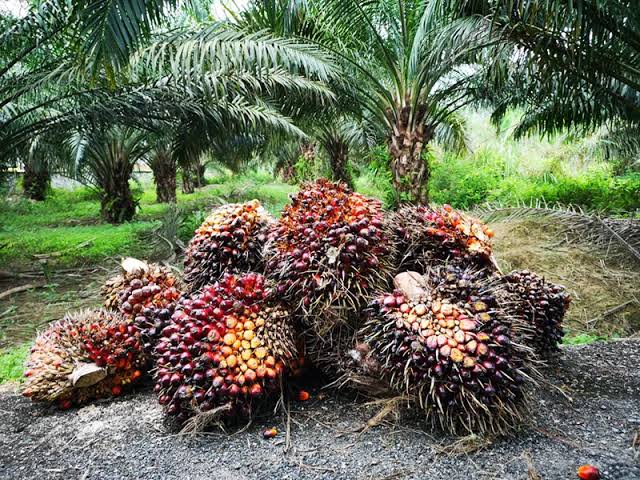
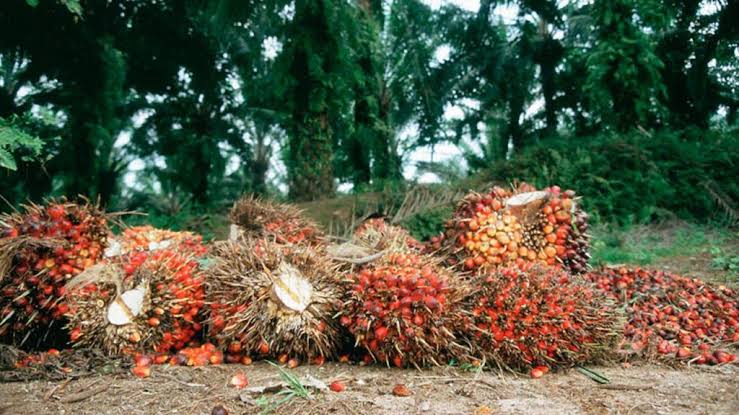
- Fresh Fruit Bunches (FFB)
- Crude Palm Oil (CPO)
- Palm Kernel
- Palm Kernel Oil
- Palm Kernel Cake
- Palm Wine (from old trees)
- Palm Fronds
- Empty Fruit Bunches used as organic fertilizer
- Palm Fibre used as fuel
Having multiple products increases profitability and reduces financial risk.
3. Long Productive Life
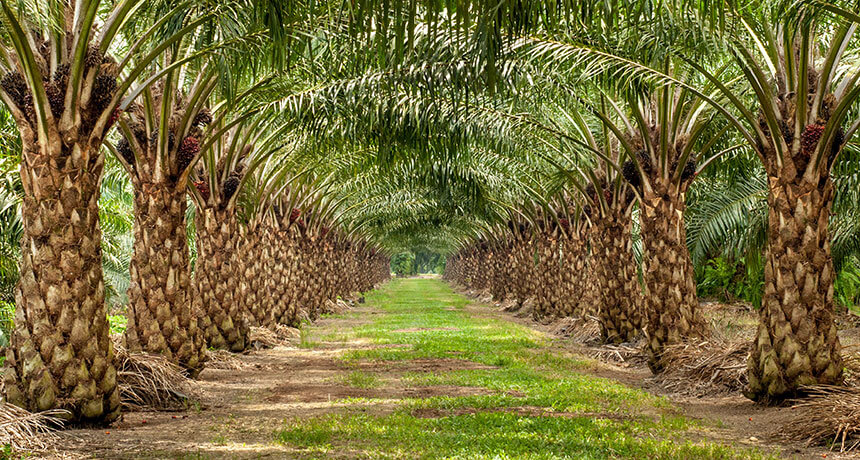
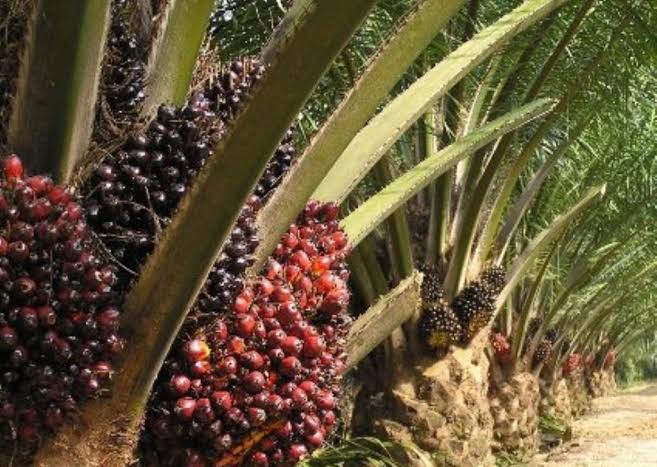
A well-managed oil palm plantation starts producing fruit about 3–4 years after planting.
Peak production occurs between 8 and 18 years, and the trees can remain productive for 25–30 years.
This means one investment can continue generating income for decades.
4. High Yield Per Hectare
Oil palm is among the highest-yielding oil crops in the world.
One hectare can contain about 140–160 palm trees depending on spacing.
Under good management, each mature tree can produce several bunches every year, leading to high annual harvests.
5. Year-Round Harvesting
Unlike seasonal crops, oil palm produces fruit throughout the year.
Although production may increase during certain seasons, farmers can harvest regularly, providing a more stable income.
6. Nigeria Has a Ready Market
Nigeria remains one of Africa’s largest consumers of palm oil.
Demand comes from:
- Households
- Food processors
- Soap manufacturers
- Cosmetic companies
- Restaurants
- Export buyers
Because local production still falls short of national demand, there is a large market for quality palm oil.
7. Growing Export Opportunities
Palm oil and palm kernel products are exported to many countries.
Farmers who produce high-quality products can supply exporters or processing companies, opening opportunities to earn foreign exchange.
8. Value Addition Increases Profit
Instead of selling only fresh fruit bunches, farmers can process them into:
- Palm oil
- Palm kernel
- Palm kernel oil
- Animal feed ingredients
Processing adds value and significantly increases profit margins.
9. Low Replanting Cost
Unlike maize, rice, or vegetables that require planting every season, oil palm is planted once and harvested for many years.
This reduces annual planting costs.
10. Land Value Appreciates
An established oil palm plantation is considered a valuable agricultural asset.
As the plantation matures, both the land and the income-generating potential often become more valuable.
How Young Farmers Can Succeed in Oil Palm Farming
Success starts with careful planning.
Choose Improved Seedlings
Always buy certified, high-yielding seedlings from reputable nurseries or agricultural research institutes.
Avoid buying unknown seedlings from roadside sellers.
Select Good Land
Oil palm grows best on:
- Deep, fertile soils
- Well-drained land
- Areas with good rainfall
- Slightly acidic soils
Avoid waterlogged or rocky land.
Prepare the Land Properly
Good land preparation includes:
- Clearing unwanted vegetation
- Proper field layout
- Pegging
- Digging planting holes
- Applying organic manure where necessary
Proper preparation encourages healthy root development.
Maintain Correct Spacing
Recommended spacing is usually about 9 metres × 9 metres in a triangular arrangement.
Correct spacing allows adequate sunlight, airflow, and efficient nutrient use.
Apply Fertilizer
Oil palm requires nutrients such as:
- Nitrogen
- Phosphorus
- Potassium
- Magnesium
Soil testing helps determine the right fertilizer program.
Weed Regularly
Weeds compete with young palms for water and nutrients.
Regular weeding improves growth and reduces pest habitats.
Control Pests and Diseases
Common problems include:
- Rhinoceros beetles
- Leaf-eating caterpillars
- Rodents
- Fungal diseases
Early monitoring and proper control measures help prevent major losses.
Harvest at the Right Time
Harvest ripe fruit bunches promptly.
Delayed harvesting reduces oil quality and may lead to fruit loss.
Challenges of Oil Palm Farming
Like every business, oil palm farming has challenges.
These include:
- High initial establishment costs
- Waiting 3–4 years before significant production
- Pest and disease management
- Labour shortages during peak harvest
- Fluctuating market prices
- Poor rural roads affecting transportation
Despite these challenges, good planning and management can make the business highly profitable.
Tips to Maximize Profit
- Plant improved hybrid seedlings.
- Keep accurate farm records.
- Join farmer cooperatives.
- Process fruits into palm oil instead of selling fresh bunches where feasible.
- Apply fertilizers based on soil needs.
- Harvest regularly.
- Invest in irrigation if farming in drier areas.
- Learn modern plantation management techniques.
- Build relationships with reliable buyers and processors.
Is Oil Palm Farming Worth It?
Yes. Oil palm remains one of the most profitable agricultural investments in Nigeria because it combines long-term production, multiple income streams, and strong market demand.
Although it requires patience during the early years, farmers who manage their plantations well can earn consistent income for decades. For young people seeking a sustainable agribusiness, oil palm farming offers an opportunity to build wealth while contributing to Nigeria’s food security and agricultural economy.
Conclusion
Oil palm farming is more than planting trees—it is a long-term business capable of generating income for generations. With improved seedlings, proper farm management, regular maintenance, and value addition through processing, farmers can significantly increase their profits.
As Nigeria continues to experience strong demand for palm oil and related products, now is an excellent time for young farmers to invest in oil palm cultivation. Success comes from patience, good management, and a commitment to continuous learning.
Leave a Reply