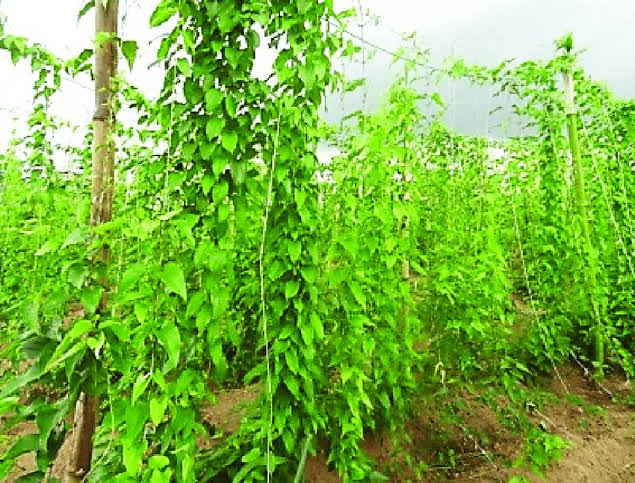

Staking your yam is one of the most important practices that determines the success of your yam farming. For young farmers in Nigeria, understanding the importance of staking and how to do it properly can make a big difference in yield and tuber quality. In this article, you’ll learn why staking is essential, when to do it, and the best materials to use—all based on practical farming experience and good agricultural practices.
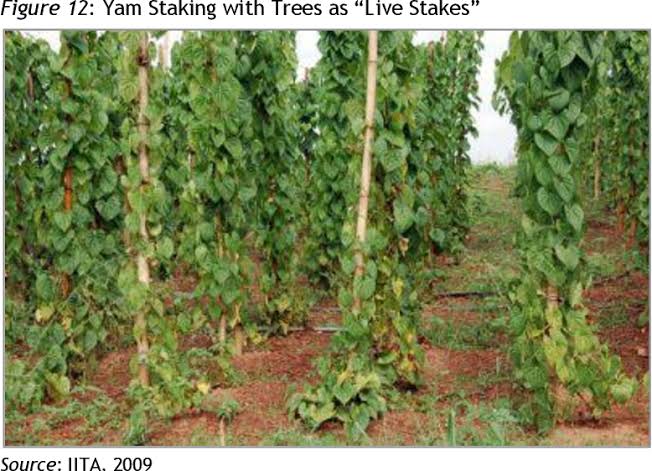
What Is Staking in Yam Farming?
Staking is the process of providing physical support for yam vines by using sticks or poles. Since yam plants produce long, climbing vines, they need something to grow on to ensure good sunlight exposure, proper air circulation, and healthy tuber development underground.
Why Staking Your Yam Is Important
- Improves Sunlight Exposure
When yam vines are lifted off the ground, they receive more sunlight, which enhances photosynthesis. This helps the plant produce more energy to grow larger and healthier tubers. - Prevents Rot and Disease
Without staking, yam vines spread on the ground and are easily attacked by pests, fungal infections, or rot caused by moisture. Staking helps keep vines clean and healthy. - Promotes Air Circulation
Good air movement around the yam vines prevents the buildup of humidity, reducing the risk of leaf diseases and pest attacks. - Encourages Better Tuber Development
When vines are well supported, the plant channels more nutrients underground, which leads to bigger and better-quality yam tubers. - Makes Weeding Easier
Staked vines are easier to manage because they stay above the soil, allowing farmers to weed around the yam mounds without damaging the plants.
When to Stake Your Yams
Staking should be done 3–4 weeks after planting, when the yam vines start to sprout and grow longer. Delaying staking can cause the vines to twist or break, which affects plant growth and yield.
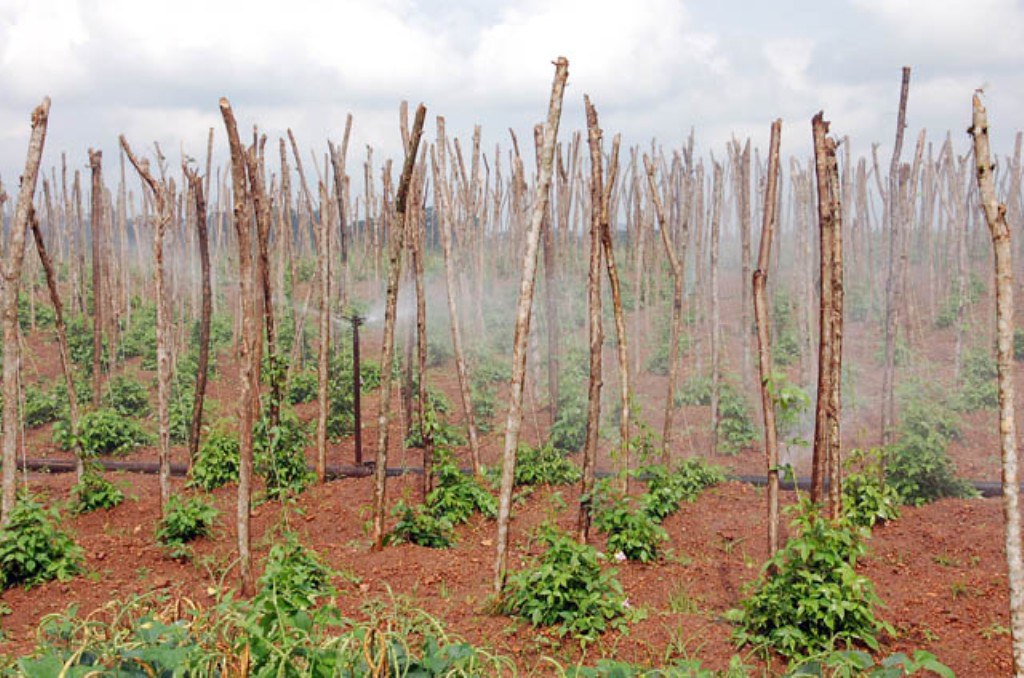
Best Materials for Staking Yams
- Strong wooden poles (e.g., bamboo, palm fronds, or strong tree branches)
- Dry sticks that can last through the farming season
- Metal or treated poles (optional, for long-term farming systems)
Choose materials that are tall (about 2–3 meters), strong, and resistant to termites or decay.
Proper Staking Techniques
- Insert each stake close to the base of the yam mound.
- Tie the vine gently to the stake using soft rope or natural fiber.
- Avoid damaging the vine when tying—it should be firm but not tight.
- Check regularly to ensure the vines are climbing properly.
Common Mistakes to Avoid
- Late staking – vines may break or tangle.
- Weak stakes – they may fall during heavy rain or wind.
- Overcrowding stakes – limits air flow and sunlight.
Conclusion
Staking is a simple but powerful practice that can increase your yam yield and improve the quality of your harvest. As a young yam farmer in Nigeria, investing time in proper staking can reward you with healthier plants, bigger tubers, and higher income. Remember: a well-staked yam farm is a productive yam farm.