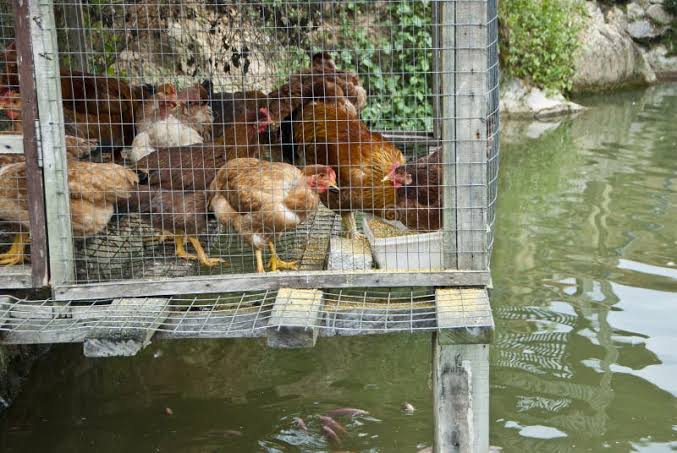
Best Way to Combine Catfish Farming and Poultry Farming in Nigeria
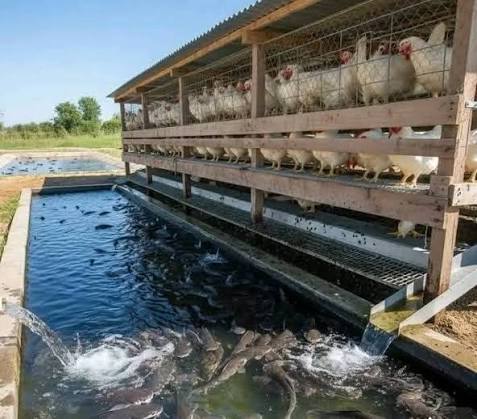
Catfish farming and poultry farming are two of the most profitable agricultural businesses in Nigeria. Many successful farmers combine both enterprises because they complement each other, reduce waste, lower production costs, and create multiple sources of income.
For young farmers, integrating catfish and poultry farming is a smart way to maximize available land, improve farm efficiency, and increase profits throughout the year. However, success requires good planning, proper management, and strict biosecurity.
Why Combine Catfish and Poultry Farming?
Running both businesses on the same farm offers several advantages:
- Multiple sources of income.
- Better use of available land.
- Reduced production costs.
- Efficient waste management.
- Faster return on investment.
- Year-round cash flow.
- Better use of farm labour and equipment.
If one enterprise performs poorly in a particular season, the other can help sustain the farm financially.
How the Two Farms Work Together
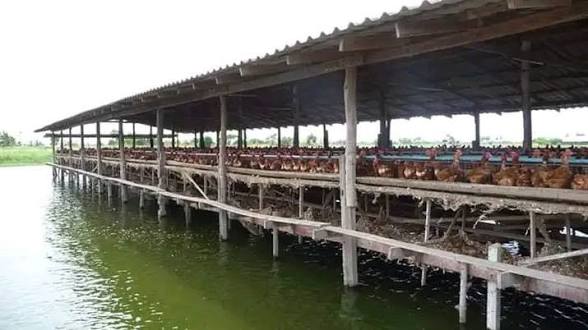
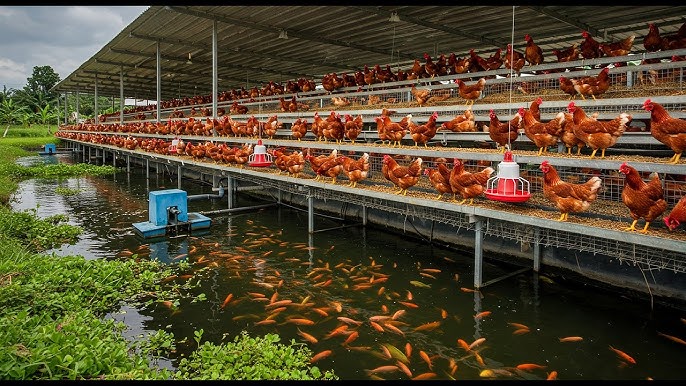
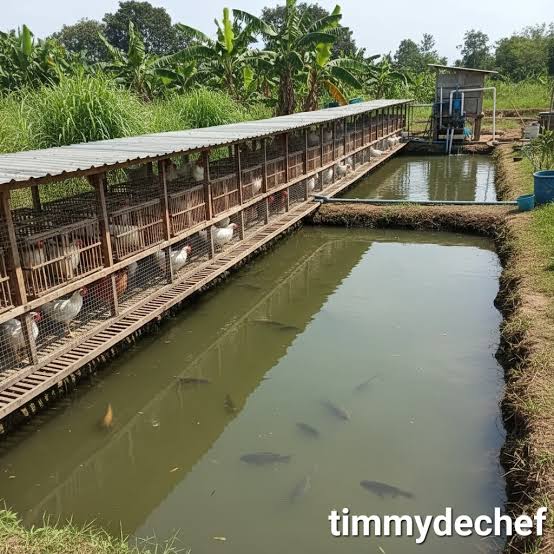
Although poultry and fish should never be housed together, they can support one another in several practical ways.
1. Poultry Manure Can Fertilize Fish Ponds
Properly composted poultry manure can be applied to earthen ponds in controlled quantities to stimulate the growth of natural fish food such as plankton. This can reduce feed costs in traditional pond systems.
Fresh poultry manure should not be added directly to ponds because excessive waste can reduce oxygen levels, pollute the water, and kill fish.
2. Farm Waste Can Be Recycled
Instead of throwing away poultry litter and other organic waste, farmers can compost suitable materials for crop production or pond fertilization, creating a more sustainable farming system.
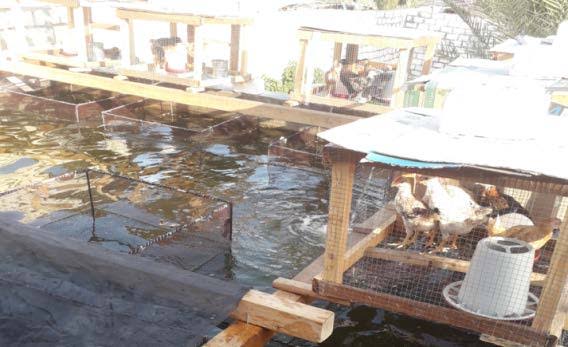
3. Shared Farm Infrastructure
Both enterprises can share:
- Borehole or water source.
- Storage rooms.
- Security.
- Farm workers.
- Electricity or solar power.
- Farm vehicles.
- Feed storage facilities.
Sharing infrastructure lowers operating costs.
Planning Your Farm
Before starting, develop a proper farm layout.
Separate the:
- Poultry houses.
- Fish ponds or tanks.
- Feed storage.
- Waste disposal area.
- Water supply system.
- Equipment room.
Maintain enough distance between the poultry houses and fish ponds to reduce disease risks and unpleasant odours.
Start Small
Young farmers should avoid starting with very large numbers.
For example:
- 300–500 broiler chickens or 200–300 layers.
- 500–1,000 catfish fingerlings.
Expand gradually as you gain experience and build your market.
Choose the Right Poultry Enterprise
You can combine catfish farming with:
Broiler Production
Broilers provide quick income within 6–8 weeks, making them suitable for farmers who want faster cash flow.
Layer Production
Layers generate daily income through egg sales and provide a steady revenue stream.
Choose the Right Catfish System
Popular systems include:
- Concrete tanks.
- Plastic tanks.
- Earthen ponds.
- Tarpaulin ponds.
- Fibre tanks.
Select the system that matches your budget, land availability, and water supply.
Water Management
Fish require clean, well-oxygenated water.
Good practices include:
- Regular water quality checks.
- Scheduled water changes where necessary.
- Preventing poultry waste from entering fish tanks.
- Maintaining proper drainage.
Never allow dirty runoff from poultry houses to flow directly into fish ponds.
Feeding Both Enterprises
Feed represents the highest production cost.
To reduce waste:
- Buy quality feed from reputable manufacturers.
- Store feed in dry, rodent-free conditions.
- Feed fish according to their growth stage.
- Feed poultry at the recommended times and quantities.
- Avoid overfeeding, which increases costs and pollutes fish water.
Biosecurity Is Essential
Strong biosecurity protects both poultry and fish.
Key measures include:
- Restrict unnecessary visitors.
- Disinfect equipment regularly.
- Clean poultry houses daily.
- Remove dead birds immediately.
- Quarantine new birds before introducing them to the flock.
- Keep predators and pests away.
- Use clean water for both enterprises.
Labour Management
Assign specific responsibilities to farm workers, such as:
- Feeding fish.
- Feeding poultry.
- Cleaning poultry houses.
- Monitoring water quality.
- Recording production.
- Checking for diseases.
Daily supervision helps identify problems early.
Record Keeping
Maintain records for:
- Feed purchases.
- Fish stocking.
- Bird purchases.
- Mortality.
- Medication.
- Vaccination.
- Water management.
- Egg production.
- Fish harvest.
- Sales.
- Expenses.
- Profit.
Accurate records help you make informed decisions and improve profitability.
Marketing Your Products
Before production begins, identify reliable buyers.
Potential customers include:
- Hotels.
- Restaurants.
- Fish processors.
- Frozen food shops.
- Local markets.
- Supermarkets.
- Schools.
- Event caterers.
- Individual households.
Selling directly to consumers often yields higher profits.
Common Mistakes to Avoid
Many beginners make avoidable mistakes, including:
- Starting too large.
- Buying poor-quality chicks or fingerlings.
- Using low-quality feed.
- Ignoring vaccination schedules.
- Overcrowding birds or fish.
- Poor sanitation.
- Mixing poultry waste directly into fish tanks.
- Keeping inadequate production records.
- Failing to secure buyers before harvest.
Benefits of Combining Catfish and Poultry Farming
When managed properly, an integrated farm can:
- Increase annual income.
- Spread financial risk.
- Improve resource utilization.
- Reduce waste.
- Create employment.
- Support food security.
- Produce both animal protein and eggs for the market.
- Improve long-term farm sustainability.
Final Thoughts
Combining catfish farming with poultry farming is one of the most practical and profitable integrated farming systems in Nigeria. With proper planning, strict biosecurity, good feeding practices, quality stock, and sound financial management, young farmers can build a sustainable business that generates income throughout the year.
Success does not come from keeping the largest number of birds or fish—it comes from managing them efficiently, maintaining healthy animals, controlling costs, and consistently producing quality products that meet market demand.
Leave a Reply