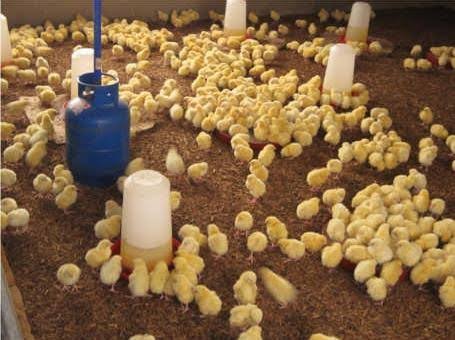
Common Mistakes Farmers Make When Raising Day-Old Chicks
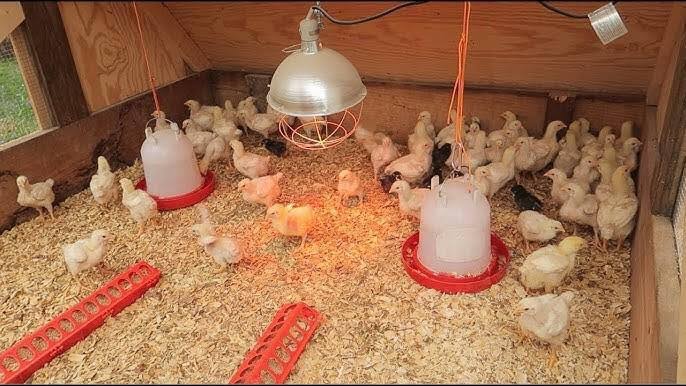
Raising day-old chicks is one of the most important stages in poultry farming. Many young poultry farmers focus on buying good chicks but forget that proper management during the first few weeks determines whether the birds will grow into healthy and profitable chickens.
The first 1–14 days of a chick’s life are very critical. Small mistakes made during this period can lead to slow growth, sickness, poor feed conversion, or even high mortality. Understanding these common mistakes can help new and future poultry farmers avoid unnecessary losses.
1. Bringing Chicks Home Before Preparing the Brooder
One major mistake is buying chicks before preparing the brooding area.
Some farmers receive chicks and then start arranging drinkers, feeders, and heating equipment afterward. This creates stress for the chicks.
Before chicks arrive, make sure you have:
- Clean and disinfected brooder house
- Feeders and drinkers
- Heat source
- Bedding materials (wood shavings)
- Clean water
- Starter feed
The brooder should be ready at least 24 hours before the chicks arrive.
2. Wrong Brooder Temperature
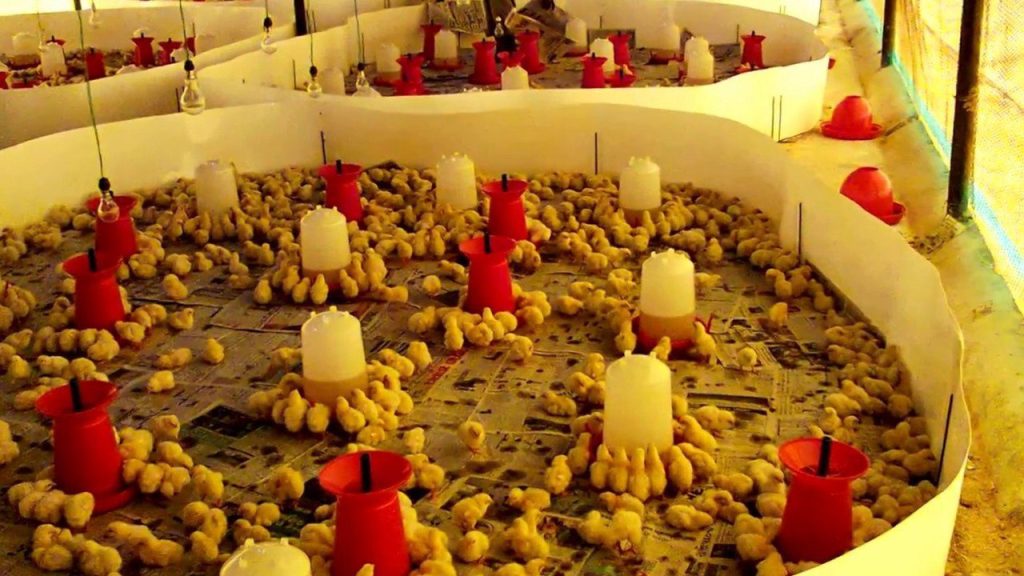
Temperature management is one of the biggest causes of chick loss.
If the brooder is:
Too cold:
- Chicks gather tightly together
- They may suffocate each other
- Growth becomes slow
Too hot:
- Chicks move far from the heat source
- They pant and become weak
- Water intake increases
Watch chick behavior:
- Evenly spread chicks = correct temperature
- Crowding under heat = cold
- Staying far from heat = too hot
3. Delaying Feed and Water
Some farmers transport chicks for long hours and delay giving feed and water.
Day-old chicks become weak quickly when they stay too long without food and water.
Immediately chicks arrive:
- Give clean water first
- Allow them to drink
- Introduce quality starter feed
Early feeding helps improve growth and survival.
4. Using Dirty Water
Water is just as important as feed.
Some farmers provide:
- Muddy water
- Contaminated water
- Dirty drinkers
This exposes chicks to diseases.
Always:
- Wash drinkers daily
- Use clean fresh water
- Replace dirty water immediately
5. Overcrowding Chicks
Trying to keep too many chicks in a small area causes problems.
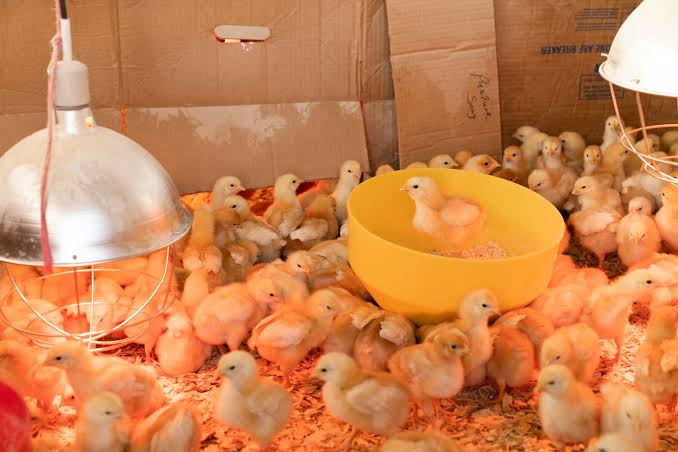
Overcrowding can lead to:
- Stress
- Disease spread
- Poor air circulation
- Competition for feed
- Suffocation
Give chicks enough space to move freely.
6. Poor Ventilation
Many beginners close every opening because they fear cold weather.
Chicks need warmth, but they also need fresh air.
Poor ventilation can cause:
- Wet litter
- Bad smell
- Respiratory diseases
- Slow growth
Allow fresh air to enter without creating strong drafts.
7. Using Wet or Dirty Litter
Wet bedding encourages bacteria and disease development.
Bad litter management can lead to:
- Foot problems
- Respiratory issues
- Infection
Good litter should be:
- Dry
- Clean
- Soft
- Regularly changed
8. Feeding Poor Quality Feed
Some farmers buy cheap feed to reduce costs.
Poor feed often contains:
- Low nutrients
- Mold contamination
- Poor ingredients
Cheap feed can become expensive later because birds grow slowly and productivity reduces.
Buy quality chick starter feed from trusted suppliers.
9. Ignoring Vaccination Programs
Many new poultry farmers skip vaccination because they believe chicks look healthy.
Disease prevention is cheaper than treatment.
Follow recommended vaccination schedules and consult poultry experts in your area.
10. Failing to Observe Chick Behavior
Your chicks speak through their behavior.
Watch for:
- Weak chicks
- Sleeping too much
- Refusing feed
- Difficulty breathing
- Unusual droppings
Early detection of problems can save many birds.
Final Advice for Young Poultry Farmers
Successful poultry farming does not start when birds become big. It starts from the first day chicks arrive.
Remember these simple rules:
✓ Prepare before chicks arrive
✓ Maintain proper temperature
✓ Provide clean water and quality feed
✓ Avoid overcrowding
✓ Keep the environment clean
✓ Follow vaccination schedules
✓ Observe your birds every day
Small mistakes during brooding can become big losses later, but good management during the first weeks can help you raise healthy birds and build a successful poultry business.
Leave a Reply