What to Do First When Your Chicken Has Watery Droppings
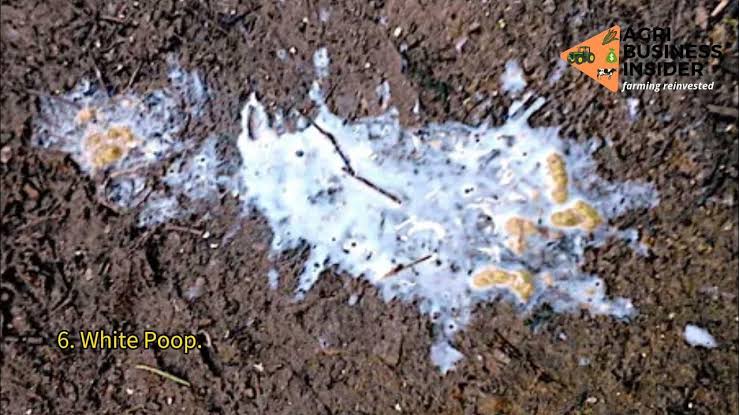
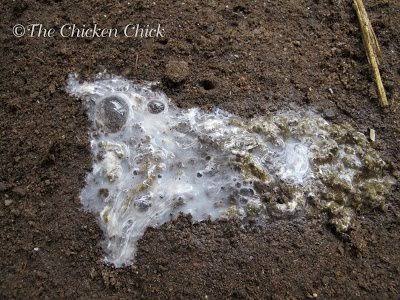
Watery droppings are a common warning sign that young chicken farmers should never ignore. A chicken may occasionally produce softer droppings, but frequent watery diarrhea can indicate problems with feed, water, parasites, infections, heat stress, or poor hygiene.
The first action is to isolate the affected chicken if possible and immediately check its water, feed, droppings, and general condition. Do not rush to give antibiotics simply because the droppings are watery.
1. Separate the Sick Chicken
Move the affected bird to a clean, dry isolation area away from healthy chickens. This helps reduce the possibility of spreading an infectious disease and allows you to monitor how much the bird eats, drinks, and passes droppings.
Keep the isolated chicken warm, comfortable, and away from drafts.
2. Check the Drinking Water
Dirty or contaminated water can quickly cause diarrhea in chickens.
Check the drinker for:
- Dirt or droppings
- Slimy deposits
- Algae
- Bad smell
- Stagnant water
Wash the drinker thoroughly and provide clean, fresh drinking water.
3. Check the Feed
Look at the feed carefully. Do not give feed that is:
- Moldy
- Wet or fermented
- Contaminated with droppings
- Very old or poorly stored
Sudden changes in feed can also cause digestive upset. If you recently changed the feed, take note of when the diarrhea started.
4. Look Carefully at the Droppings
The appearance of the droppings can provide useful clues.
Watery droppings may occur with heat stress or digestive upset, while blood, mucus, unusual coloration, or a very bad smell can indicate a more serious problem.
If several birds develop diarrhea at the same time, take the situation more seriously because an infectious or management-related problem may be affecting the flock.
5. Check for Other Signs of Sickness
Do not look at the droppings alone. Check whether the chicken is:
- Weak or unable to stand properly
- Not eating
- Not drinking
- Sleeping excessively
- Coughing or sneezing
- Losing weight
- Showing ruffled feathers
- Having a pale comb
- Passing blood in the droppings
- Dying suddenly
A combination of diarrhea and other symptoms requires prompt attention from a veterinarian or qualified poultry professional.
6. Think About Coccidiosis and Other Diseases
Coccidiosis is an important concern in young chickens, particularly where litter is wet or hygiene is poor. It can cause diarrhea, weakness, poor growth, and sometimes bloody droppings.
However, watery droppings do not automatically mean coccidiosis. Other causes include bacterial infections, worms, spoiled feed, sudden feed changes, heat stress, contaminated water, and other health problems.
Avoid guessing the disease and giving several medications at once.
7. Keep the Chicken House Dry
Wet litter creates an unhealthy environment and can increase disease pressure.
Remove wet litter, especially around drinkers, and replace it with clean, dry bedding. Make sure drinkers are positioned properly so chickens cannot easily spill water into the litter.
Good ventilation is also important, particularly during hot weather.
8. Provide Easy Access to Water
A chicken with diarrhea can lose fluids quickly. Make sure clean drinking water is always available.
If the bird is severely weak, dehydrated, or unable to drink normally, seek professional veterinary advice promptly rather than relying only on home remedies.
9. Don’t Start Antibiotics Immediately
One of the mistakes young farmers commonly make is seeing watery droppings and immediately buying antibiotics.
This can be dangerous because diarrhea does not always come from bacteria. The wrong medication may not solve the problem and can delay proper treatment.
First identify the likely cause, then use appropriate treatment under veterinary or professional guidance.
10. Watch the Rest of the Flock
After noticing diarrhea in one chicken, inspect the other birds.
Ask yourself:
- Are other chickens passing watery droppings?
- Are they eating normally?
- Are they drinking normally?
- Are they active?
- Is the litter wet?
- Has the feed recently changed?
- Is the house excessively hot?
- Are there unexplained deaths?
If several chickens are affected, contact a veterinarian or poultry health professional quickly.
The Simple First-Aid Rule for Young Farmers
When you notice a chicken producing watery droppings, remember:
Isolate → provide clean water → check feed → inspect droppings → check for other symptoms → clean the environment → monitor the flock → seek professional help when necessary.
Do not ignore persistent diarrhea, blood in droppings, severe weakness, or sudden deaths. Early action can prevent a small problem from becoming a major flock loss.
Final Advice
Watery chicken droppings are a symptom, not a disease. Your job as a young farmer is not just to stop the diarrhea but to find out why it is happening.
Good hygiene, clean water, quality feed, dry litter, proper stocking density, vaccination, and good biosecurity are some of the best ways to reduce health problems in your flock.
Leave a Reply