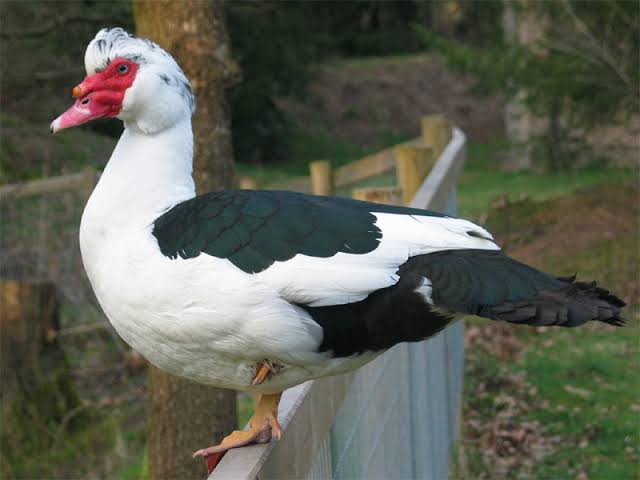
What Are Ducks?
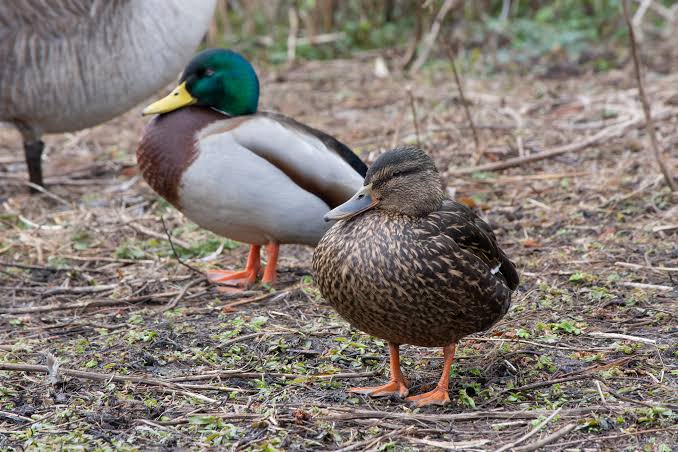
Ducks are domesticated and wild waterfowl belonging to the family Anatidae, the same family as geese and swans. They are one of the world’s oldest domesticated poultry birds and are raised for meat, eggs, feathers, breeding, and even as pets. Ducks are hardy, easy to manage, and can adapt to different climates, making them an excellent choice for both small-scale and commercial farmers.
For anyone interested in starting a duck farming business, understanding what ducks are and how they behave is the first step toward success.
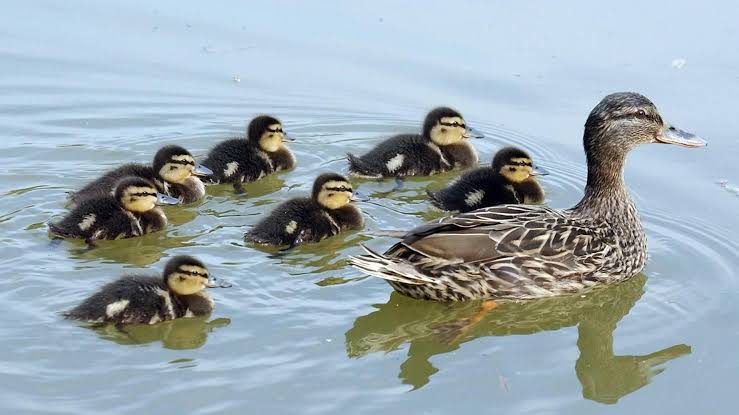
Why Are Ducks Important?
Ducks play a vital role in agriculture and food production. They provide:
- High-quality meat rich in protein.
- Nutritious eggs with excellent market demand.
- Feathers used in pillows, jackets, and bedding.
- Organic manure that improves soil fertility.
- Additional income for rural and commercial farmers.
Duck farming is becoming increasingly popular because ducks require less intensive management than many other poultry species.
Characteristics of Ducks
Ducks have several unique features that make them different from chickens and other poultry.
- They have broad, flat bills designed for filtering food from water and mud.
- Their webbed feet help them swim efficiently.
- Waterproof feathers keep them dry while swimming.
- They are strong foragers and enjoy searching for insects, snails, grasses, seeds, and aquatic plants.
- Ducks are generally resistant to many common poultry diseases.
- They grow quickly and can reach market weight within a few weeks, depending on the breed.
Domestic Ducks vs. Wild Ducks
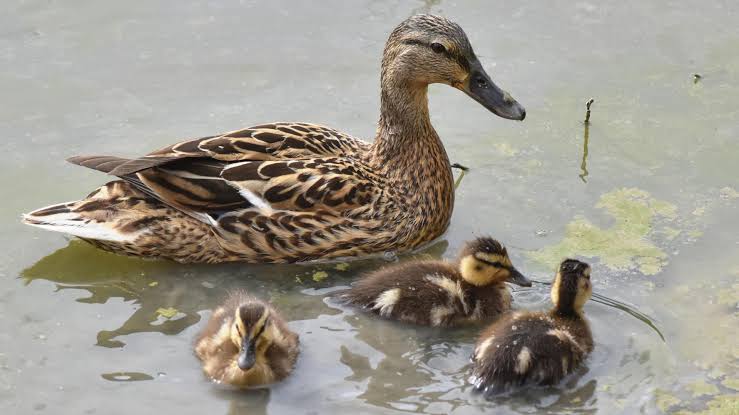
Domestic Ducks
Domestic ducks are raised by farmers for commercial or household purposes. They are bred for:
- Meat production
- Egg production
- Breeding
- Ornamental purposes
These ducks rely on farmers for feeding, housing, healthcare, and breeding management.
Wild Ducks
Wild ducks live naturally in wetlands, lakes, rivers, and marshes. They migrate seasonally and survive by finding their own food. Unlike domestic ducks, wild ducks are generally not suitable for farming.
Common Types of Ducks Raised by Farmers
Several duck breeds are popular around the world.
Meat Ducks
These breeds grow rapidly and produce high-quality meat.
Examples include:
- Pekin Duck
- Muscovy Duck
- Cherry Valley Duck
- Aylesbury Duck
Egg-Laying Ducks
These breeds produce large numbers of eggs annually.
Examples include:
- Khaki Campbell
- Indian Runner
- Welsh Harlequin
Dual-Purpose Ducks
These breeds are suitable for both meat and egg production.
Examples include:
- Saxony Duck
- Buff Duck
- Orpington Duck
Why Beginners Should Consider Duck Farming
Duck farming offers many advantages for new farmers.
- Lower startup costs than many livestock enterprises.
- Ducks are hardy and adaptable.
- They require less medication than many poultry birds.
- Strong market demand for duck meat and eggs.
- They can be raised in rural or urban areas where regulations permit.
- They thrive in free-range, semi-intensive, and intensive production systems.
What Do Ducks Eat?
Ducks need balanced nutrition to grow well.
Their diet may include:
- Commercial duck feed
- Maize (corn)
- Wheat
- Rice bran
- Soybean meal
- Fish meal
- Kitchen vegetable scraps (safe and fresh)
- Grasses
- Water plants
- Insects and worms
Fresh, clean drinking water should always be available.
Do Ducks Need Water to Swim?
Many beginners believe ducks must have ponds.
The truth is that ducks enjoy swimming, but they do not require a pond to survive. They only need plenty of clean drinking water deep enough to dip their heads and clean their nostrils and eyes.
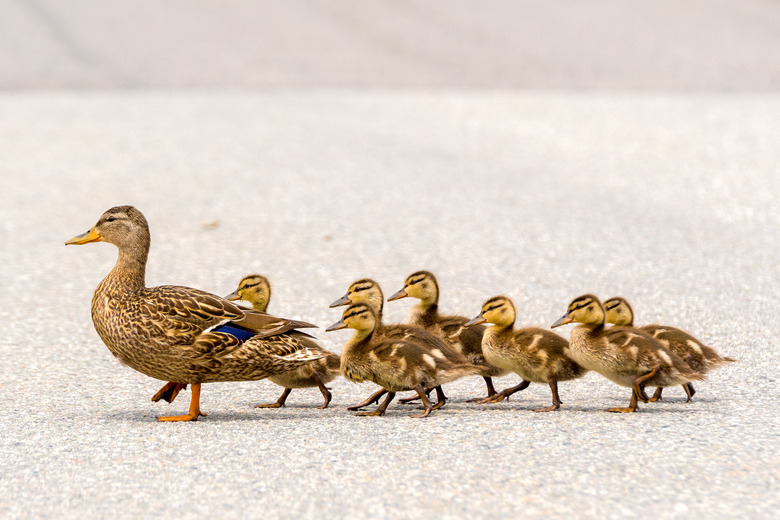
If possible, providing a small pond or water container improves their welfare and natural behavior.
Housing Ducks
A good duck house should provide:
- Protection from predators.
- Good ventilation.
- Dry flooring.
- Adequate space.
- Clean nesting areas.
- Easy access to food and water.
Keeping the housing clean reduces disease and improves productivity.
How Long Do Ducks Live?
Depending on the breed and management, ducks can live between 8 and 15 years. Commercial meat ducks are usually sold much earlier, while breeding ducks may remain productive for several years.
Common Uses of Ducks
Farmers raise ducks for several reasons.
- Meat production
- Egg production
- Breeding stock
- Organic fertilizer
- Pest control in farms and rice fields
- Ornamental display
- Pet keeping
Challenges in Duck Farming
Although ducks are hardy, farmers may still face challenges such as:
- Predator attacks.
- Poor feeding.
- Dirty water.
- Disease outbreaks.
- Extreme weather.
- Poor housing management.
- Low market prices during certain seasons.
Proper management helps reduce these problems.
Tips for New Duck Farmers
If you are planning to start duck farming:
- Learn about different duck breeds before buying.
- Purchase healthy ducklings from reputable hatcheries.
- Provide quality feed and clean water every day.
- Keep housing clean and dry.
- Vaccinate and monitor bird health where recommended by local veterinary authorities.
- Keep proper farm records.
- Start with a manageable number of ducks and expand gradually as you gain experience.
Conclusion
Ducks are among the most profitable and beginner-friendly poultry birds to raise. They are hardy, productive, and adaptable, making them an excellent investment for farmers looking to produce meat, eggs, or breeding stock. With proper feeding, clean water, suitable housing, and good management, duck farming can become a reliable source of food and income for individuals, families, and commercial enterprises.
Whether you are a young farmer or someone planning to start a poultry business, learning about ducks is the foundation of building a successful duck farming venture.
Leave a Reply