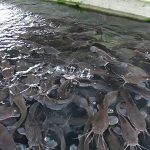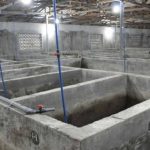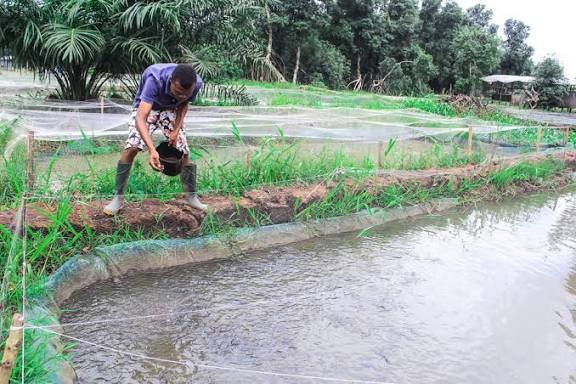

Pond management is one of the most important aspects of successful catfish farming. Whether you are just starting your fish farming business or already have a pond, proper pond management determines how fast your fish grow, their health, and your overall profit.
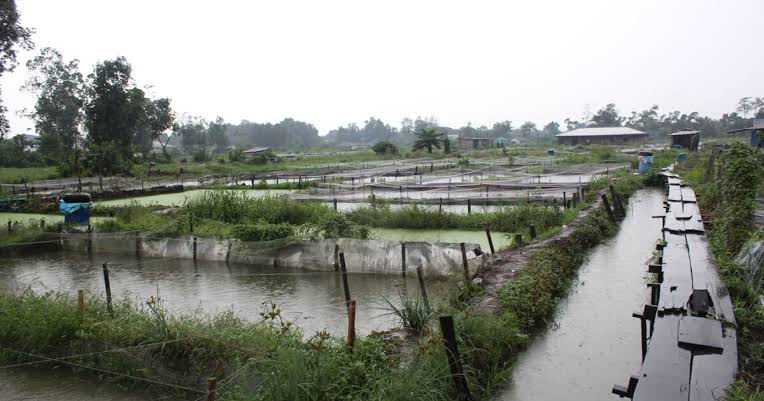
What Is Pond Management in Catfish Farming?
Pond management means all the activities carried out to make sure the fish pond provides a good environment for catfish to grow healthy and fast. It includes pond construction, cleaning, water management, feeding, stocking density, and disease control.
Good pond management ensures that:
- Catfish grow faster and healthier.
- Feed is efficiently utilized (less waste).
- Water remains clean and oxygen-rich.
- Diseases and fish deaths are reduced.
- The farmer achieves maximum profit.
Pond Preparation Before Stocking
Before introducing your catfish fingerlings or juveniles into the pond, proper preparation is essential. Follow these steps:
a. Drain and Dry the Pond:
If it’s an old pond, remove all dirty water and allow the pond bottom to dry for about 5–7 days. This helps kill harmful bacteria and parasites.
b. Remove Unwanted Organisms:
Clear out frogs, snails, or wild fish that may eat your fingerlings.
c. Apply Lime (Optional):
Apply agricultural lime (CaCO₃) at 200–250 kg per hectare to neutralize acidity and improve soil fertility.
d. Fertilize the Pond (Optional):
You can use organic fertilizer such as poultry droppings to promote plankton growth, which serves as natural fish food.
e. Fill the Pond with Clean Water:
Use clean, chlorine-free water and maintain a depth of about 1.2–1.5 meters.
Water Quality Management
Water is life in fish farming. Poor water quality leads to stress, slow growth, and fish mortality.
Key water quality factors include:
- Temperature: Ideal range is 26°C–30°C.
- pH level: Should be between 6.5–8.0.
- Dissolved Oxygen: Always keep above 5 mg/L.
- Ammonia and Nitrite: Keep these as low as possible; high levels are toxic.
Tips for maintaining good water quality:
- Change part of the water (10–20%) weekly.
- Avoid overfeeding to reduce waste buildup.
- Remove dead fish or uneaten feed immediately.
- Use aerators or paddle wheels to increase oxygen if needed.
Feeding Management
Feeding contributes up to 70% of catfish production costs, so it must be managed wisely.
Best practices:
- Feed twice daily (morning and evening).
- Use high-quality floating feed with at least 35–40% crude protein.
- Feed according to fish size and number.
- Observe feeding behavior — stop when they lose interest.
Feeding Tips for Young Farmers:
- Avoid feeding during cold or rainy periods (fish won’t eat much).
- Record feeding quantity daily to track growth and feed conversion ratio (FCR).
Stocking Density
Overstocking leads to competition for food and oxygen, while understocking wastes space and resources.
Recommended stocking rate:
- 1000–1500 catfish fingerlings per 100 square meters (for concrete or earthen ponds).
Always stock fish of uniform size to avoid cannibalism.
Disease Control and Pond Hygiene
Healthy ponds produce healthy fish. To reduce disease risk:
- Maintain clean pond surroundings.
- Regularly change pond water.
- Quarantine new fish before mixing them.
- Avoid using contaminated equipment.
- Observe fish daily for signs of illness (e.g., gasping, color change, sores).
If you notice problems, consult an aquaculture expert before using any treatment.
Regular Pond Maintenance
Weekly and monthly maintenance checklist:
- Remove waste and sludge from the pond bottom.
- Check for pond leaks or erosion.
- Clean water inlets and outlets.
- Trim weeds around the pond.
- Test water quality regularly.
Importance of Pond Management for Profitability
Good pond management increases fish growth rate, improves feed efficiency, and reduces mortality — all of which lead to higher profit. Poor management, on the other hand, can cause fish loss and wasted investment.
Final Thoughts
For young catfish farmers, proper pond management is the key to a successful and profitable fish farming business. Always monitor your water quality, feed efficiently, and maintain a clean pond environment.
With dedication and consistent care, you can achieve high yield and sustainable profit in your catfish farming venture.