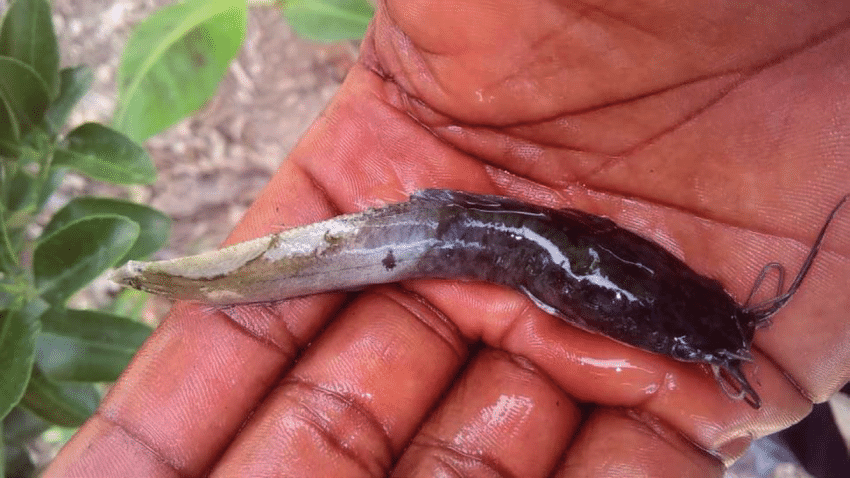
Feeding your fingerling catfish properly is one of the most important steps to ensure healthy growth and high survival rates in catfish farming. For every new or experienced fish farmer, understanding the right feed and feeding practices can make a big difference in profit and productivity.

What Are Fingerlings in Catfish Farming?
Fingerlings are young catfish that are usually between 3–6 weeks old and weigh between 2–5 grams. This stage is very sensitive because fingerlings are still developing their digestive systems and immunity. Providing the right type of feed during this period helps them grow into strong juveniles and adult fish.
Types of Feed for Fingerling Catfish
- Starter Feed (0.5mm – 1.5mm pellets)
- This is the first feed fingerlings eat after hatching.
- It should be high in protein (around 45–50%) to support rapid growth.
- Feed brands such as Coppens, Skretting, or Aller Aqua are popular among Nigerian fish farmers.
- Transition Feed (1.5mm – 2mm pellets)
- Used when fingerlings start growing bigger (about 5 grams and above).
- Protein content should range from 40–45%.
- This feed prepares the fish for the grow-out stage.
- Locally Formulated Feed
- Many farmers reduce costs by using locally made feeds after the first few weeks.
- Ingredients may include fish meal, soybean meal, maize, groundnut cake, and vitamin premix.
- However, always make sure it meets the nutritional needs of the fish.
Feeding Schedule for Fingerlings
- Feed 2–3 times daily (morning and evening) to prevent overfeeding and waste.
- Feed small quantities they can finish within 5–10 minutes.
- Always observe their feeding behavior—active fingerlings are a sign of good health.
- Avoid feeding when the water temperature is too cold or when oxygen levels are low.
Water Quality and Feeding
Good water quality supports effective feed utilization. Dirty or stagnant water can reduce feed conversion and cause stress or disease.
- Change water regularly.
- Maintain oxygen levels and remove uneaten feed.
- Keep pond temperature between 26°C and 30°C for best results.

Tips for Successful Fingerling Feeding
Always use floating feed so you can monitor how much they eat.
Buy feed from trusted suppliers to ensure quality and freshness.
Avoid sudden feed changes; introduce new feed gradually.
Keep records of feeding amounts and fish growth rates.
Conclusion
Proper feeding of fingerling catfish determines the success of your entire fish farming cycle. Use high-quality feed with adequate protein, follow a consistent feeding schedule, and maintain good pond management. With the right feeding practices, your fingerlings will grow healthy and fast, giving you a profitable harvest.
Leave a Reply