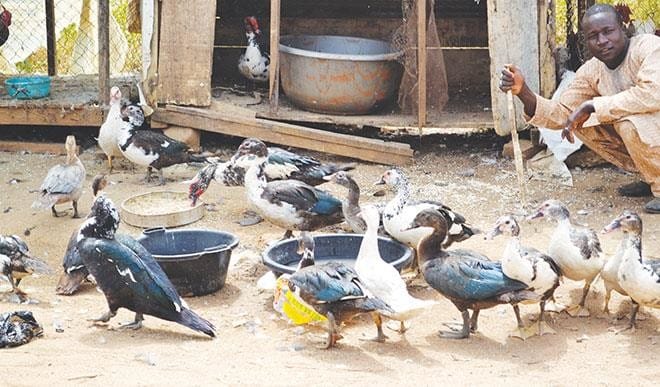
Importance of Ducks in Agriculture
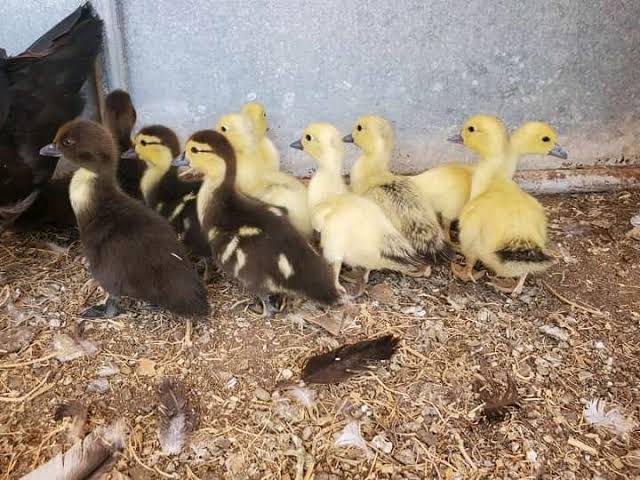
Duck farming is one of the most profitable and sustainable livestock businesses in modern agriculture. Ducks are easy to rear, require relatively low management compared to many other farm animals, and provide multiple sources of income. Whether you are a beginner or planning to start a commercial duck farm, understanding the importance of ducks in agriculture will help you build a successful business.
1. Ducks Provide High-Quality Meat
Duck meat is highly nutritious and rich in protein, iron, zinc, and essential vitamins. It is consumed in many countries and is often sold at premium prices compared to chicken.

Benefits include:
- Excellent source of animal protein.
- Strong market demand in many regions.
- Higher profit potential for farmers.
2. Ducks Produce Nutritious Eggs
Many duck breeds are excellent egg layers. Duck eggs are larger than chicken eggs and contain more protein and healthy fats.
Advantages:
- High nutritional value.
- Popular for baking and food processing.
- Can provide farmers with daily income.
3. Source of Farm Income
Duck farming creates several income streams, including:
- Selling ducklings.
- Selling mature ducks.
- Selling eggs.
- Selling processed duck meat.
- Selling feathers.
- Selling organic manure.
This makes duck farming a reliable agricultural business.
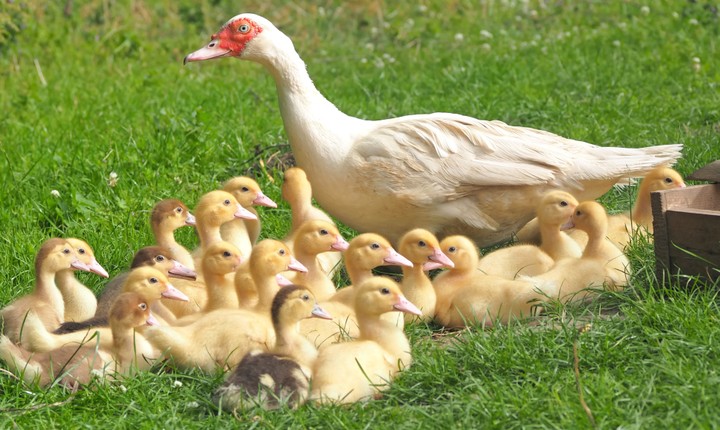
4. Ducks Help Control Farm Pests
Ducks naturally feed on:
- Snails.
- Slugs.
- Grasshoppers.
- Beetles.
- Mosquito larvae.
- Small insects.
By eating these pests, ducks reduce crop damage and decrease the need for chemical pesticides.
5. Natural Weed Control
Ducks eat many unwanted grasses and weeds found around farms, orchards, and rice fields. This helps farmers reduce labour costs while keeping farmland clean.
6. Excellent for Rice Farming
In many countries, ducks are raised alongside rice production. They:
- Eat harmful insects.
- Control weeds.
- Reduce pest populations.
- Fertilize the rice field with manure.
This farming system improves productivity while lowering production costs.
7. Ducks Produce Organic Fertilizer
Duck droppings are rich in nutrients such as nitrogen, phosphorus, and potassium.
Duck manure can:
- Improve soil fertility.
- Increase crop yields.
- Reduce dependence on chemical fertilizers.
- Support organic farming.
8. Ducks Adapt to Different Environments
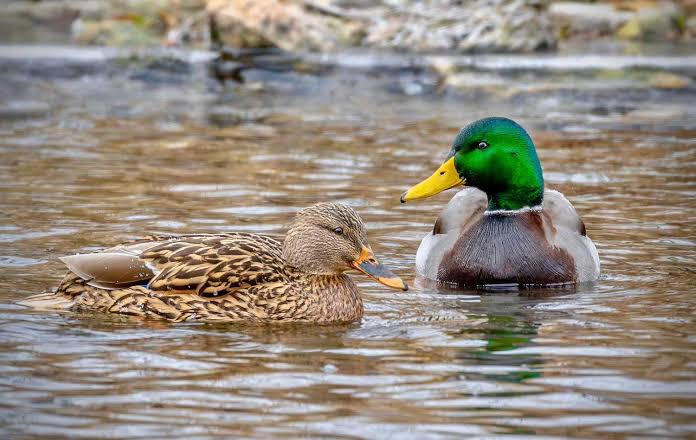
One major advantage of ducks is their adaptability. They perform well in:
- Rural areas.
- Urban farms.
- Wetlands.
- Backyard systems.
- Commercial farms.
They tolerate different climates better than many poultry species.
9. Low Cost of Feeding
Ducks consume:
- Kitchen leftovers.
- Grains.
- Rice bran.
- Maize.
- Water plants.
- Insects.
- Snails.
Because they can forage naturally, farmers often spend less on feed compared to raising other poultry.
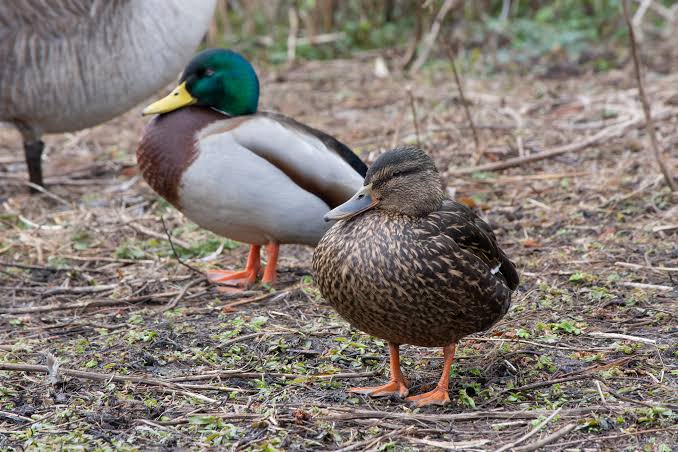
10. Strong Disease Resistance
Although ducks can become sick, they generally have stronger natural resistance to several common poultry diseases than chickens when properly managed.
Good hygiene, vaccination where recommended, clean water, and balanced nutrition help keep ducks healthy.
11. Ducks Mature Quickly
Many duck breeds grow rapidly and reach market weight within a few months, allowing farmers to recover their investment sooner.
12. Ducks Improve Farm Sustainability
Duck farming fits well into integrated farming systems where crops, fish, and livestock support one another. Ducks help recycle farm waste into valuable products like meat, eggs, and manure.
13. Creates Employment Opportunities
Duck farming generates jobs in:
- Breeding.
- Hatcheries.
- Feed production.
- Transportation.
- Processing.
- Marketing.
- Veterinary services.
This contributes to rural economic development.
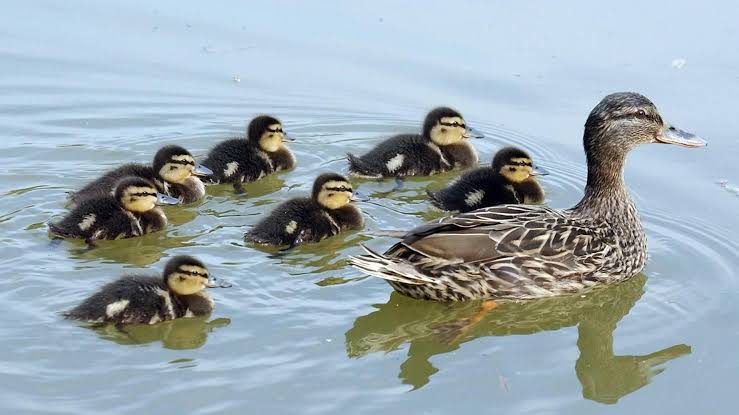
14. Supports Food Security
By producing affordable meat and eggs, ducks help improve household nutrition and provide a dependable source of animal protein for communities.
15. Feathers Have Commercial Value
Duck feathers are used to manufacture:
- Pillows.
- Duvets.
- Jackets.
- Cushions.
- Decorative products.
This creates additional income from birds after processing.
Tips for Young People Interested in Duck Farming
If you want to succeed in duck farming:
- Start with healthy ducklings from reputable breeders.
- Choose a breed that matches your goal (meat, eggs, or dual-purpose).
- Provide clean drinking water at all times.
- Feed ducks a balanced diet suitable for their age.
- Keep housing clean, dry, and well-ventilated.
- Protect ducks from predators.
- Follow vaccination and biosecurity recommendations in your area.
- Keep accurate records of expenses, production, and sales.
- Learn continuously from experienced farmers and agricultural experts.
Conclusion
Duck farming is one of the most rewarding agricultural enterprises for beginners and experienced farmers alike. Ducks provide meat, eggs, organic fertilizer, natural pest control, and multiple income opportunities while requiring relatively simple management. With proper planning, good feeding, and effective disease prevention, duck farming can become a profitable and sustainable business that supports food security, creates employment, and contributes significantly to agricultural development.
Leave a Reply