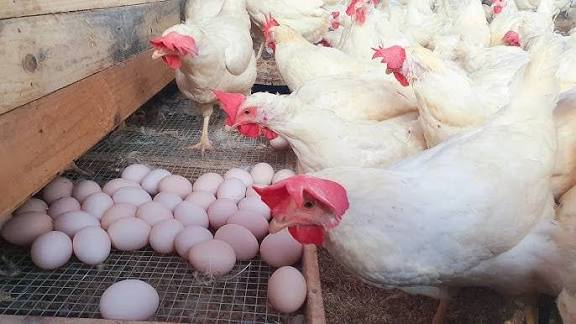
Egg production is one of the most profitable ventures in poultry farming. With the right knowledge, management practices, and dedication, young farmers can successfully start a chicken farm for eggs and generate a steady income.

1. Understanding Chicken Farming for Eggs
Chicken farming for eggs involves raising layers (egg-laying chickens) to produce eggs for sale or personal use. Unlike broilers, which are raised for meat, layers require proper nutrition, housing, and management to maintain consistent egg production.
Benefits of Egg Farming
- Steady income: Eggs are in high demand in local markets.
- Low investment risk: Layer chickens are less susceptible to diseases compared to broilers if properly managed.
- Quick returns: Layers start producing eggs as early as 18–20 weeks.
- Employment opportunities: Poultry farming creates jobs for farmhands and service providers.
2. Choosing the Right Breed
Selecting the right layer breed is crucial for maximum egg production. Popular egg-laying breeds include:
- White Leghorn: High egg production, white eggs.
- Rhode Island Red: Hardy, good for both meat and eggs, brown eggs.
- Isa Brown: High-yielding, brown eggs, good for commercial farming.
- Lohmann Brown: Ideal for intensive farming, brown eggs.
Tip: Choose breeds based on your farm size, climate, and market demand.
3. Housing and Space Requirements
Proper housing is essential for the health and productivity of your chickens.
Layer Chicken Housing Tips
- Type: Use deep litter or battery cage systems depending on your investment and farm size.
- Space:
- Battery cage: 450–500 cm² per bird
- Deep litter: 4–5 birds per square meter
- Ventilation: Ensure proper airflow to prevent respiratory diseases.
- Lighting: Provide 14–16 hours of light daily to stimulate egg production.
- Sanitation: Clean housing regularly to prevent disease outbreaks.
4. Feeding Your Layers
Nutrition directly affects egg quantity and quality.
Layer Chicken Feed Requirements
- Starter feed (0–6 weeks): High in protein (20–24%) for growth.
- Grower feed (6–18 weeks): Moderate protein (16–18%) to prepare for laying.
- Layer feed (18 weeks onwards): Protein 16–18%, calcium 3–4% for strong eggshells.
Tips:
- Provide clean drinking water at all times.
- Include supplements like oyster shell or limestone for calcium.
- Avoid sudden feed changes to prevent stress.
5. Health Management
Preventing diseases is cheaper than treating them.
- Vaccination: Vaccinate against common poultry diseases like Newcastle Disease, Gumboro, and Fowl Pox.
- Biosecurity: Limit farm visitors and disinfect equipment regularly.
- Observation: Check daily for signs of illness (lethargy, loss of appetite, abnormal droppings).
- Record Keeping: Track vaccination dates, egg production, and feed consumption.
6. Egg Collection and Storage
- Collection: Collect eggs 2–3 times a day to prevent damage and contamination.
- Cleaning: Wipe eggs gently; avoid washing unless necessary.
- Storage: Store eggs at 15–20°C for short-term use or refrigeration for long-term storage.
7. Marketing Your Eggs
Marketing is key to profitability. Consider these strategies:
- Sell directly to households, hotels, and restaurants.
- Supply to local markets or supermarkets.
- Brand your eggs for premium pricing.
- Explore online delivery services if available in your area.
8. Common Challenges in Egg Farming
- Diseases: Newcastle Disease, Avian Influenza
- Poor nutrition: Leads to weak shells and low production
- Predators: Rats, snakes, and hawks
- Market fluctuation: Keep updated with local demand and pricing
9. Profitability
With good management, a layer chicken can produce 250–300 eggs per year. Proper feeding, housing, and health care significantly increase returns.
Example Estimate:
- 100 layers x 280 eggs/year = 28,000 eggs
- Selling at ₦100 per egg = ₦2,800,000/year revenue
Conclusion
Chicken farming for eggs is a rewarding venture for young farmers. Success depends on proper breed selection, nutrition, housing, health management, and marketing strategies. Start small, focus on good management, and gradually expand to maximize profits.
Leave a Reply