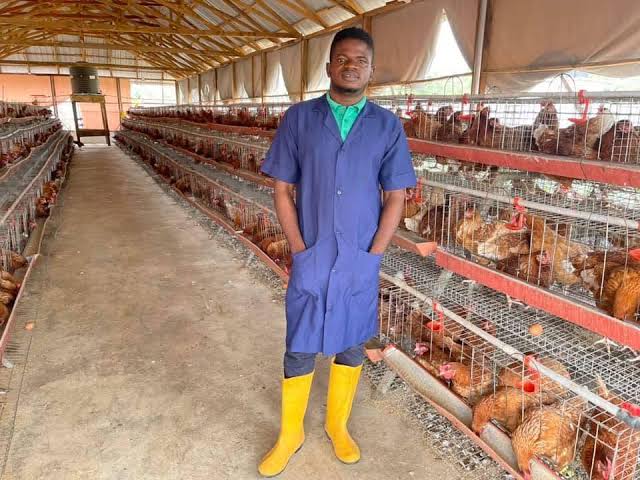
How to Set Up a Big Poultry Farm in Nigeria
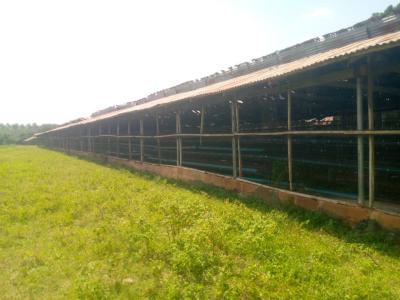
Poultry farming is one of the most profitable agricultural businesses in Nigeria. With the country’s growing population and increasing demand for eggs and chicken meat, starting a large-scale poultry farm can become a sustainable source of income if it is properly planned and managed.
Whether you want to raise layers for egg production, broilers for meat, or both, success depends on careful planning, quality management, and good business practices. This guide explains everything young farmers need to know before investing in a big poultry farm.
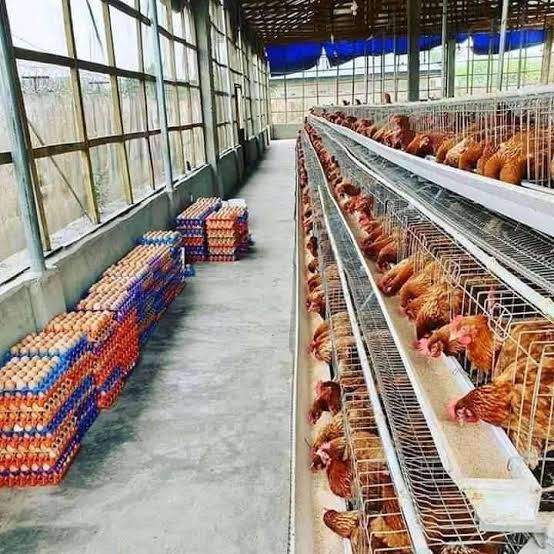
Why Invest in Poultry Farming?
Large-scale poultry farming offers several advantages:
- High demand for eggs and chicken throughout the year.
- Faster return on investment compared to many livestock businesses.
- Multiple income sources, including eggs, broilers, manure, spent layers, and day-old chicks.
- Employment opportunities for family members and local communities.
- Potential to supply hotels, supermarkets, restaurants, schools, and food processing companies.
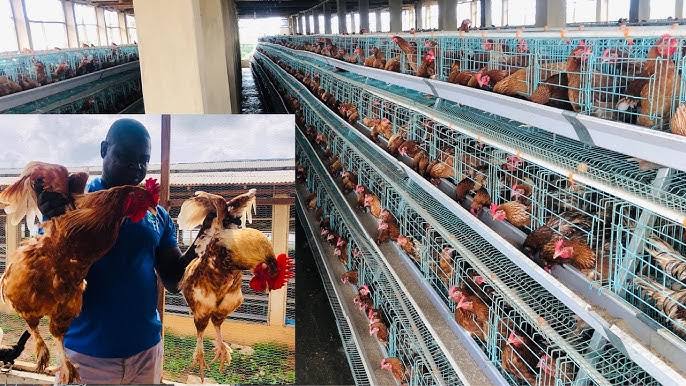
Step 1: Choose the Type of Poultry Business
Before building your farm, decide what you want to produce.
Layers
- Raised mainly for egg production.
- Begin laying eggs at about 18–22 weeks.
- Can produce eggs for over one year.
Broilers
- Raised for meat production.
- Reach market weight within 6–8 weeks.
Breeders
- Produce fertile eggs for hatcheries.
- Require advanced knowledge and higher investment.
Hatchery Business
- Produces day-old chicks for other poultry farmers.
- Requires incubators and specialized management.
Step 2: Develop a Business Plan
A good business plan should include:
- Farm objectives
- Number of birds
- Estimated startup costs
- Feeding budget
- Housing costs
- Equipment list
- Labour requirements
- Marketing strategy
- Expected income
- Risk management plan
A business plan helps you secure loans, attract investors, and manage your finances effectively.
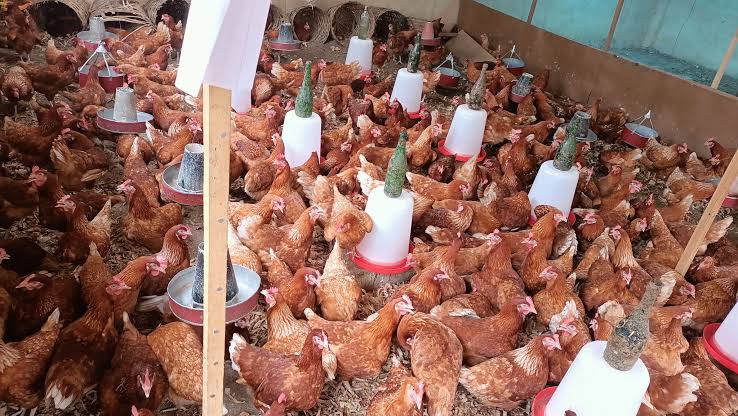
Step 3: Choose a Suitable Farm Location
Your poultry farm should:
- Be away from residential areas.
- Have enough land for future expansion.
- Be easily accessible by road.
- Have reliable water supply.
- Have electricity or an alternative power source.
- Have proper drainage to prevent flooding.
Step 4: Buy Enough Land
The amount of land depends on your production goals.
For a large commercial farm, allow space for:
- Poultry houses
- Feed storage
- Office
- Staff quarters
- Generator house
- Waste disposal area
- Parking area
- Future expansion
Step 5: Build Modern Poultry Houses
Proper housing keeps birds healthy and productive.
Good poultry houses should have:
- Strong roofing
- Good ventilation
- Proper lighting
- Concrete floors
- Easy cleaning system
- Rodent-proof construction
- Biosecurity barriers
- Comfortable temperature
Step 6: Install the Right Equipment
Essential poultry equipment includes:
- Feeders
- Drinkers
- Brooders
- Nesting boxes
- Egg trays
- Cages or deep litter equipment
- Water tanks
- Feed storage bins
- Wheelbarrows
- Vaccination tools
- Fans and cooling systems where necessary
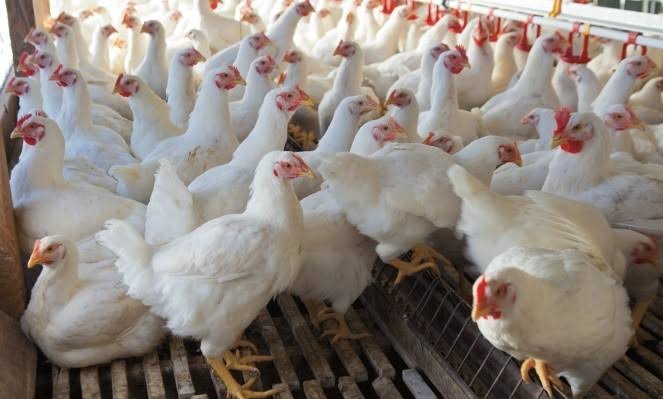
Step 7: Choose Quality Birds
Purchase chicks only from reputable hatcheries.
Healthy chicks should:
- Be active
- Have bright eyes
- Have dry navels
- Stand firmly
- Be free from deformities
Never buy weak or unhealthy chicks because they often result in poor performance.
Step 8: Buy Quality Feed
Feed accounts for the largest share of poultry production costs.
Use balanced feeds suitable for each stage of growth:
- Chick starter
- Grower feed
- Layer mash
- Broiler starter
- Broiler finisher
Always provide clean drinking water.
Step 9: Follow a Vaccination Program
Vaccination protects birds against major diseases.
Common poultry diseases include:
- Newcastle disease
- Gumboro disease
- Fowl pox
- Coccidiosis
- Fowl cholera
- Infectious bronchitis
Consult a qualified veterinarian to develop a vaccination schedule for your farm.
Step 10: Practice Strict Biosecurity
Disease prevention is cheaper than treatment.
Biosecurity measures include:
- Restrict farm visitors.
- Disinfect footwear and equipment.
- Isolate sick birds.
- Remove dead birds immediately.
- Control rodents and wild birds.
- Keep poultry houses clean.
- Wash drinkers and feeders regularly.
Step 11: Hire Skilled Workers
As your farm grows, you will need workers to manage:
- Feeding
- Cleaning
- Egg collection
- Vaccination
- Record keeping
- Security
- Marketing
Train staff regularly to maintain high standards.
Step 12: Keep Accurate Records
Maintain records for:
- Bird numbers
- Feed consumption
- Egg production
- Mortality
- Vaccination
- Medication
- Expenses
- Sales
- Profit and loss
Good records help you identify problems early and improve profitability.
Step 13: Market Your Products
Potential buyers include:
- Hotels
- Restaurants
- Supermarkets
- Retail shops
- Food vendors
- Bakeries
- Schools
- Wholesalers
- Individual consumers
You can also promote your products through social media and your own website.
Estimated Cost of Starting a Big Poultry Farm in Nigeria
The total cost depends on:
- Number of birds
- Land price
- Housing system
- Equipment
- Feed prices
- Labour
- Vaccines
- Electricity
- Water supply
A commercial farm with thousands of birds requires a significantly larger investment than a small backyard operation. Prepare a detailed budget before you begin.
Common Challenges
Some challenges include:
- High feed prices
- Disease outbreaks
- Power shortages
- Market price fluctuations
- Poor-quality chicks
- Theft
- Extreme weather conditions
Good planning and proper farm management can reduce these risks.
Tips for Success
- Start with a realistic scale and expand gradually.
- Buy chicks from trusted hatcheries.
- Use high-quality feed.
- Follow vaccination schedules.
- Maintain excellent hygiene.
- Keep accurate records.
- Learn continuously through training and extension services.
- Build strong relationships with buyers.
- Reinvest part of your profits into expanding the business.
Conclusion
Setting up a big poultry farm in Nigeria requires careful planning, adequate capital, modern housing, quality birds, proper feeding, strict biosecurity, and effective marketing. With commitment, sound management, and continuous learning, young farmers can build a profitable poultry enterprise that creates jobs, improves food security, and contributes to the country’s agricultural development.
Leave a Reply