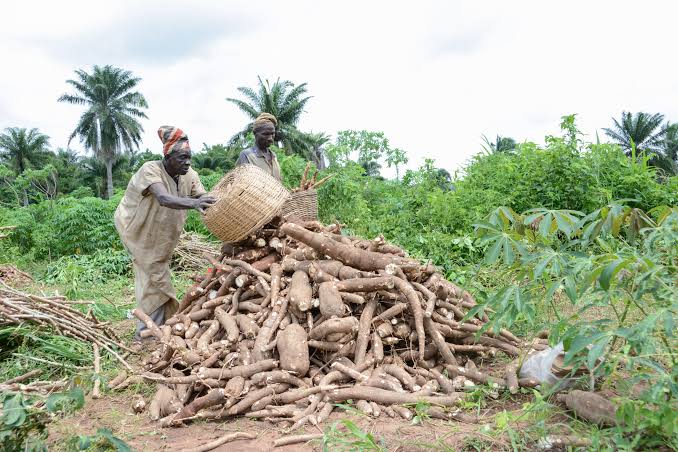
Commercial vs. Subsistence Cassava Farming: Which Is Better for Young Farmers in Nigeria?
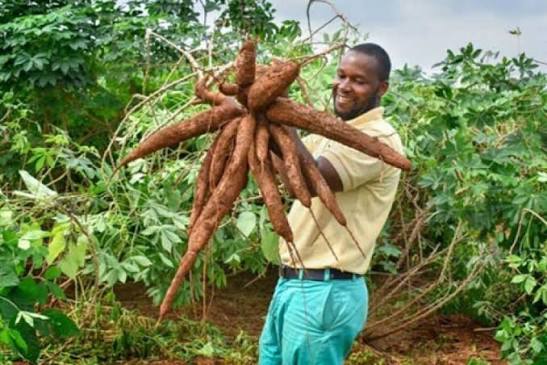
Cassava farming is one of the most profitable agricultural businesses in Nigeria. It provides food for millions of people and supplies raw materials to many industries. If you are a young farmer or someone planning to start cassava farming, it is important to understand the difference between commercial cassava farming and subsistence cassava farming. Knowing the difference will help you choose the right farming method based on your goals, land size, and available capital.
What Is Subsistence Cassava Farming?
Subsistence cassava farming means growing cassava mainly to feed yourself and your family. The farmer only sells a small amount if there is extra harvest.
This type of farming is common in many rural communities.
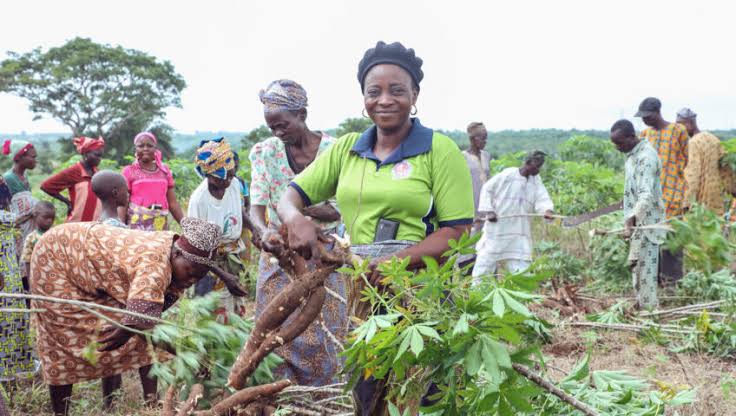
Characteristics of Subsistence Cassava Farming
- Small farm size, usually less than 2 hectares.
- Mostly family labour is used.
- Simple farming tools like hoes and cutlasses.
- Low investment in fertilizers and improved cassava stems.
- Harvest is mainly for family consumption.
- Little or no use of machines.
Advantages
- Requires little capital to start.
- Provides food security for the family.
- Reduces household food expenses.
- Easy for beginners with limited resources.
Disadvantages
- Low income from sales.
- Lower yields due to poor farming practices.
- Difficult to expand the business.
- Limited access to modern farming technology.
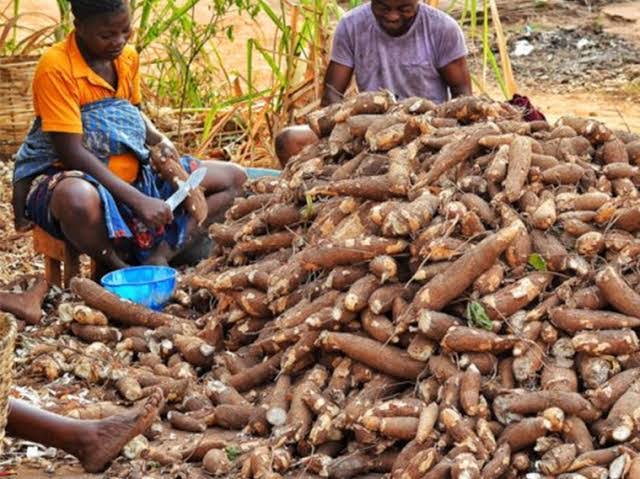
What Is Commercial Cassava Farming?
Commercial cassava farming means growing cassava mainly for sale and profit. The farmer treats cassava farming as a business and aims to produce large quantities for markets and processing industries.
Characteristics of Commercial Cassava Farming
- Large farm size, usually several hectares.
- Uses improved cassava varieties.
- Applies fertilizers and weed control measures.
- May use tractors and other farm machinery.
- Employs hired workers when necessary.
- Produces cassava for local markets, factories, or export.
Advantages
- Higher income potential.
- Better yields with improved farming methods.
- Creates employment opportunities.
- Easier to attract investors and agricultural loans.
- Supplies raw materials to industries producing garri, flour, starch, ethanol, and animal feed.
Disadvantages
- Requires more capital.
- Higher production costs.
- Greater financial risk if prices fall.
- Needs proper farm management and record keeping.
Major Differences Between Commercial and Subsistence Cassava Farming
| Subsistence Farming | Commercial Farming |
|---|---|
| Grown mainly for family food | Grown mainly for profit |
| Small land area | Large land area |
| Low investment | High investment |
| Simple tools | Modern equipment and machinery |
| Family labour | Hired labour and mechanization |
| Low production | High production |
| Limited sales | Large-scale marketing |
Which One Should Young Farmers Choose?
For many young people, starting with a small cassava farm is a smart decision. As your experience, profits, and savings increase, you can gradually expand into commercial cassava farming.
You do not need hundreds of hectares to become successful. Many commercial cassava farmers started with just one hectare before expanding over time.
Tips for Young Farmers Who Want to Go Commercial
- Choose fertile, well-drained land.
- Buy certified, disease-resistant cassava stems.
- Plant at the right time, preferably during the rainy season.
- Control weeds early.
- Apply fertilizer based on soil test recommendations.
- Keep records of all farm expenses and income.
- Look for reliable buyers before harvesting.
- Join a farmers’ cooperative to access training, loans, and better markets.
Final Thoughts
Both subsistence and commercial cassava farming are important. Subsistence farming helps families produce enough food, while commercial farming creates jobs, increases farmers’ incomes, and supports Nigeria’s agricultural economy.
If you are serious about making money from cassava farming, treat it as a business. Start with the resources you have, use good farming practices, continue learning, and gradually expand your farm. With patience, proper planning, and hard work, cassava farming can become a sustainable and profitable source of income for young farmers in Nigeria.
Leave a Reply