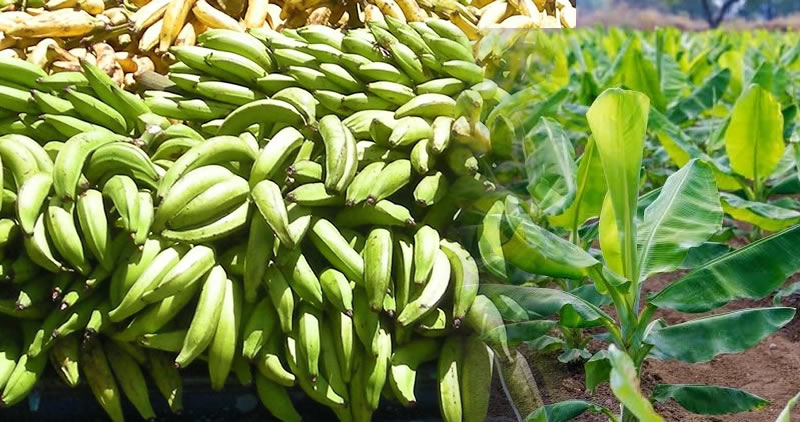
Benefits of Plantain Farming
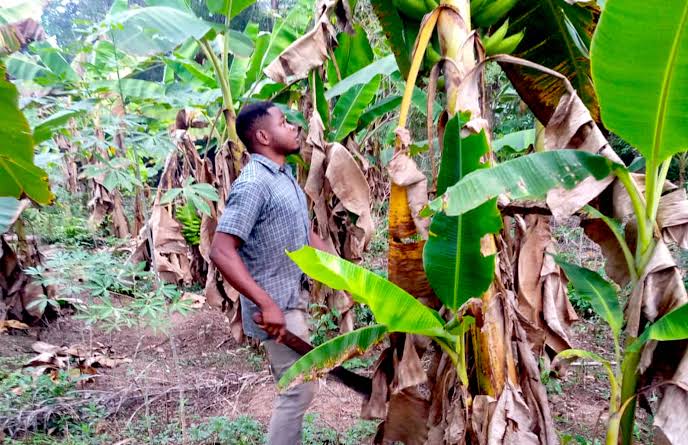
Plantain farming is one of the most profitable and sustainable agricultural businesses in many tropical countries. As the demand for plantain continues to grow in homes, restaurants, food processing industries, and export markets, establishing a plantain plantation has become an excellent opportunity for young people, aspiring farmers, and investors.
Whether you are planning to start a small backyard farm or a large commercial plantation, plantain farming offers long-term income, food security, and numerous economic benefits.
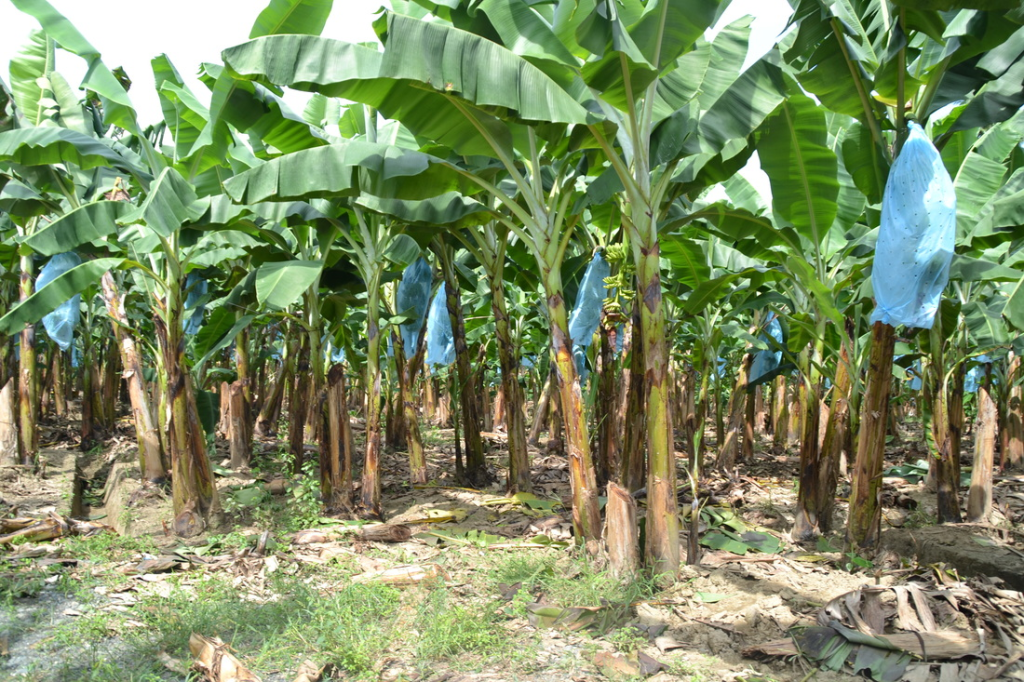
What Is Plantain Farming?
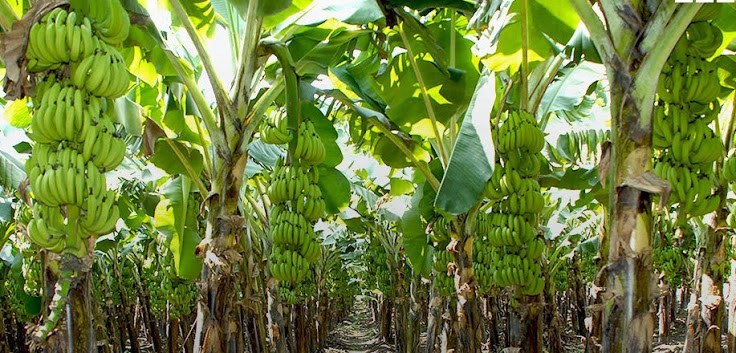
Plantain farming involves cultivating plantain crops for commercial or household purposes. Plantains thrive in warm, humid climates with fertile, well-drained soil and adequate rainfall. Once planted and properly managed, a plantation can continue producing for many years through ratooning, where new suckers grow after harvesting the parent plant.
Top Benefits of Plantain Farming
1. High Market Demand
Plantain is one of the most consumed staple foods in many countries. People eat it boiled, fried, roasted, grilled, or processed into flour and chips. This constant demand means farmers rarely struggle to find buyers.
2. Excellent Profit Potential
A well-managed plantation can generate substantial income. Since each healthy plant produces fruit and new suckers for future harvests, farmers enjoy continuous production and recurring revenue.
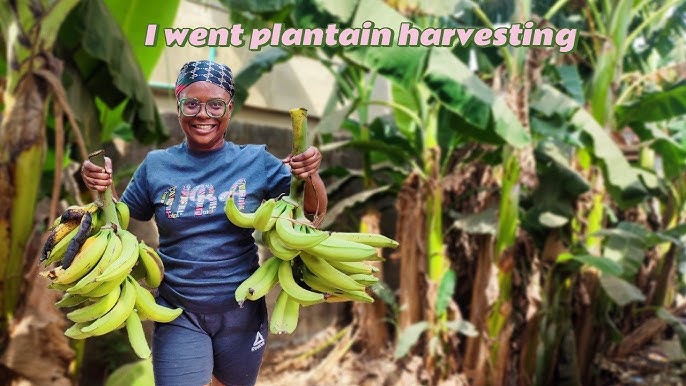
3. Multiple Sources of Income
Plantain farming goes beyond selling fresh bunches. Farmers can also earn money from:
- Plantain chips
- Plantain flour
- Roasted plantain
- Plantain powder
- Plantain seedlings (suckers)
- Animal feed made from plantain waste
- Organic compost
Diversifying your products increases profitability.
4. Fast Returns on Investment
Unlike many tree crops that take several years before harvesting, plantains generally begin producing within 8 to 15 months, depending on the variety and growing conditions. This allows farmers to recover their investment relatively quickly.
5. Continuous Harvest
One of the biggest advantages of plantain farming is year-round production. After harvesting one plant, new suckers continue growing, ensuring a steady harvest with proper plantation management.
6. Low Maintenance After Establishment
Although plantains require proper care during establishment, routine maintenance mainly includes:
- Weed control
- Mulching
- Fertilizer application
- Pest and disease management
- Removing excess suckers
- Regular watering during dry periods
With good management, the plantation remains productive for many years.
7. Job Creation
Plantain farming creates employment opportunities for:
- Farm workers
- Harvesters
- Transporters
- Food processors
- Retail traders
- Export businesses
Young entrepreneurs can also build businesses around packaging, processing, and marketing plantain products.
8. Supports Food Security
Plantain is rich in carbohydrates, vitamins, minerals, and dietary fiber. Producing more plantains helps improve food availability while providing nutritious meals for families and communities.
9. Export Opportunities
Many countries import plantains and processed plantain products. Farmers who meet quality standards can supply exporters or process products for international markets, increasing their income.
10. Suitable for Intercropping
Young plantain plantations allow farmers to grow additional crops between rows, such as:
- Maize
- Cassava
- Yam
- Cocoyam
- Vegetables
- Pepper
- Beans
Intercropping provides extra income before the plantains reach full maturity.
11. Environmentally Friendly
Plantain plantations help reduce soil erosion, improve soil moisture retention through mulching, and increase organic matter as leaves decompose. They also contribute to a healthier farming ecosystem.
12. Every Part of the Plant Has Value
Very little goes to waste in plantain farming.
Useful parts include:
- Fruits for food and processing
- Leaves for wrapping food
- Stems for livestock feed and compost
- Fibers for crafts in some regions
- Peels for animal feed and organic fertilizer
This reduces waste and creates additional business opportunities.
Why Young People Should Invest in Plantain Farming
Agriculture is becoming more profitable as food demand increases. Plantain farming offers young entrepreneurs the opportunity to build a long-term business with relatively moderate startup costs.
Young farmers can start small, gain experience, and gradually expand into commercial production. With modern farming methods, irrigation, improved varieties, and good farm management, productivity can increase significantly.
Keys to Success in Plantain Farming
To build a successful plantation:
- Choose fertile, well-drained land.
- Plant healthy, disease-free suckers or tissue-cultured seedlings.
- Use proper spacing to encourage healthy growth.
- Apply organic manure or balanced fertilizers.
- Control weeds regularly.
- Mulch to conserve soil moisture.
- Monitor pests and diseases.
- Remove weak or excess suckers.
- Harvest at the right maturity stage.
- Keep farm records to monitor expenses and profits.
Common Challenges
Like every agricultural business, plantain farming also has challenges, including:
- Pests and diseases
- Poor-quality planting materials
- Drought
- Flooding
- Poor soil fertility
- Market price fluctuations
- Limited access to finance
However, these challenges can be managed through proper planning, modern farming practices, and continuous learning.
Final Thoughts
Plantain farming is one of the best agricultural investments for young farmers and aspiring entrepreneurs. It combines high demand, steady income, multiple business opportunities, and long-term sustainability. Whether you plan to sell fresh plantains, process value-added products, or establish a large commercial plantation, success begins with proper planning, quality planting materials, and consistent farm management.
With patience, dedication, and modern farming techniques, a plantain plantation can become a reliable source of income for many years while contributing to food security and rural development.
Leave a Reply