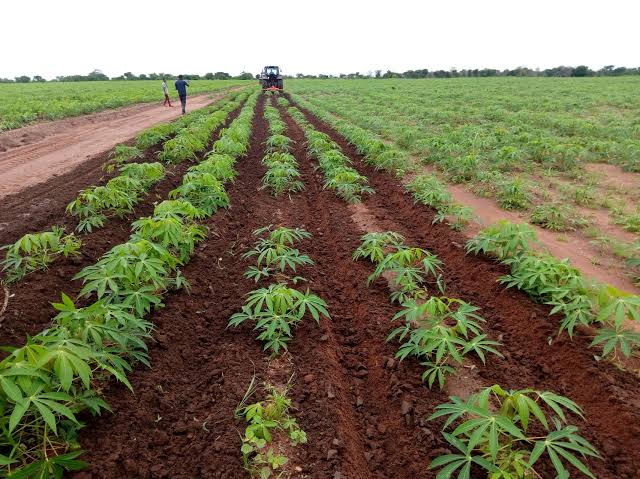
Best Business Models for Young Cassava Farmers in Nigeria
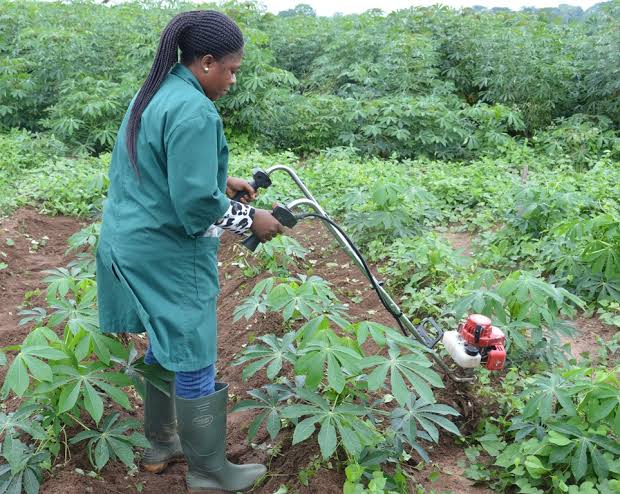
Cassava farming is one of the most profitable agricultural businesses in Nigeria when managed properly. Young people interested in agriculture do not have to rely only on selling fresh cassava roots. There are several business models that can help you earn more income, reduce risk, and build a sustainable farming business.
This guide explains the best business models for young cassava farmers and those planning to start cassava farming.
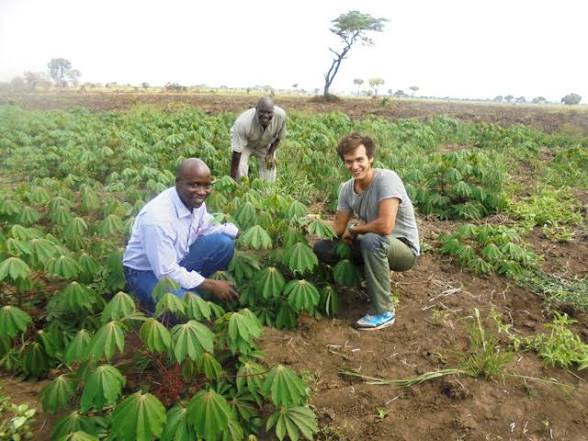
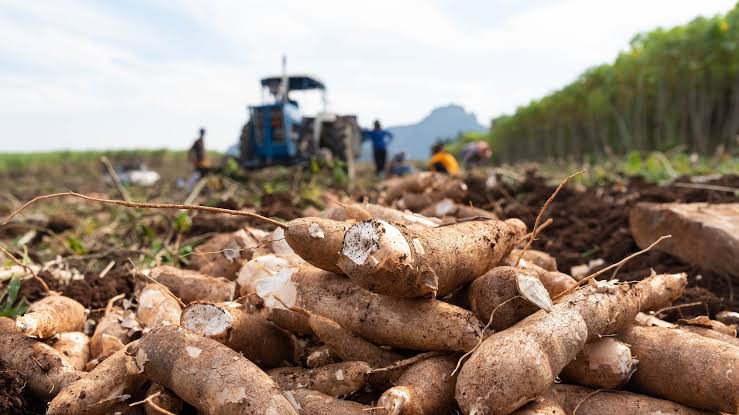
1. Cassava Root Production
The simplest business model is growing cassava and selling the fresh roots to processors, local markets, or food vendors.
Benefits
- Low entry barrier for beginners.
- High demand throughout Nigeria.
- Can start with a small piece of land.
- Opportunity to expand over time.
Best for
- New farmers.
- Farmers with limited capital.
2. Cassava Processing Business
Instead of selling fresh roots, process cassava into products with higher market value.
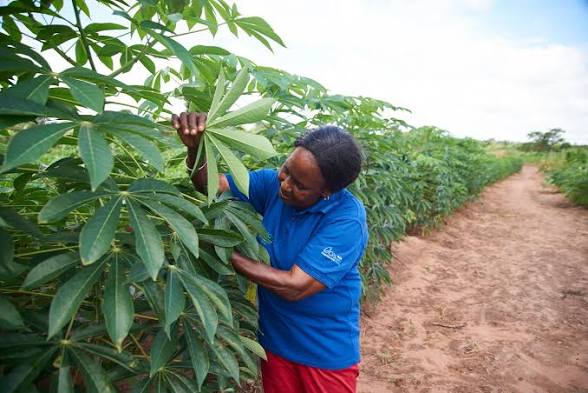
Popular products include:
- Garri
- Fufu
- Cassava flour
- High-quality cassava flour (HQCF)
- Starch
- Tapioca
- Animal feed ingredients
Benefits
- Higher profit margins.
- Longer shelf life.
- Access to larger markets.
- Reduced post-harvest losses.
3. Improved Cassava Stem Production
Healthy cassava stems are always in demand by farmers every planting season.
You can register as a certified seed producer and sell improved planting stems.
Benefits
- Strong seasonal demand.
- Premium selling prices.
- Supports other farmers.
4. Contract Cassava Farming
In this model, you grow cassava for a processing company or buyer under an agreement.
The buyer may provide:
- Improved stems
- Fertilizer
- Technical support
- Guaranteed market
Benefits
- Reduced marketing challenges.
- More stable income.
- Lower business risk.
5. Cassava Cooperative Farming
Young farmers can join or establish a cooperative to combine resources.
Benefits include:
- Shared machinery.
- Lower production costs.
- Easier access to loans.
- Bulk purchasing of farm inputs.
- Stronger bargaining power.
6. Cassava Value Addition Business
Instead of selling raw products, package processed cassava products under your own brand.
Examples include:
- Packaged garri
- Branded cassava flour
- Packaged fufu flour
Benefits
- Higher profits.
- Strong brand recognition.
- Access to supermarkets and online customers.
7. Cassava Mechanization Services
If you own farm equipment, you can provide services to other farmers.
Services include:
- Land clearing
- Ploughing
- Ridging
- Planting
- Harvesting
- Transportation
Benefits
- Earn income even when not harvesting.
- Faster return on investment.
8. Cassava Nursery and Input Supply
You can build a business selling:
- Improved cassava stems
- Fertilizers
- Herbicides
- Insecticides
- Farm tools
Benefits
- Steady customer demand.
- Additional income beyond farming.
9. Integrated Cassava Farming
Combine cassava farming with livestock.
Examples include:
- Cassava + poultry
- Cassava + goats
- Cassava + pigs
- Cassava + fish farming
Cassava leaves and peels can be processed into livestock feed, helping reduce waste.
Benefits
- Multiple income sources.
- Better use of farm resources.
- Lower production costs.
10. Cassava Export Business
Processed cassava products such as starch and cassava flour are exported to international markets.
This business requires:
- High-quality products.
- Proper packaging.
- Meeting export standards.
Benefits
- Higher income.
- Access to international buyers.
- Foreign exchange earnings.
How Young Farmers Can Succeed
- Start with a manageable farm size.
- Use improved cassava varieties.
- Test your soil before planting.
- Apply fertilizers correctly.
- Control weeds early.
- Keep accurate farm records.
- Learn modern farming practices.
- Join farmer associations.
- Build relationships with reliable buyers.
- Reinvest profits to expand your business.
Common Mistakes to Avoid
- Planting poor-quality stems.
- Ignoring soil testing.
- Delaying weed control.
- Harvesting too early.
- Selling without checking market prices.
- Failing to keep financial records.
- Depending on only one source of income.
Final Thoughts
Cassava farming offers many opportunities beyond growing and selling fresh roots. Young farmers can increase their income through processing, value addition, stem multiplication, mechanization services, contract farming, and integrated farming. Choosing the right business model, using modern farming practices, and focusing on quality will help build a profitable and sustainable cassava farming business in Nigeria.
Leave a Reply