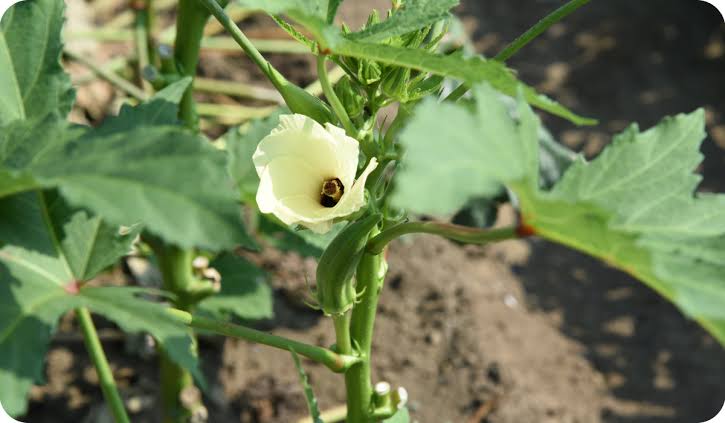
How to Prepare Land for Okra Production (Beginner-Friendly Guide)
Proper land preparation is the foundation of a successful okra farm. It helps the seeds germinate well, reduces weeds, improves soil fertility, and makes management easier. Follow these steps:

1. Choose the Right Location
Okra grows best in:
- Sunny areas – at least 6–8 hours of sunlight daily
- Well-drained soil – okra hates water-logged soil
- Loose, loamy soil – rich in organic matter
If water usually “sits” on your land after rain, consider raised beds or ridges.
2. Clear the Land
Remove:
- Bushes
- Weeds
- Stumps
- Stones
This ensures your plants won’t compete with weeds for nutrients. Burning should be avoided—burning destroys soil nutrients. Instead, you can slash and pack unwanted materials to a compost corner.
3. Plough or Till the Soil

You can use:
- Hoe (small scale)
- Power tiller or tractor (large scale)
Purpose of ploughing:
- Loosens the soil
- Improves root penetration
- Enhances water infiltration
- Mixes organic matter into soil
Okra roots need space, so aim for 20–30 cm depth when tilling.
4. Add Organic Matter
Okra loves fertile soil. Before planting, work in:
- Well-rotted manure
- Poultry droppings (well-dried)
- Compost
- Humus
Spread the manure evenly on the land and mix into the soil during ploughing. Organic matter improves:
- Soil fertility
- Soil structure
- Water-holding capacity
Avoid fresh manure—it can “burn” young plants.

5. Create Ridges or Beds
Depending on rainfall and soil type:
- Raised beds (20–30cm high): best for heavy rainfall or clay soil
- Ridges (70–90 cm apart): common for okra in Nigeria
- Flat beds: okay for sandy soil where water drains easily
Benefits:
- Better drainage
- Easy access for weeding
- Better root development
6. Apply Basal Fertilizer (Optional)
If your soil is not very fertile, you can apply a basal fertilizer before planting.
Recommended:
- NPK 15-15-15: 2–3 bags per acre (or follow soil test advice)
Broadcast lightly and mix it into the topsoil.
Tip: A soil test is always best—it tells you exactly what your soil needs.

7. Irrigation Setup (If Needed)
If dry season:
- Install drip lines
- Use watering cans (small scale)
Okra germinates best in moist soil, not waterlogged soil.
8. Mark Planting Spacing
Spacing matters for good airflow and larger pods.
For okra:
- 60 cm × 30 cm
- Or 70 cm × 40 cm
This allows enough room for each plant to grow and reduces disease.
9. Final Land Preparation Check
Before planting:
- Soil should be loose
- Weeds should be minimal
- Beds/ridges should be firm but not compacted
- Moisture level should be moderate (not too dry or too wet)
Quick Beginner Tips
- Avoid planting okra on soil used heavily for cassava without adding organic matter.
- Don’t create shallow soil beds—okra roots go deep.
- If using herbicide, apply it before planting and follow instructions strictly.
Summary for Young Farmers
Land preparation for okra involves:
- Choosing the right location
- Clearing the land
- Ploughing/tilling
- Adding organic manure
- Making beds or ridges
- Applying fertilizer (optional)
- Setting up irrigation
- Spacing your planting lines
Leave a Reply