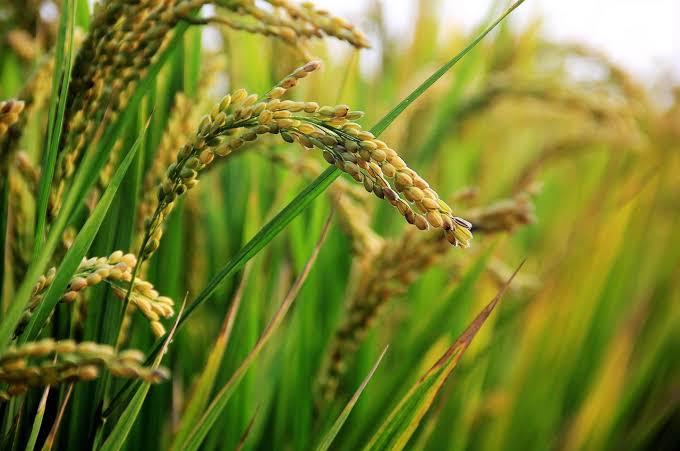
Rice Farming for Beginners in Nigeria
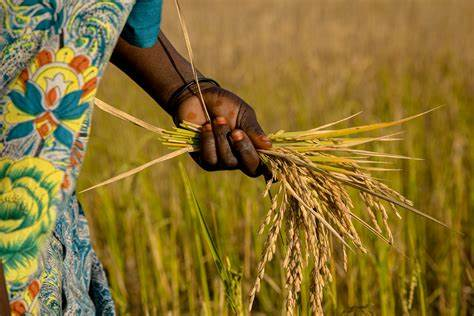
Rice is one of the most consumed foods in Nigeria, making rice farming one of the most profitable agricultural businesses in the country. With the increasing demand for locally produced rice, many young people and aspiring farmers are turning to rice cultivation as a source of income and food security.
If you are new to rice farming, this guide will help you understand the basics and give you the confidence to start your own rice farm.
Why Rice Farming Is Profitable in Nigeria
Nigeria has a large population that consumes rice daily. The demand for locally grown rice continues to increase, creating opportunities for farmers to make good profits. Rice farming also creates employment, supports rural communities, and contributes to the country’s food production.
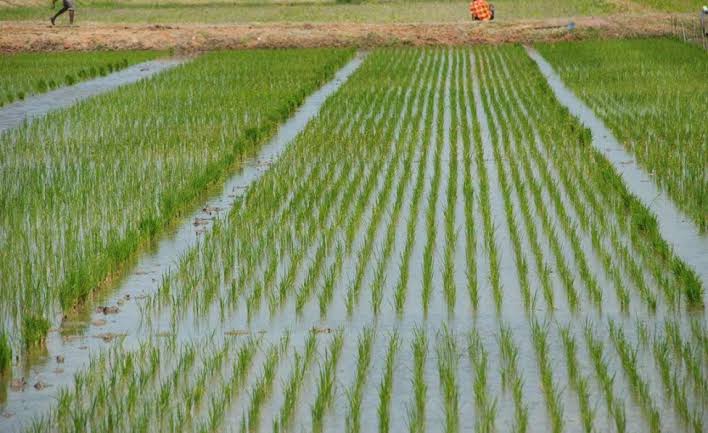
Choose the Right Location
Rice grows best in areas with:
- Fertile soil
- Reliable water supply
- Good rainfall
- Flat or gently sloping land
- Easy access to roads and markets
States such as Kebbi, Niger, Ebonyi, Benue, Kano, Taraba, Adamawa, and Nasarawa are known for large-scale rice production, but rice can also be grown successfully in many other parts of Nigeria with proper management.
Select the Right Rice Variety
Choosing the right seed is one of the most important decisions. Popular rice varieties grown in Nigeria include:
- FARO 44 (SIPI)
- FARO 52 (WITA 4)
- FARO 57
- FARO 66
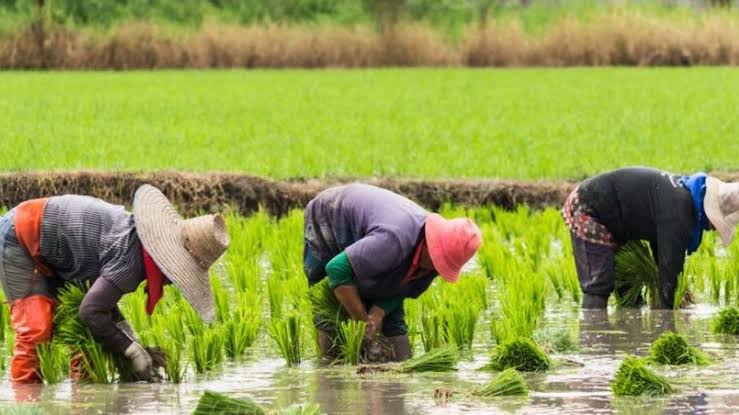
Always buy certified seeds from trusted agricultural suppliers to ensure better yields and resistance to diseases.
Prepare the Land Properly
Good land preparation helps rice grow well.
Steps include:
- Clear bushes and weeds.
- Plough the land.
- Harrow the soil.
- Level the field.
- Create drainage or irrigation channels if necessary.
Proper land preparation improves water management and reduces weed problems.
Plant at the Right Time
For rain-fed farming, planting usually begins when the rainy season is well established.
For irrigated farming, rice can be grown almost throughout the year if enough water is available.
Planting at the right time helps achieve better germination and higher yields.
Apply Fertilizer Correctly
Rice needs nutrients to grow well.
Common fertilizers include:
- NPK fertilizer during early growth.
- Urea fertilizer during later growth stages.
Apply fertilizer according to recommendations from your local agricultural extension officer to avoid waste and improve production.
Control Weeds
Weeds compete with rice for nutrients, water, and sunlight.
Control weeds by:
- Hand weeding.
- Mechanical weeding.
- Using approved herbicides.
Early weed control can significantly increase rice yields.
Protect Against Pests and Diseases
Common pests include birds, stem borers, grasshoppers, and rodents.
Common diseases include rice blast and bacterial leaf blight.
Regularly inspect your farm and use recommended pesticides or disease management practices when necessary. Good farm hygiene also reduces disease outbreaks.
Water Management
Rice requires adequate moisture throughout most of its growth.
Avoid:
- Excess flooding.
- Long periods of drought.
Good water management improves grain quality and overall harvest.
Harvest at the Right Time
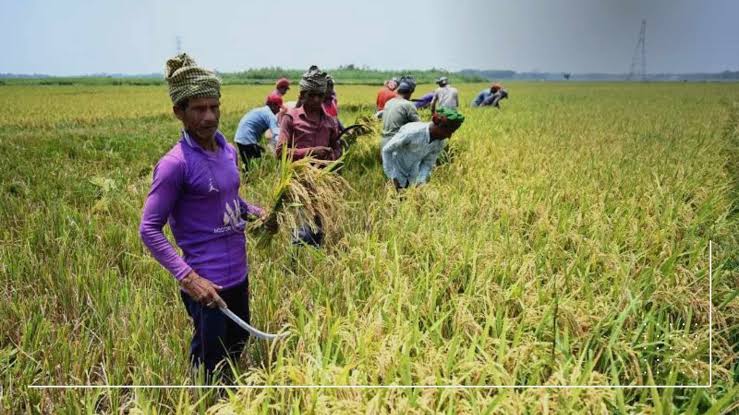
Rice is ready for harvest when:
- Most grains turn golden yellow.
- The moisture content is low enough for harvesting.
- The grains become hard.
Harvesting too early or too late can reduce both quality and profit.
Drying and Storage
After harvesting:
- Dry the rice properly under the sun or with mechanical dryers.
- Store it in clean, dry bags.
- Keep it in a cool, well-ventilated store.
- Protect it from insects and moisture.
Proper storage prevents post-harvest losses.
Marketing Your Rice
You can sell your rice to:
- Local markets.
- Rice millers.
- Wholesalers.
- Retailers.
- Food processing companies.
- Government agricultural programmes.
Building relationships with regular buyers can help you secure better prices.
Challenges of Rice Farming
Like every business, rice farming has challenges, including:
- Unpredictable weather.
- High input costs.
- Pest and disease attacks.
- Limited access to finance.
- Poor road networks.
- Market price fluctuations.
Planning ahead and using good farming practices can reduce these challenges.
Tips for Beginner Rice Farmers
- Start with a manageable farm size.
- Use certified rice seeds.
- Learn from experienced farmers.
- Keep records of your expenses and harvest.
- Join a farmers’ cooperative.
- Attend agricultural training programmes.
- Practice proper weed, water, and pest management.
- Reinvest part of your profits to expand your farm.
Conclusion
Rice farming offers excellent opportunities for young Nigerians and anyone interested in agriculture. With proper planning, quality seeds, good farm management, and patience, beginners can build a successful and profitable rice farming business.
Every successful rice farmer started as a beginner. Learn continuously, apply modern farming techniques, and remain committed to producing quality rice that meets the growing demand across Nigeria.
Leave a Reply