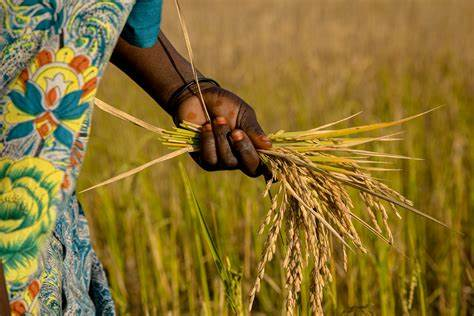
Types of Rice Grown in Nigeria
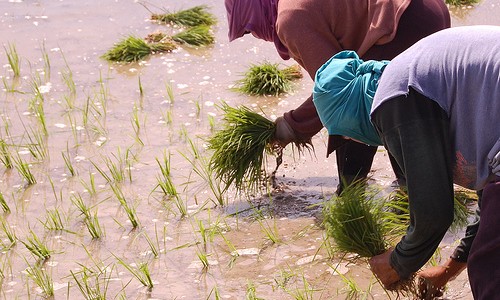
Rice is one of the most important food crops in Nigeria. It is consumed daily by millions of people, making rice farming one of the most profitable agricultural businesses in the country. Before starting a rice farm, every young farmer should understand the different types of rice grown in Nigeria and choose the right variety for their location, climate, and market demand.
Why Choosing the Right Rice Variety Matters
Selecting the right rice variety can determine the success of your farming business. A good variety can provide:
- Higher grain yield
- Better resistance to diseases and pests
- Faster maturity
- Better market value
- Improved tolerance to drought or flooding
Understanding these differences helps farmers reduce losses and increase profits.
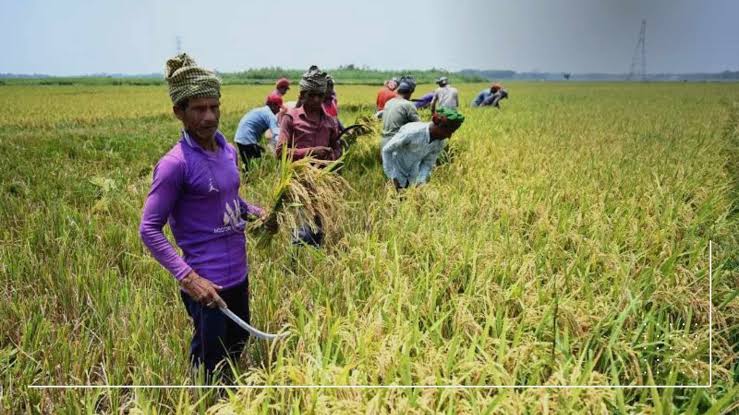
1. FARO Rice Varieties
FARO varieties are the most popular rice varieties grown in Nigeria. They were developed and released to help farmers achieve better yields and improve food security.
Some common FARO varieties include:
FARO 44 (SIPI)
FARO 44 is one of the most widely cultivated rice varieties in Nigeria.
Features:
- High yield potential
- Good grain quality
- Medium maturity period
- Suitable for irrigated and rain-fed lowland farming
- Popular among commercial farmers
FARO 52 (WITA 4)
FARO 52 is another popular variety due to its excellent grain quality.
Benefits:
- High market demand
- Good cooking quality
- Resistant to some common rice diseases
- Produces excellent yields with proper management
FARO 57
FARO 57 performs well in many rice-growing areas.
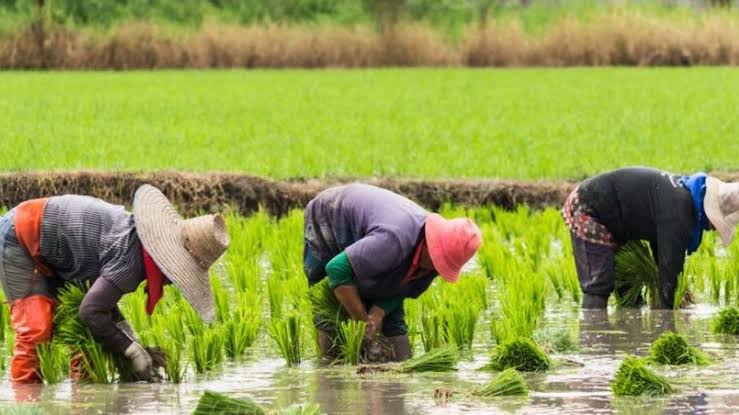
Advantages:
- Early maturity
- High productivity
- Good grain appearance
- Adaptable to different growing conditions
FARO 59
FARO 59 is preferred by many farmers because of its excellent performance.
Features:
- High yield
- Strong disease resistance
- Good grain quality
- Suitable for commercial rice production
2. Local Rice Varieties
Many communities in Nigeria still cultivate traditional local rice varieties.
Advantages:
- Well adapted to local environments
- Some varieties have excellent taste and aroma
- Seeds are often easier to obtain locally
Disadvantages:
- Lower yields than improved varieties
- Longer maturity period
- More susceptible to pests and diseases
3. Upland Rice Varieties
Upland rice is grown on dry land without standing water.
These varieties are suitable for areas with good rainfall and well-drained soils.
Benefits:
- Requires less water
- Lower cost of irrigation
- Easier land preparation
- Suitable for many small-scale farmers
4. Lowland Rice Varieties
Lowland rice is cultivated in fields that retain water during the growing season.
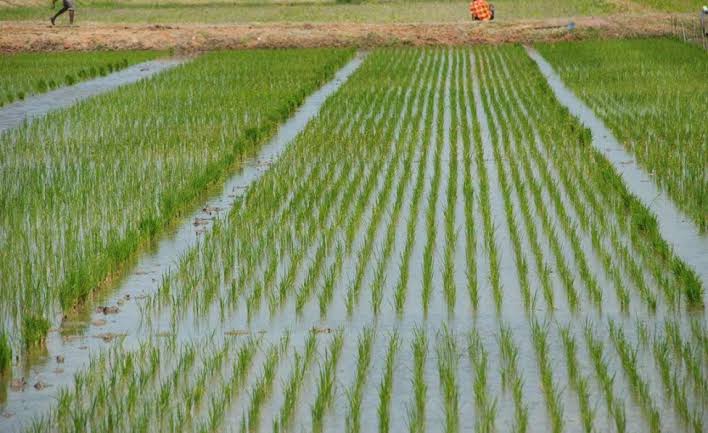
It is the most common production system in Nigeria.
Advantages:
- Higher yield potential
- Better nutrient availability
- Suitable for mechanized farming
- Widely accepted in the market
5. Irrigated Rice Varieties
These varieties are grown using irrigation systems, allowing farmers to produce rice during both the rainy and dry seasons.
Benefits:
- Year-round production
- Higher productivity
- Better control of water supply
- More stable yields
6. Flood-Tolerant Rice Varieties
Some improved rice varieties can survive temporary flooding.
These are recommended for farmers in flood-prone areas.
Advantages:
- Better survival during heavy rainfall
- Reduced crop loss
- Improved harvest even in difficult seasons
7. Drought-Tolerant Rice Varieties
These varieties perform well in areas where rainfall is irregular.
They are suitable for regions experiencing dry spells.
Benefits:
- Better survival during water shortages
- Stable production
- Reduced risk of crop failure
Best Rice Varieties for Commercial Farming
If your goal is commercial rice production, consider varieties that offer:
- High yield potential
- Strong resistance to diseases
- Early maturity
- Good grain quality
- High market demand
Many successful Nigerian farmers cultivate improved FARO varieties because they combine these qualities.
How to Choose the Best Rice Variety
Before buying seeds, consider:
- Your farming location
- Soil type
- Rainfall pattern
- Availability of irrigation
- Disease pressure in your area
- Market preference
- Seed availability from certified suppliers
Choosing certified seeds ensures better germination, healthier plants, and higher yields.
Tips for New Rice Farmers
- Buy certified seeds from reputable agricultural suppliers.
- Plant at the recommended time for your area.
- Prepare the land properly before planting.
- Apply fertilizer based on soil needs and recommended rates.
- Control weeds early to reduce competition.
- Monitor for pests and diseases throughout the season.
- Harvest at the right maturity stage to maintain grain quality.
Conclusion
Nigeria offers excellent opportunities for profitable rice farming. Understanding the different rice varieties is one of the first steps to success. Improved varieties such as FARO 44, FARO 52, FARO 57, and FARO 59 generally provide higher yields, better disease resistance, and greater market value than many traditional varieties. By selecting the right variety and following good farming practices, young farmers and new investors can build a successful and sustainable rice farming business in Nigeria.
Leave a Reply