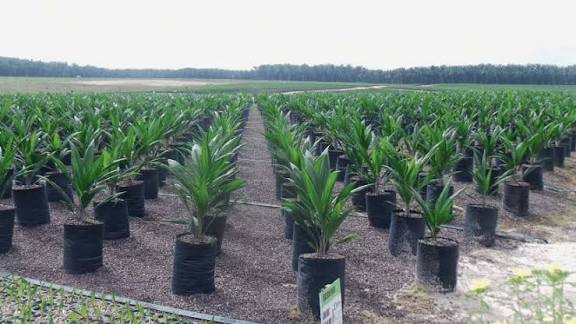
If you’re a new farmer planning to start oil palm farming, one of the most important factors that determine your plantation’s success is proper spacing. The distance between each oil palm tree directly affects the growth, yield, and ease of management of your farm.
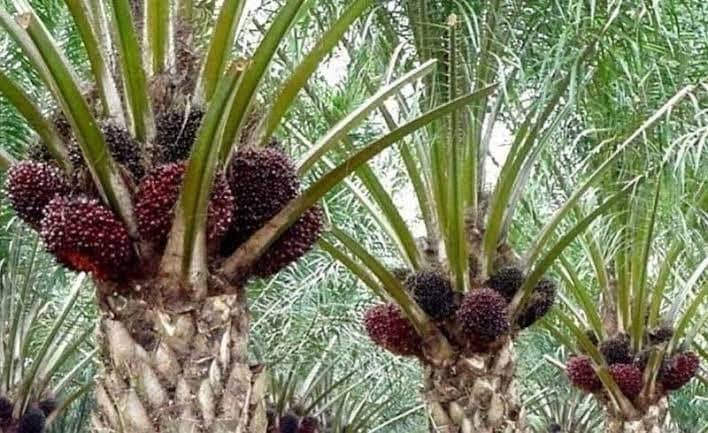
What Is Oil Palm Spacing?
Oil palm spacing refers to the distance maintained between oil palm trees during planting. Proper spacing ensures that each tree gets enough sunlight, nutrients, and water without competing with others. Poor spacing can lead to overcrowding, low yields, and increased pest and disease attacks.
Recommended Oil Palm Spacing
The recommended spacing for oil palm depends on the planting pattern you choose. The two most common methods are:
1. Triangular (Equilateral) Planting Pattern
- Spacing: 9 meters × 9 meters × 9 meters
- Plant population: Approximately 143 palms per hectare
- Benefits: Maximizes land use and sunlight penetration.
- Best for: Commercial oil palm plantations.
2. Square Planting Pattern
- Spacing: 9 meters × 9 meters
- Plant population: Around 123 palms per hectare
- Benefits: Easier for field maintenance and harvesting.
- Best for: Smallholder farmers.
Tip: Always leave buffer spaces (paths or access roads) every 100 meters for easy movement and transportation during harvesting.
Why Proper Spacing Matters
- Better Root Development: Each palm gets enough space to develop strong roots.
- Improved Sunlight Exposure: Ensures even canopy formation and fruiting.
- Reduced Competition: Trees do not fight for soil nutrients and water.
- Higher Fruit Yield: Properly spaced palms produce more fresh fruit bunches (FFB).
- Ease of Farm Management: Makes weeding, fertilizer application, and harvesting easier.
Factors That Can Affect Spacing Decisions
- Soil fertility: Fertile soils can support closer spacing, while poor soils need wider spacing.
- Rainfall level: In areas with low rainfall, wider spacing helps conserve water.
- Terrain: Sloppy or hilly lands may require adjusting spacing to prevent erosion.
- Seed variety: Hybrid oil palms may need slightly different spacing based on growth rate and size.
Expected Oil Palm Yield per Hectare
The yield of oil palm largely depends on the quality of seedlings, farm management, and spacing.
For Well-Managed Hybrid Oil Palm:
- Year 3–4: 4–6 tonnes of FFB per hectare
- Year 5–10: 20–25 tonnes of FFB per hectare
- After Year 10: Up to 30 tonnes of FFB per hectare with proper management
Each hectare can produce 3–5 tonnes of crude palm oil (CPO) annually.
Expert Tips for New Oil Palm Farmers
- Use hybrid seedlings for higher yield and faster maturity.
- Mark your field properly using pegs before planting to ensure equal spacing.
- Apply organic manure or NPK fertilizer regularly to promote growth.
- Weed regularly to reduce competition for nutrients.
- Monitor for pests and diseases such as leaf miner or crown disease early.
Conclusion
Proper oil palm spacing and management are the foundations of a productive plantation. When you follow the right spacing — 9m × 9m triangular or square pattern — and use quality hybrid seedlings, your oil palm farm can generate high yields and long-term profit for over 25 years.
Leave a Reply