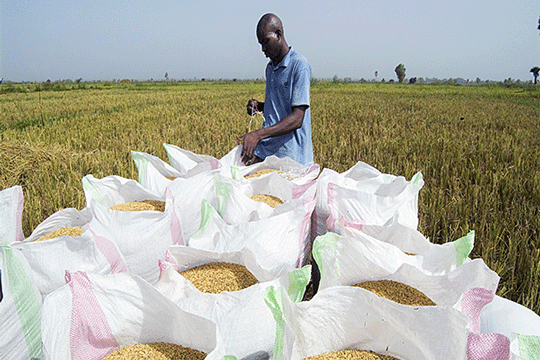
Rice Farming Business Opportunities in Nigeria
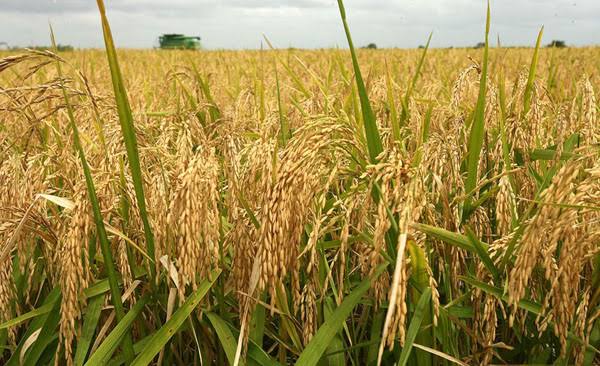
Rice farming is one of the most profitable agricultural businesses in Nigeria. As the country’s population continues to grow, the demand for rice increases every year. Millions of Nigerians eat rice daily, creating a huge market for local farmers. For young people looking for a sustainable business, rice farming offers excellent opportunities to earn income, create jobs, and contribute to Nigeria’s food security.
Why Rice Farming Is a Great Business in Nigeria
Nigeria is one of Africa’s largest consumers of rice. Although local production has increased significantly, the country still imports rice to meet demand. This means there is plenty of room for new farmers to enter the industry and make good profits.
With proper planning, quality seeds, and good farming practices, rice farming can provide a steady source of income for individuals, families, and communities.
Importance of Going Into Rice Farming
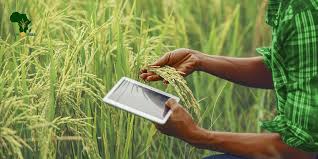
1. High Demand All Year Round
Rice is one of the most consumed foods in Nigeria. Hotels, restaurants, households, schools, and event centers buy rice every day, ensuring a constant market for farmers.
2. Good Profit Potential
Rice farming can be highly profitable when managed properly. Farmers who use improved seed varieties, apply fertilizer correctly, and control weeds and pests often achieve higher yields and better returns.
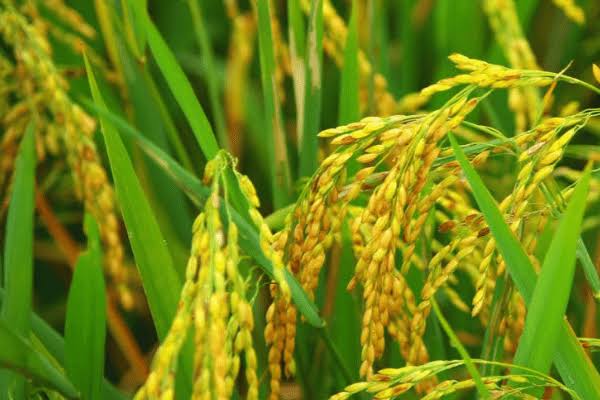
3. Job Creation
Rice farming creates employment opportunities for:
- Farm workers
- Tractor operators
- Seed suppliers
- Fertilizer dealers
- Transporters
- Rice mill operators
- Traders and marketers
One successful rice farm can support many people within the community.
4. Food Security
Growing more rice locally helps reduce dependence on imported rice and strengthens Nigeria’s food supply.
5. Government Support
The Nigerian government and various agricultural programs often support rice farmers through training, improved seeds, fertilizer distribution, and access to agricultural loans.
6. Export Opportunities
As production improves, high-quality Nigerian rice has the potential to reach international markets, creating additional income opportunities.
Business Opportunities in Rice Farming
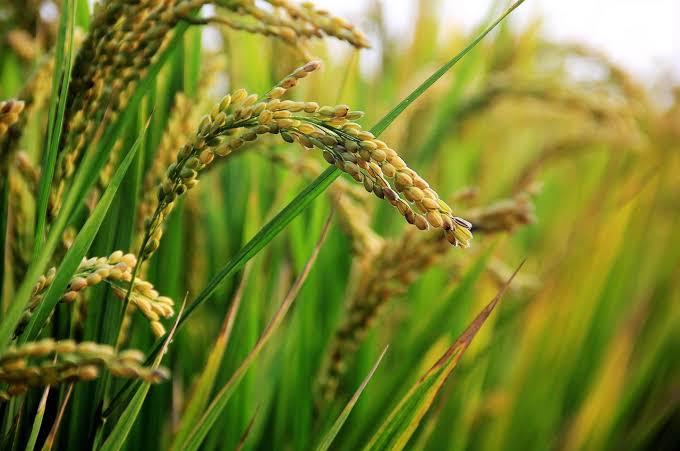
Rice farming is much more than planting rice. There are many profitable businesses within the rice value chain.
Rice Production
Growing paddy rice remains the foundation of the business and offers excellent income opportunities.
Seed Production
Farmers can specialize in producing certified rice seeds for other farmers.
Rice Milling
Converting paddy rice into polished rice adds value and increases profits.
Rice Packaging
Properly packaged local rice attracts supermarkets, retailers, and urban consumers.
Rice Distribution
Buying rice from farmers and supplying wholesalers, retailers, and markets can be a profitable business.
Rice Storage
Providing storage facilities allows farmers and traders to preserve rice and sell when prices improve.
Farm Mechanization Services
Owning tractors, harvesters, threshers, or planters allows entrepreneurs to provide services to other farmers for a fee.
Fertilizer and Agrochemical Sales
Selling quality farm inputs is another profitable business linked to rice farming.
Skills Every Rice Farmer Should Learn
To succeed, every rice farmer should understand:
- Land preparation
- Nursery management (where applicable)
- Proper planting techniques
- Weed control
- Fertilizer application
- Pest and disease management
- Water management
- Harvesting at the right time
- Proper drying and storage
Continuous learning helps improve productivity and profits.
Challenges of Rice Farming
Like every business, rice farming has challenges:
- High cost of farm inputs
- Climate change and irregular rainfall
- Flooding in some areas
- Pest and disease attacks
- Limited access to finance
- Poor storage facilities
- Price fluctuations
These challenges can be reduced through good planning, improved farming practices, crop insurance where available, and participation in farmer cooperatives.
Tips for Young Farmers
If you are just starting:
- Start with a farm size you can manage.
- Use improved seed varieties.
- Keep proper farm records.
- Join a farmers’ cooperative.
- Learn from experienced farmers.
- Attend agricultural training programs.
- Reinvest part of your profits into expanding your farm.
- Use modern farming techniques to increase yields.
The Future of Rice Farming in Nigeria
The future of rice farming in Nigeria is promising. As the population grows and demand for locally produced food increases, rice farmers will continue to play an important role in feeding the nation. Advances in irrigation, mechanization, improved seed varieties, and modern farming methods are making rice farming more productive and profitable than ever before.
Conclusion
Rice farming is one of the best agricultural investment opportunities in Nigeria. It offers a reliable market, strong income potential, job creation, and the chance to contribute to national food security. For young people seeking a rewarding career or business, rice farming provides a practical path to financial independence and long-term success. With dedication, proper knowledge, and good farm management, anyone can build a profitable and sustainable rice farming business in Nigeria.
Leave a Reply