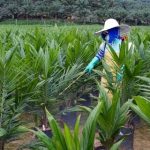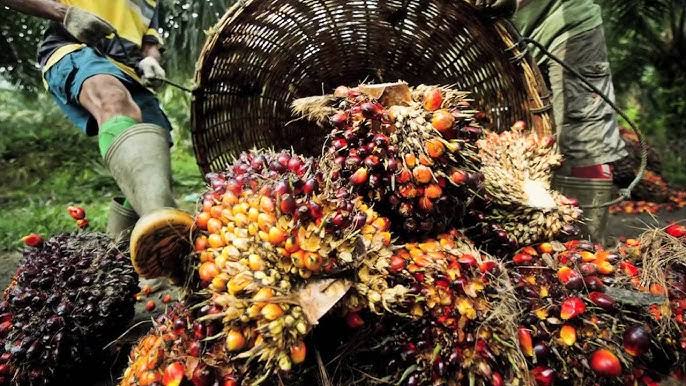

Palm oil farming is one of the most profitable agricultural ventures in Nigeria, but success begins with proper seedling cultivation. Healthy and high-yielding palm trees depend on how well their seedlings are raised. In this article, we’ll educate farmers on how to successfully cultivate palm oil seedlings.
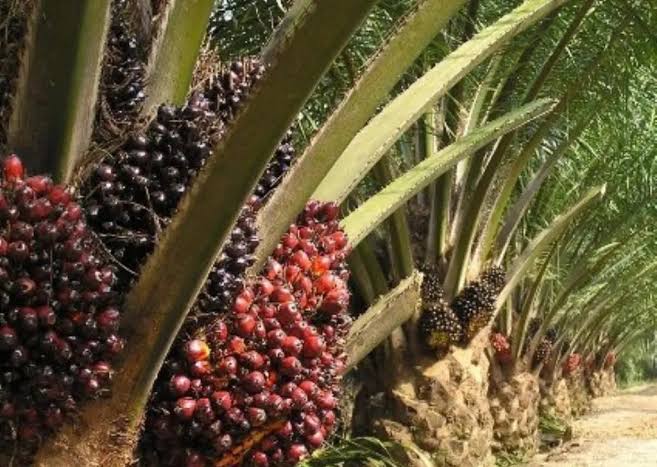
What Is Palm Oil Seedling Cultivation?
Palm oil seedling cultivation is the process of growing oil palm seeds into healthy young plants ready for transplanting into the main plantation. This stage determines your future yield, oil quality, and plantation lifespan.
Step 1: Choosing the Right Palm Oil Seeds
The first step to success is selecting high-quality hybrid seeds from certified research centers like:
- NIFOR (Nigerian Institute for Oil Palm Research)
- Presco Plc
- Okomu Oil Palm Company
These hybrid seeds grow faster, resist diseases, and produce more fruit. Avoid buying from uncertified sources, as poor-quality seeds reduce yield potential.
Step 2: Setting Up a Nursery Site
You need a well-drained, flat land close to a water source. Avoid flood-prone areas. There are two nursery stages:
- Pre-nursery stage (0–3 months)
- Use small polyethylene bags (15cm × 23cm).
- Fill with topsoil rich in organic matter.
- Water daily and provide light shade to protect seedlings from strong sun.
- Main nursery stage (4–12 months)
- Transplant pre-nursery seedlings into larger bags (40cm × 45cm).
- Arrange in rows for easy watering and inspection.
- Maintain a spacing of 90cm × 90cm between seedlings.
Step 3: Watering and Fertilization
Consistent watering is key. Water daily, especially during dry seasons.
Apply organic manure or NPK fertilizer (15:15:15) every 4–6 weeks to promote strong root and leaf development.
Step 4: Weed and Pest Control
- Regularly remove weeds to prevent competition for nutrients.
- Watch out for pests like grasshoppers, beetles, and rodents.
- Use eco-friendly insecticides and maintain good sanitation around the nursery.
Step 5: Hardening and Transplanting
Before transplanting to the field:
- Harden seedlings for 2–3 weeks by reducing watering and shade gradually.
- Ensure seedlings are 12–14 months old with 15–20 healthy leaves.
- Transplant at the start of the rainy season for better survival.
Common Mistakes Farmers Make
- Using uncertified seeds
- Overwatering or underwatering
- Planting in poorly drained soil
- Ignoring pest and disease management
Avoiding these mistakes increases your chances of establishing a productive palm oil plantation.
Benefits of Proper Palm Oil Seedling Cultivation
- Faster growth rate
- Early fruiting (from 3 years)
- Higher oil yield per hectare
- Resistance to diseases and harsh weather
Final Thoughts
Successful palm oil seedling cultivation is the foundation of a profitable oil palm business. With the right seeds, proper nursery management, and regular care, farmers in Nigeria can achieve high yields and sustainable income from palm oil production.