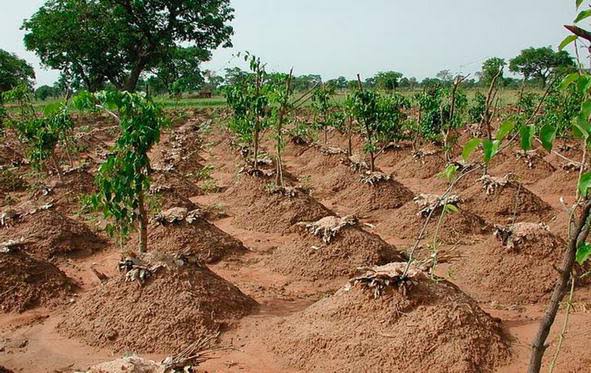

As a young yam farmer in Nigeria, one of the important practices you need to learn after planting your yam is covering the ridges with leaves or organic materials. This simple step helps your yam grow well and increases your overall yield. Let’s understand why this is important and how it benefits your farm.
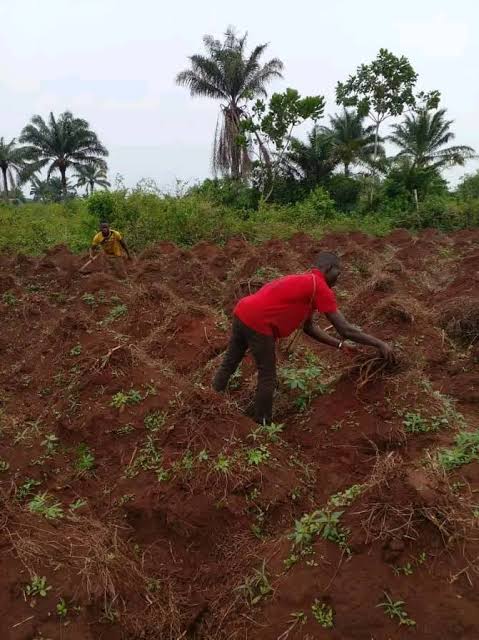
1. Helps Retain Soil Moisture
Covering your yam ridges with leaves helps prevent direct sunlight from drying out the soil. Yams need moisture to sprout and grow strong roots. The leaves act like a natural shade, keeping the soil cool and moist for a longer time.
2. Prevents Weed Growth
When you cover your ridges, you reduce the number of weeds that grow around your yam mounds. Weeds compete with your yam plants for nutrients and water. By covering the ridges, you make it harder for weeds to germinate.
3. Adds Organic Nutrients to the Soil
As the leaves decompose, they turn into organic manure. This adds natural nutrients back to the soil, improving its fertility. Healthy soil means healthier yam tubers and better yields.
4. Protects Young Yam Shoots
When rain falls heavily, it can wash away the soil or damage young yam sprouts. Covering the ridges with leaves helps protect the tender shoots and prevents erosion.
5. Improves Soil Structure
Over time, the decomposed leaves make the soil softer and more fertile, allowing yam tubers to expand freely underground. This leads to bigger and better-shaped yams during harvest.
Conclusion
Covering your yam ridges with leaves or organic materials after planting is a simple but powerful farming practice. It helps retain moisture, control weeds, enrich the soil, and protect your plants. As a young yam farmer, adopting this method can greatly improve your farm productivity and help you achieve a successful yam harvest.