Broad Breasted White Turkey: A Complete Guide for Young Turkey Farmers
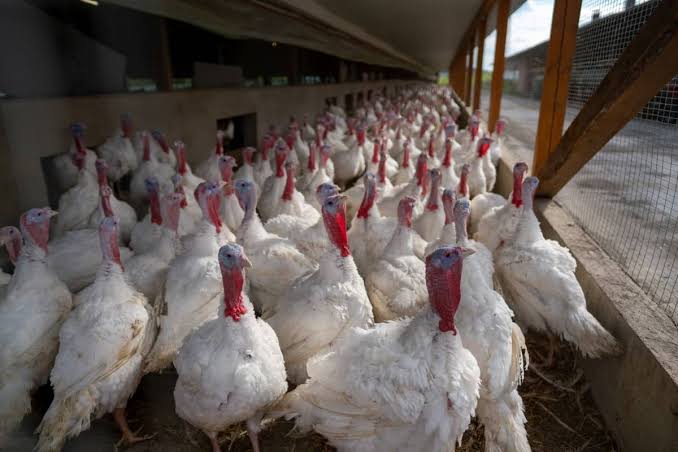
The Broad Breasted White turkey is one of the most popular turkey breeds used for commercial meat production around the world. It is widely raised because of its fast growth rate, large body size, and high meat yield. Many young farmers and beginners in turkey farming prefer this breed because it grows quickly and can generate good profits when managed properly.
This breed is commonly seen in commercial turkey farms and is highly demanded during festive periods such as Christmas, New Year celebrations, weddings, and special occasions.
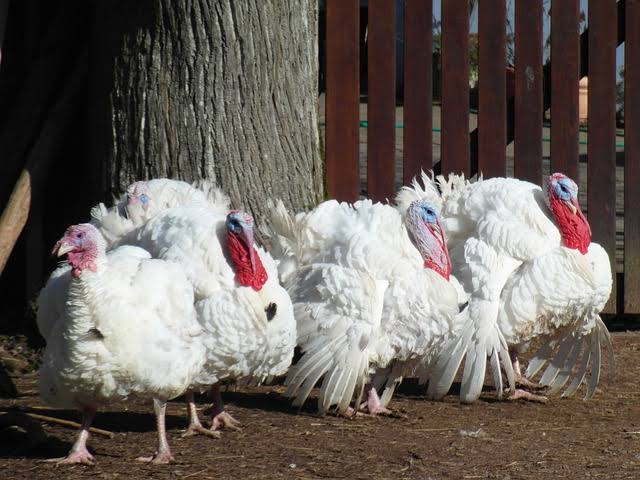
For young farmers who want to go into turkey farming, learning about the Broad Breasted White turkey is very important because it is one of the best breeds for meat production.
Characteristics of Broad Breasted White Turkey
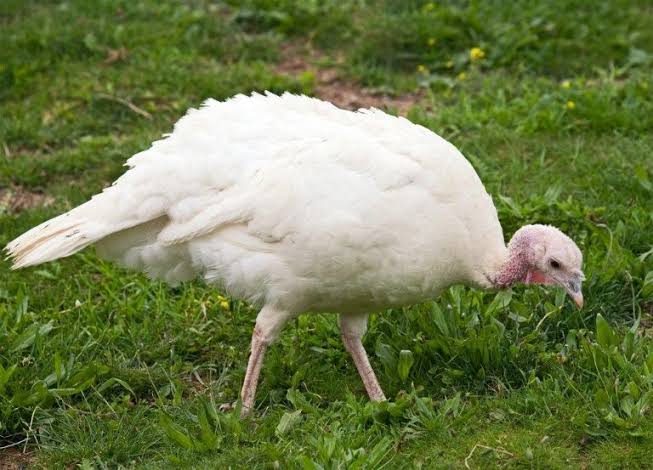
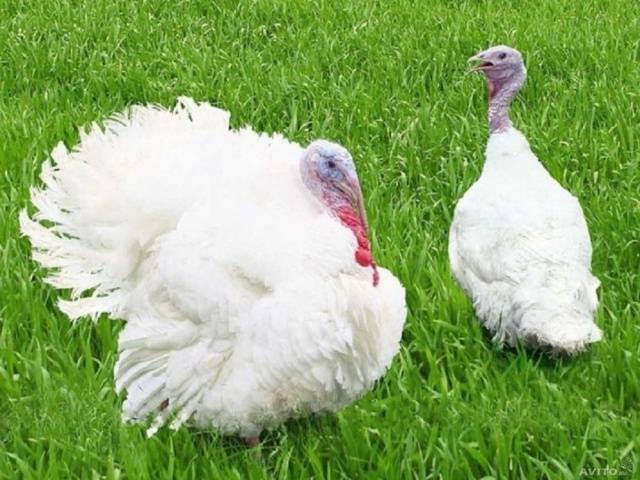
Broad Breasted White turkeys have unique features that make them different from local turkey breeds.
Main Characteristics
- White feathers
- Large body size
- Fast growth rate
- Heavy breast meat
- Calm temperament
- High feed conversion efficiency
Male turkeys are called “Toms,” while female turkeys are called “Hens.”
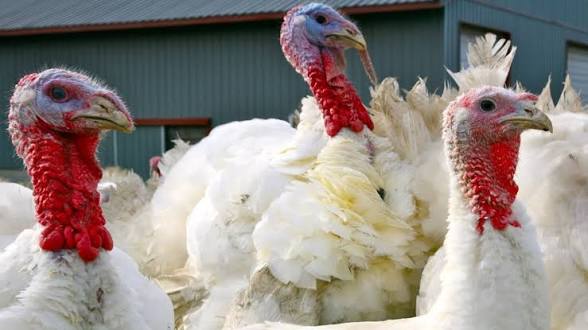
A mature tom can weigh between 15–25 kg or more, while hens may weigh between 8–12 kg depending on management and feeding.
Advantages of Raising Broad Breasted White Turkey
1. Fast Growth Rate
This breed grows very quickly compared to local turkey breeds. Farmers can start selling them within a few months.
2. High Meat Production
Broad Breasted White turkeys produce a large amount of meat, especially breast meat, which is highly valued in the market.
3. Good Market Demand
Hotels, restaurants, supermarkets, and families buy turkeys regularly, especially during festive seasons.
4. Profitable Farming Business
With proper management, turkey farming can become a profitable business for young entrepreneurs.
5. Easy to Manage
When proper feeding, vaccination, and hygiene are maintained, these birds are relatively easy to rear.
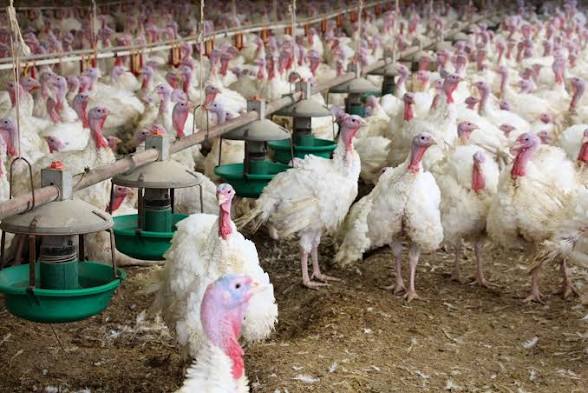
Housing for Broad Breasted White Turkeys
Proper housing is important for healthy turkey production.
Important Housing Tips
- Provide good ventilation
- Keep the house dry and clean
- Prevent overcrowding
- Use clean wood shavings or dry litter
- Protect birds from rain and cold weather
- Ensure enough space for movement
Turkey poults are very sensitive during their early weeks, so brooding management must be handled carefully.
Feeding Broad Breasted White Turkeys
Feeding plays a major role in turkey growth and profitability.
Feeding Stages
Starter Feed (0–6 Weeks)
- High protein feed
- Helps fast growth and strong immunity
Grower Feed (7–12 Weeks)
- Supports body development
- Balanced nutrients required
Finisher Feed (13 Weeks and Above)
- Increases weight gain
- Improves meat production
Always provide:
- Clean drinking water
- Fresh feed
- Vitamins and minerals when necessary
Poor feeding can reduce growth and increase disease problems.
Brooding Turkey Poults
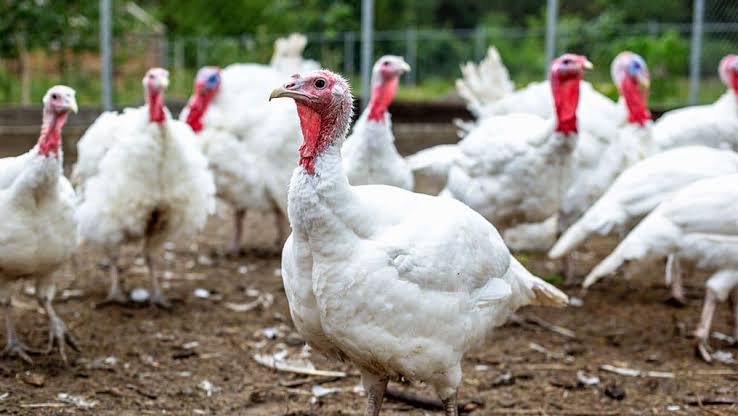
Young turkey poults require special care during the first few weeks.
Brooding Tips
- Keep the brooder warm
- Use clean waterers and feeders
- Avoid cold floors
- Monitor poults daily
- Remove weak or sick birds immediately
Good brooding management reduces mortality and improves survival rates.
Common Diseases in Broad Breasted White Turkeys
Turkeys can suffer from diseases if proper hygiene is not maintained.
Common Turkey Diseases
- Newcastle disease
- Fowl pox
- Coccidiosis
- Blackhead disease
- Worm infestation
Prevention Tips
- Vaccinate regularly
- Keep housing clean
- Avoid overcrowding
- Provide clean water
- Isolate sick birds quickly
Disease prevention is cheaper than treatment.
Marketing Broad Breasted White Turkeys
Turkey meat is highly demanded in many places.
Potential Buyers
- Hotels
- Restaurants
- Event centers
- Supermarkets
- Families during festive periods
Farmers can make more profit during Christmas and New Year celebrations when turkey demand increases greatly.
Challenges of Turkey Farming
Young farmers should also understand some challenges involved in turkey farming.
Common Challenges
- High feed cost
- Disease outbreaks
- Poor management
- Heat stress
- Expensive poults
However, with proper knowledge and planning, these challenges can be managed successfully.
Tips for Young Turkey Farmers
1. Start Small
Begin with a manageable number of birds and expand gradually.
2. Learn Continuously
Attend training programs, read farming articles, and learn from experienced farmers.
3. Maintain Cleanliness
Good hygiene helps reduce disease outbreaks.
4. Keep Records
Record feed costs, medication, mortality, and sales.
5. Focus on Quality Feeding
Healthy birds grow faster and produce better profits.
Conclusion
Broad Breasted White turkey farming is a profitable agricultural business for young farmers and entrepreneurs who want to go into livestock production. This breed grows fast, produces high-quality meat, and has strong market demand.
Success in turkey farming depends on proper feeding, good housing, vaccination, hygiene, and proper management practices. Young farmers who invest time in learning modern turkey farming methods can build a successful and sustainable poultry business.
Turkey farming not only provides income but also contributes to food production and employment opportunities in many communities.
Leave a Reply