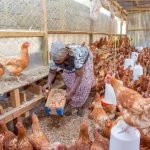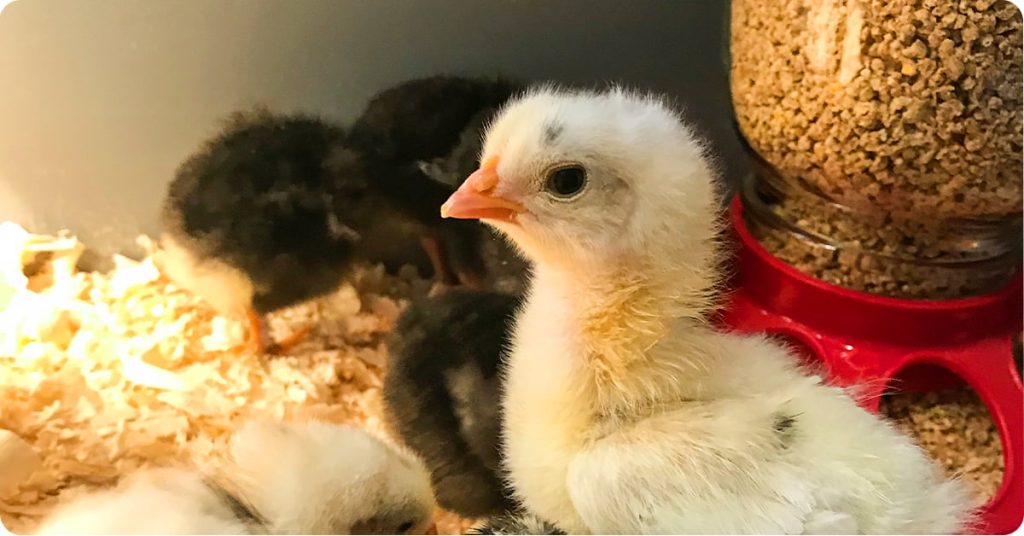

Every poultry farmer dreams of raising healthy, fast-growing chicks that mature into productive layers or broilers. The first few weeks after hatching are the most critical period for chicks, as proper care, feeding, and management determine their growth rate and survival. In this article, you’ll learn how to make day-old chicks grow fast, stay healthy, and become profitable for your poultry business — following practical farming.
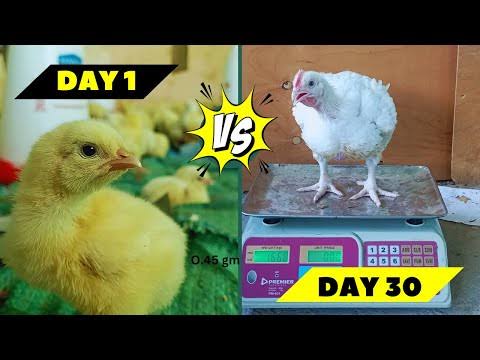
1. Start With Healthy Day-Old Chicks
Growth begins with quality stock. Always buy your day-old chicks from reputable hatcheries known for healthy parent stock and vaccination records.
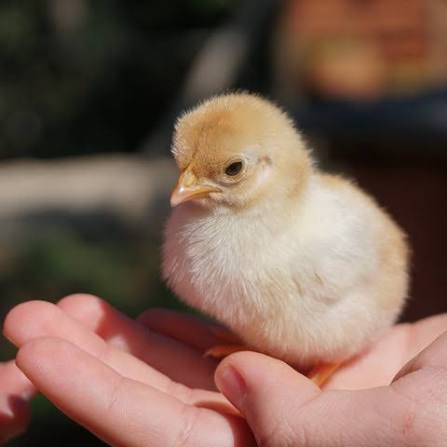
- Check for signs of healthy chicks: active movement, bright eyes, clean vents, and dry, fluffy feathers.
- Avoid weak or sleepy chicks, as they often struggle to survive or grow slowly.
Pro tip: Ask for the hatchery’s vaccination schedule and health certificate before purchase.
2. Maintain Proper Brooding Temperature
Temperature management is key for fast growth. Chicks cannot regulate their body temperature for the first few weeks.
- First week: Maintain 32–35°C (90–95°F).
- Reduce temperature by 2–3°C each week until they are fully feathered.
- Watch their behavior:
- Chicks crowding together mean they are cold.
- Chicks moving away from the heat source mean it’s too hot.
- Chicks spread evenly — perfect condition.
Use a brooder guard to keep them close to warmth and prevent chilling.
3. Provide Balanced and Quality Feed
Feed is the foundation of growth.
- Start with high-quality chick starter feed (20–24% crude protein).
- Ensure the feed contains essential vitamins, amino acids, calcium, and energy.
- Feed small amounts regularly and always keep feed fresh and dry.
- Avoid moldy or expired feeds — they cause poor growth and disease.
Optional: Add growth-promoting supplements such as multivitamins and probiotics as advised by a vet.
4. Clean and Fresh Water Always
Water is life. Chicks need constant access to clean, fresh, and cool water.
- Change water at least 2–3 times daily.
- Add vitamins and electrolytes to water during the first week to reduce stress and boost immunity.
- Use clean drinkers to avoid contamination and diseases like coccidiosis.
5. Maintain Good Brooder Hygiene
Unhygienic conditions lead to diseases that slow growth.
- Clean the brooder daily and remove wet litter.
- Disinfect drinkers and feeders regularly.
- Replace litter (wood shavings or rice husks) every few days to prevent ammonia buildup.
- Limit visitors to reduce disease spread.
6. Provide Enough Space and Ventilation
Overcrowding can cause stress, poor feed intake, and slow growth.
- Allow at least 0.5 square feet per chick during the first few weeks.
- Ensure proper ventilation to supply fresh air and reduce heat stress.
- Avoid direct cold wind or strong drafts.
7. Follow Vaccination and Health Programs
Healthy chicks grow faster.
- Follow your hatchery’s vaccination schedule (usually for Newcastle, Gumboro, and Marek’s disease).
- Observe your chicks daily for signs of illness like drooping wings or watery droppings.
- Consult a qualified vet for treatment or advice.
8. Minimize Stress
Stress can slow growth and weaken immunity.
- Handle chicks gently during feeding or vaccination.
- Maintain a stable brooder environment.
- Avoid sudden noise, temperature changes, or overcrowding.
9. Provide Artificial Lighting
Light encourages chicks to eat and drink more.
- Keep lights on 24 hours daily during the first week.
- Use low-intensity bulbs (40–60 watts).
- Gradually reduce lighting as they grow.
10. Monitor Growth and Record Progress
Keep daily records of:
- Feed and water intake
- Weight gain
- Mortality rate
- Temperature readings
Regular monitoring helps identify problems early and ensure optimal growth performance.
Conclusion
Making day-old chicks grow fast requires proper care, feeding, and management from the very first day. By maintaining the right temperature, feeding quality starter feed, ensuring hygiene, and providing clean water, you’ll raise strong, healthy, and profitable birds.
Remember, healthy chicks grow faster — and fast growth means higher profits for your poultry business.