
How to Start an Okra Farm in Nigeria (Step-by-Step Guide for a Young Farmer)
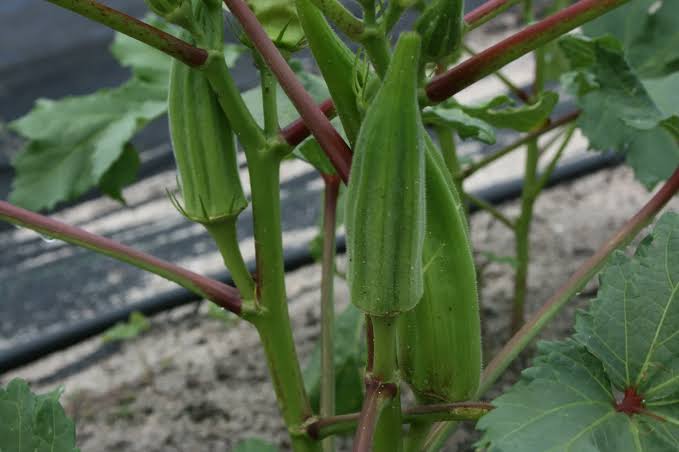
Okra—also called “lady’s finger”—is one of the easiest vegetables to grow in Nigeria. It grows fast, sells well, and you can harvest it many times from a single planting. If you plan it well, okra farming can be a good source of consistent income.
1. Understand Why Okra Farming is a Good Choice
Before you start, know the benefits:
- Okra grows well in all parts of Nigeria
- It needs minimal fertilizer
- Harvest begins 45–60 days after planting
- Continuous weekly harvest
- Strong demand in markets, restaurants, homes
2. Choose the Right Land
Okra grows best on:
- Loamy soil (dark, fertile soil with good drainage)
- Soil rich in organic matter
- Land with access to water
- Land exposed to full sunlight
Avoid: Waterlogged soil — okra hates too much water around its roots.
3. Prepare the Land
Good land preparation = stronger plants + better yield.
- Clear bushes, weeds, and stumps
- Plough or dig soil to loosen it
- Add organic manure (poultry droppings, compost, cow dung)
- Make ridges or beds (optional)
4. Choose Good Okra Seeds
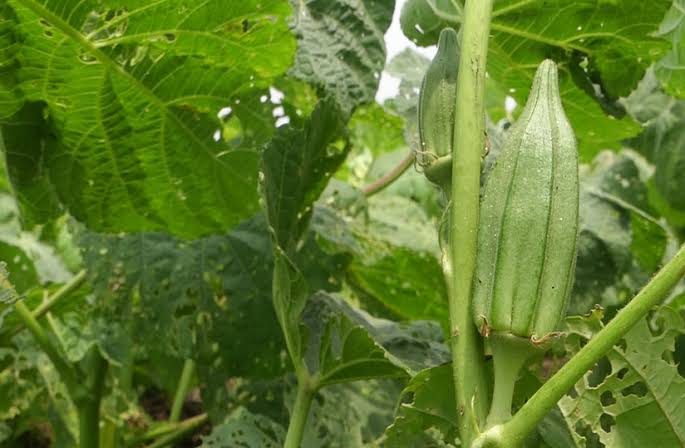
Use improved high-yield varieties. Common varieties in Nigeria include:
- Clemson Spineless
- NH47–4
- White Velvet
- Lady’s Finger
Tip: Buy seeds from certified seed companies to avoid fake seeds.
5. Planting Your Okra
Spacing is important. Use:
- 60 cm between rows
- 30 cm between plants
Plant seeds directly in the soil (okra does not like transplanting).
- Put 2–3 seeds per hole
- Cover lightly with soil
- Water immediately
6. Watering
Okra needs water to start well.
- Water daily for the first 2 weeks
- After establishment, water 2–3 times weekly
- Increase watering during dry season
Avoid over-watering—it causes root rot.
7. Fertilizer Application
Although okra grows well naturally, fertilizer helps increase yield.
- 2–3 weeks after planting, apply NPK 15:15:15
- Add organic manure again if available
Tip: Don’t apply fertilizer too close to the stem.
8. Weed Control
Weeds compete for nutrients and water.
- Weed manually or with hoe
- Weed every 2–3 weeks
- Mulching can reduce weed growth
9. Pest and Disease Control
Common pests:
- Caterpillars
- Leafhoppers
- Aphids
- Grasshoppers
Common diseases:
- Powdery mildew
- Damping off
Control Tips:
- Use neem extract as an organic spray
- Remove infected leaves
- Keep the farm clean
- Avoid overcrowding
If infestation is high, you can use mild insecticides, but follow instructions carefully.
10. Harvesting
Okra grows fast.
- First harvest: 45–60 days after planting
- Harvest every 2–3 days
- Pick the pods when they are soft and green (not too tough)
Tip: Early and regular harvesting encourages more pods.
11. Marketing
Okra has strong demand everywhere in Nigeria:
- Local markets
- Restaurants
- Food sellers
- Women selling soup ingredients
- Bulk buyers for Lagos, Abuja, Ibadan, Kano, Port Harcourt
12. Record Keeping
Write down:
- Costs (seeds, labor, fertilizer)
- Quantity harvested
- Income from sales
This helps you calculate profit and plan future planting.
Practical Example for a Young Farmer
Let’s say you plant 1 acre of okra:
- Cost of land preparation: ₦20,000–₦35,000
- Seeds: ₦4,000–₦7,000
- Fertilizer + manure: ₦10,000–₦20,000
- Labor: ₦15,000–₦30,000
- Miscellaneous: ₦10,000
Total cost: ₦60,000–₦100,000
Expected yield: 450–800 kg
Possible revenue: ₦150,000–₦300,000 depending on market price
Simple Tips to Succeed
- Start small and expand gradually
- Maintain clean farm hygiene
- Harvest regularly
- Keep records
- Watch weather patterns
- Build a relationship with buyers
Leave a Reply