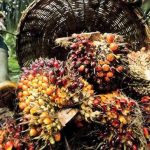

Palm tree nursery management is one of the most important stages in palm oil farming. Proper nursery management ensures that only healthy, vigorous seedlings are transplanted to the main field, leading to higher yields and long-term productivity. In this guide, we’ll educate farmers on how to manage a palm tree nursery effectively.
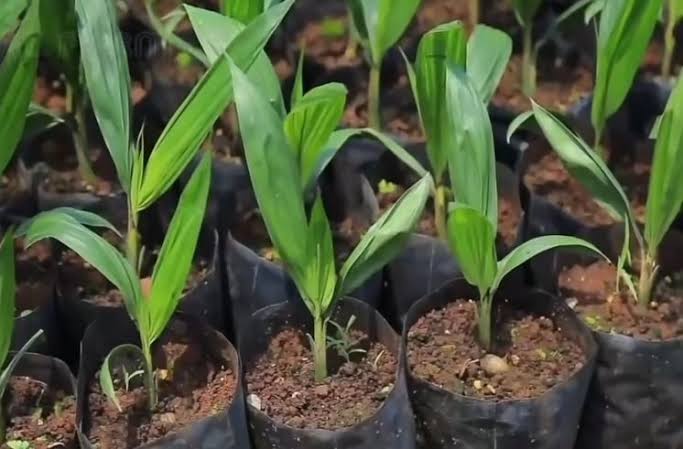
1. What Is a Palm Tree Nursery?
A palm tree nursery is a controlled area where oil palm seeds are germinated, nurtured, and raised into strong seedlings before being transplanted into the main plantation. The nursery stage is crucial because it determines the future success of the plantation.
There are two main stages of palm nursery management:
- Pre-Nursery Stage (0–3 months)
- Main Nursery Stage (3–12 months)
2. Setting Up a Palm Tree Nursery
Before you begin, choose a well-drained and accessible site close to a water source. Proper site selection helps reduce losses and promotes healthy seedling growth.
Key site selection tips:
- Avoid waterlogged areas
- Choose fertile loamy soil
- Ensure good sunlight exposure
- Provide access to irrigation and shade
3. Pre-Nursery Management (0–3 Months)
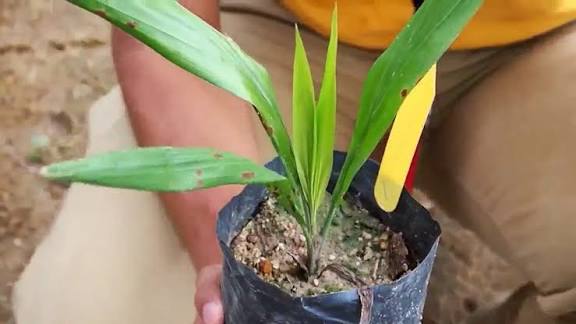
This is the first stage where germinated seeds are planted into small polybags (about 15 x 23 cm).
Steps for pre-nursery management:
- Fill Polybags: Use a mixture of topsoil and organic manure.
- Plant Germinated Seeds: Place one seed per bag and water immediately.
- Shade the Seedlings: Use palm fronds or shade nets to protect seedlings from direct sunlight.
- Water Regularly: Water twice daily during the dry season.
- Weed and Fertilize: Remove weeds regularly and apply NPK fertilizer as needed.
After 3 months, select healthy seedlings (15–25 cm tall) for transfer to the main nursery.
4. Main Nursery Management (3–12 Months)
This is where seedlings develop strong roots and leaves before being transplanted to the field.
Steps for main nursery management:
- Spacing: Arrange polybags (40 x 45 cm) in rows spaced 90 cm apart.
- Watering: Water daily, especially in dry periods.
- Fertilization: Apply NPK 15:15:15 fertilizer every 2–3 months.
- Weeding: Weed regularly to avoid competition for nutrients.
- Pest and Disease Control: Inspect seedlings often for signs of pests like grasshoppers or leaf miners. Use organic or approved pesticides when necessary.
- Culling: Remove weak or diseased seedlings to prevent spread.
5. Transplanting to the Field
Seedlings are ready for transplanting after 10–12 months, when they have 5–7 healthy leaves and a strong root system. Transplanting should be done at the start of the rainy season for better survival.
Transplanting tips:
- Water seedlings before and after transplanting.
- Dig planting holes 60 cm deep and wide.
- Place the seedling carefully to avoid root damage.
6. Common Problems in Palm Tree Nurseries
- Overwatering: Can cause root rot.
- Nutrient Deficiency: Leads to yellow leaves; apply fertilizer promptly.
- Pests and Diseases: Regular monitoring and good sanitation help control them.
7. Benefits of Proper Nursery Management
- Ensures uniform and healthy palms in the plantation.
- Increases yield and oil production.
- Reduces transplanting shock and seedling mortality.
- Promotes long-term farm sustainability.
Conclusion
Proper palm tree nursery management is the foundation for a successful palm oil plantation. Farmers should invest time and care during the nursery phase to produce healthy seedlings capable of yielding abundantly. With the right soil, watering, fertilizer, and pest control, your palm trees will thrive from nursery to maturity.