How Much Can 1 Hectare of Oil Palm Make Per Year in Nigeria? BEGINNER Guide
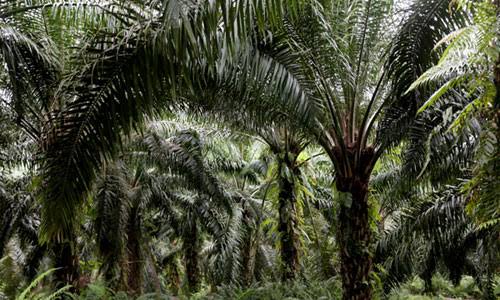
Oil palm farming can become a valuable long-term business for a farmer in Nigeria, but one important lesson should be understood from the beginning: 1 hectare of oil palm does not produce a fixed amount of money every year.
Your income depends on the age of the palms, quality of planting materials, soil fertility, rainfall, farm management, harvesting practices, FFB price, labour costs and whether you sell fresh fruit bunches (FFB) or process the fruits into palm oil.
For a young farmer planning an oil palm plantation, it is better to think about the business in three stages:
Production → Revenue → Costs → Profit
How Much FFB Can 1 Hectare Produce?
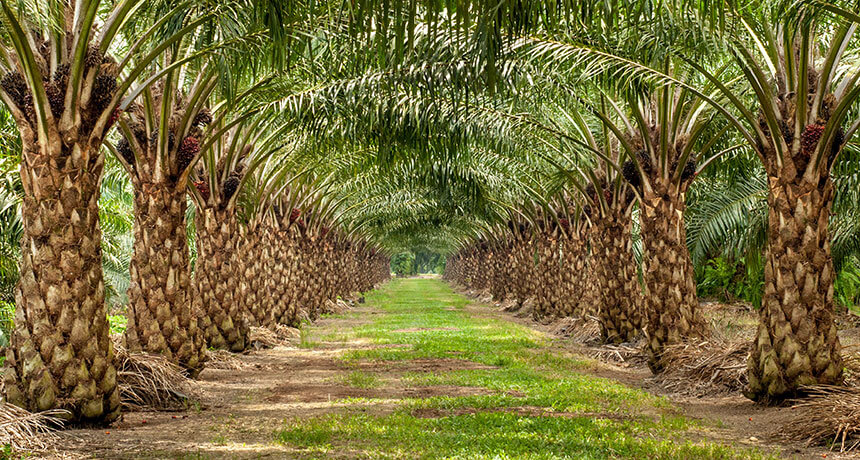
The first thing to calculate is not the amount of palm oil, but the amount of fresh fruit bunches (FFB) your plantation can produce.
NIFOR reports that improved oil palm can begin producing around three years after field planting. Its FAQ gives an indicative yield progression from about 3 tonnes of FFB per hectare initially, rising to roughly 18 tonnes by year 12 and potentially reaching 25 tonnes per hectare by year 30 under suitable conditions. (NIFOR)
Research on improved NIFOR Tenera material also reports potential yields around 15–18 tonnes of FFB per hectare per year, with 15–25 tonnes/ha/year reported under good farmer-field conditions. (FUTO Repository)
This means a properly established mature plantation might be discussed using a planning range such as:
- 10 tonnes FFB/ha/year – lower-performance plantation
- 15 tonnes FFB/ha/year – moderate performance
- 20 tonnes FFB/ha/year – good performance
- 25 tonnes FFB/ha/year – very good performance
These are planning examples, not guaranteed yields.
Example
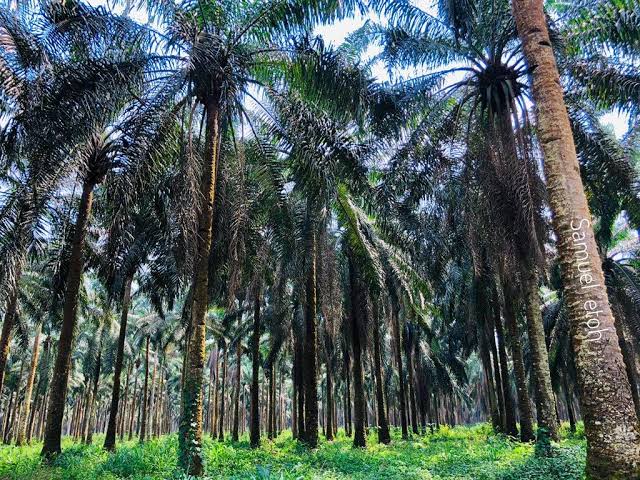
If your one-hectare plantation produces 15 tonnes of FFB in a year, you have:
15,000 kg of fresh fruit bunches.
If it produces 20 tonnes:
20,000 kg of FFB.
The next question is: How much can those FFB bring in?
How Much Revenue Can 1 Hectare Generate?
The simplest method is:
Annual FFB revenue = FFB produced × selling price per tonne
Because FFB prices change between locations, seasons and buyers, young farmers should avoid building a business plan around one permanent price.
For illustration, suppose a farmer sells FFB at different hypothetical prices.
Example 1: 15 tonnes of FFB
At ₦100,000 per tonne:
15 × ₦100,000 = ₦1,500,000
At ₦150,000 per tonne:
15 × ₦150,000 = ₦2,250,000
At ₦200,000 per tonne:
15 × ₦200,000 = ₦3,000,000
So the same hectare can produce very different revenue depending on the selling price.
Example 2: 20 tonnes of FFB
At ₦100,000 per tonne:
20 × ₦100,000 = ₦2,000,000
At ₦150,000 per tonne:
20 × ₦150,000 = ₦3,000,000
At ₦200,000 per tonne:
20 × ₦200,000 = ₦4,000,000
This is why farmers should calculate their expected income using the actual FFB price available in their area, rather than relying on a figure found online.
What About Selling Palm Oil Instead of FFB?
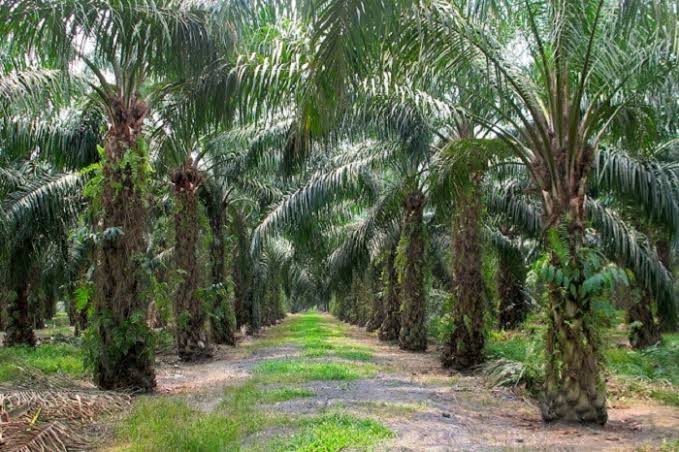
A farmer can also make money by processing FFB into palm oil.
However, you should not assume that every tonne of FFB will automatically produce the same quantity of oil.
The amount of oil obtained depends on:
- Palm genetics
- FFB quality
- Fruit maturity
- Harvesting interval
- Processing method
- Mill efficiency
- Fruit losses
- Handling and transportation
For example, commercial plantation data from Okomu Oil Palm reported an oil extraction rate of 23.65% in 2025, while other plantation systems can have different extraction rates. (MarketScreener)
Therefore, a farmer producing 20 tonnes of FFB should not simply multiply 20 tonnes by a fixed extraction percentage and treat the result as guaranteed income.
The safest approach is to first estimate FFB production and then use the actual extraction performance of the mill that will process your fruit.
The Three Different Money Figures You Must Understand
Young farmers often make the mistake of seeing the amount of money received from selling palm fruits as “profit.”
It is not.
You need to separate:
1. Gross Revenue
This is the total money received from selling your FFB or processed palm products.
2. Production Costs
These are the expenses involved in running the plantation.
3. Net Profit
This is what remains after relevant costs have been deducted.
The basic calculation is:
Net Profit = Total Revenue − Total Costs
What Costs Should an Oil Palm Farmer Expect?
Once the plantation becomes productive, annual operating expenses can include:
Weeding
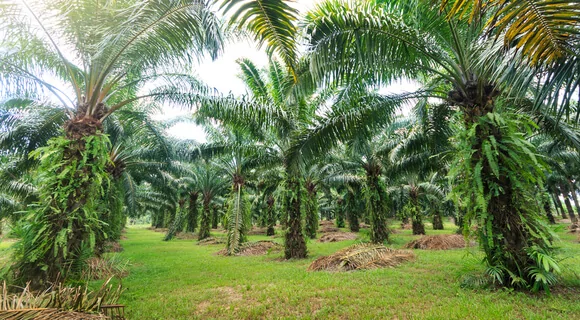
Young plantations require regular weed control. Poor weed management can reduce competition-free access to water and nutrients.
Fertilizer
Fertilizer can become one of the important recurring expenses, particularly where soil fertility is inadequate.
The amount required should not simply be copied from another farm. Soil conditions, palm age, yield level and nutrient status matter.
Pruning
Mature palms need appropriate removal of old or dead fronds.
Harvesting
Harvesting involves labour for cutting ripe bunches, collecting loose fruits and moving bunches to the collection point.
Transportation
FFB is bulky and needs to reach the mill relatively quickly. Transportation becomes particularly important where the farm is far from the processing facility.
Pest and disease management
The farmer may incur costs monitoring and controlling pests and diseases.
Farm maintenance
This can include:
- Paths
- Drainage
- Access roads
- Collection points
- Tools
- Farm security
- Replacement of damaged palms
Land and establishment costs
For a new plantation, the farmer also has to consider land acquisition or rent, land preparation, seedlings, planting, maintenance during the immature years and other establishment expenses.
These costs are different from the annual operating expenses of an already mature plantation.
A Simple 1-Hectare Profit Example
Let’s use an illustrative mature plantation, not a guaranteed Nigerian farm result.
Assume:
FFB production: 15 tonnes/year
Illustrative FFB price: ₦150,000/tonne
Revenue:
15 × ₦150,000 = ₦2,250,000
Now suppose the farmer’s total annual operating expenses for that hectare are ₦900,000.
Then:
₦2,250,000 − ₦900,000 = ₦1,350,000 estimated operating profit
This example is only for understanding the calculation.
If the farmer’s actual costs are ₦1.2 million, the result changes:
₦2,250,000 − ₦1,200,000 = ₦1,050,000
If FFB production falls to 10 tonnes while the price remains ₦150,000:
10 × ₦150,000 = ₦1,500,000 revenue
At ₦900,000 operating costs:
₦1,500,000 − ₦900,000 = ₦600,000
This demonstrates an important lesson:
Yield and cost control can be just as important as the selling price.
Why You Should Not Expect the Same Profit Every Year
Oil palm is different from many short-term crops because production changes as the palms grow.
A young plantation does not immediately generate the same income as a mature plantation.
NIFOR indicates that improved palms can begin fruiting around 2½–3 years after planting, while production increases as the palms develop. (NIFOR)
Therefore, a farmer who plants one hectare today should not calculate:
“₦2 million every year for 25 years.”
That would be a poor business plan.
Instead, think of the plantation as a long-term production curve.
Early years
Little or no commercial revenue.
First productive years
FFB production begins but remains relatively low.
Developing plantation
Production increases as the palms mature.
Mature plantation
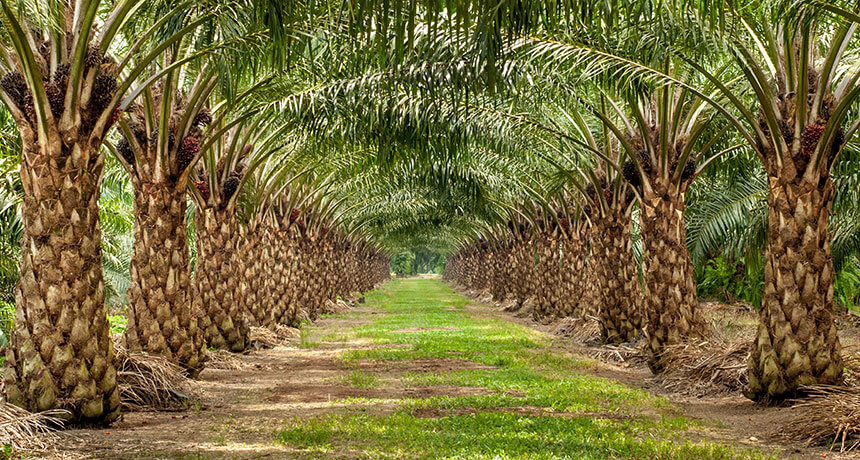
This is where the plantation can produce substantially more FFB if genetics, nutrition, moisture, weed control and harvesting are properly managed.
An Important Lesson About Establishment Costs
The money required to establish a plantation should also be separated from yearly operating costs.
For example, a farmer may spend money on:
- Land
- Clearing
- Land preparation
- Quality seedlings
- Lining and pegging
- Planting
- Cover crops
- Fertilizer
- Weeding
- Labour
- Roads and drainage
These expenses happen before the plantation reaches full production.
A Nigerian oil-palm investment example published by BusinessDay illustrates how substantial establishment expenses can become, although the figures in that older investment example should not be treated as current 2026 prices. (Business Day)
This is why a serious farmer should calculate the total establishment cost per hectare before planting.
Why Genuine Tenera Seedlings Matter
One of the biggest decisions affecting the future income of a plantation is the planting material.
Unimproved palms can have dramatically lower yields than improved planting materials.
NIFOR-related research reports improved Tenera material producing substantially higher FFB yields than unimproved Dura material. (Central Bank of Nigeria)
For a farmer planning a plantation that will remain productive for many years, saving money on seedlings can therefore become an expensive mistake.
Do not buy seedlings simply because they are cheap.
Buy from a reliable source and ask questions about:
- Genetic background
- Nursery management
- Source of the planting material
- Age of seedlings
- Health condition
- Certification or provenance where applicable
- Expected performance
How Much Can a Young Farmer Realistically Target?
Rather than promising a fixed amount, it is better to build three scenarios.
Low-performance scenario
10 tonnes FFB × ₦150,000 = ₦1.5 million gross revenue
Moderate scenario
15 tonnes FFB × ₦150,000 = ₦2.25 million gross revenue
Good-performance scenario
20 tonnes FFB × ₦150,000 = ₦3 million gross revenue
These are illustrations, not guaranteed returns.
If the FFB price rises, revenue rises.
If the price falls, revenue falls.
If production increases, revenue rises.
If production falls because of poor management, revenue falls.
And if production costs increase, profit falls even when revenue remains unchanged.
Don’t Confuse Revenue With Profit
This is one of the most important lessons for a young plantation farmer.
Suppose your farm generates:
₦3 million revenue
That does not mean you made ₦3 million profit.
If your annual operating expenses are:
₦1 million
Your estimated operating profit is:
₦3 million − ₦1 million = ₦2 million
But if your expenses are ₦1.8 million:
₦3 million − ₦1.8 million = ₦1.2 million
And if your plantation is still recovering its establishment investment, you may also want to account for that investment when assessing the true long-term return on the farm.
What About a 5-Hectare or 10-Hectare Plantation?
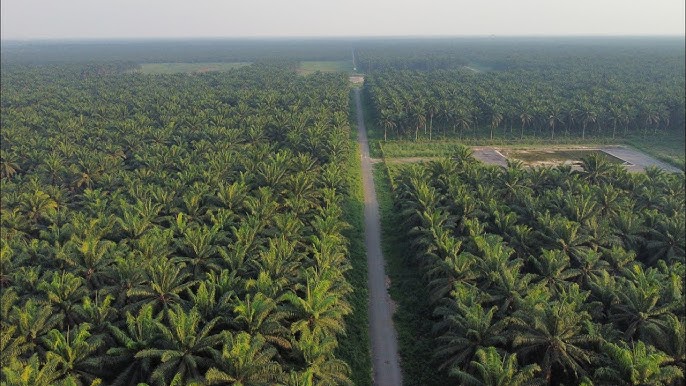
The same calculation can be expanded.
If one hectare produces 15 tonnes:
5 hectares × 15 tonnes = 75 tonnes FFB/year
At an illustrative ₦150,000 per tonne:
75 × ₦150,000 = ₦11.25 million gross revenue
For 10 hectares:
10 × 15 = 150 tonnes FFB/year
At ₦150,000 per tonne:
150 × ₦150,000 = ₦22.5 million gross revenue
Again, these are gross revenue illustrations, not guaranteed profit.
The advantage of larger plantations is that some activities and infrastructure can become more efficient, but larger farms also require more labour, management, harvesting, transportation and capital.
What Determines How Much Your Hectare Will Make?
Several factors can make two one-hectare plantations produce completely different financial results.
1. Seedling quality
Good genetic material gives the farmer a stronger production foundation.
2. Palm age
A three-year-old plantation should not be compared directly with a mature plantation.
3. Soil fertility
Oil palm needs adequate nutrients for sustained production.
4. Fertilizer management
Under-fertilization can limit yield, while indiscriminate fertilizer application wastes money.
5. Weed management
Competition from weeds can affect young palms and plantation performance.
6. Rainfall and moisture
Water availability strongly affects oil-palm production.
7. Harvesting frequency
Overripe or poorly harvested bunches can reduce the quality and value of the crop.
8. Distance to the mill
High transportation costs can reduce the farmer’s final margin.
9. FFB price
The price received by farmers can change significantly.
10. Farm management
A well-managed plantation can perform very differently from a neglected plantation.
A Better Way to Calculate Your Own Expected Profit
Before planting or expanding, a farmer should create a simple farm budget.
Write down:
Expected FFB yield per hectare: __ tonnes
Expected FFB selling price: ₦__ per tonne
Expected annual revenue:
Yield × price = ₦__
Then calculate:
- Weeding = ₦__
- Fertilizer = ₦__
- Harvesting = ₦__
- Transportation = ₦__
- Pruning = ₦__
- Pest/disease management = ₦__
- Farm maintenance = ₦__
- Other expenses = ₦__
Then:
Total annual operating cost = ₦__
Finally:
Estimated operating profit = Revenue − Operating costs
This calculation should be updated regularly because labour, fertilizer, transportation and FFB prices can change.
The Biggest Mistake Young Palm Farmers Should Avoid
Do not start an oil palm plantation because somebody told you:
“One hectare will give you ₦X million every year.”
That statement is too simplistic.
A plantation is a biological production system. The yield depends on the palms, environment and management, while the financial result depends on both production and market conditions.
Even research from Edo State found that profitability varied according to palm age, with the study reporting the strongest profitability during the 9–18-year age range. (University of Benin Repository)
The right question is therefore not:
“How much money will one hectare definitely make?”
The better question is:
“How many tonnes of FFB can my hectare realistically produce, what price can I receive, what will it cost me to produce and market those fruits, and what will remain as profit?”
Final Advice to a Young Oil Palm Farmer
Oil palm should be viewed as a long-term agricultural investment, not a quick-money crop.
If you want your one hectare to perform well:
Start with genuine high-quality planting material.
Choose suitable land.
Prepare the field properly.
Maintain the young palms carefully.
Manage weeds and nutrients properly.
Monitor pests and diseases.
Harvest at the appropriate maturity.
Know the FFB buyers and processors around your farm.
Keep proper records of every expense and every tonne harvested.
Most importantly, never confuse gross revenue with profit.
A mature hectare producing 15–20 tonnes of FFB can generate meaningful annual revenue, but the actual profit depends on the price you receive and the costs required to produce, harvest and transport the crop. Nigerian and NIFOR-related sources show that improved oil palm can achieve much higher yields than unimproved palms, but actual farm performance varies considerably. (NIFOR)
For a young farmer, the goal should therefore be to build a plantation that produces consistently, controls costs and maintains good yields over many productive years, rather than chasing a promised fixed annual income.
Leave a Reply