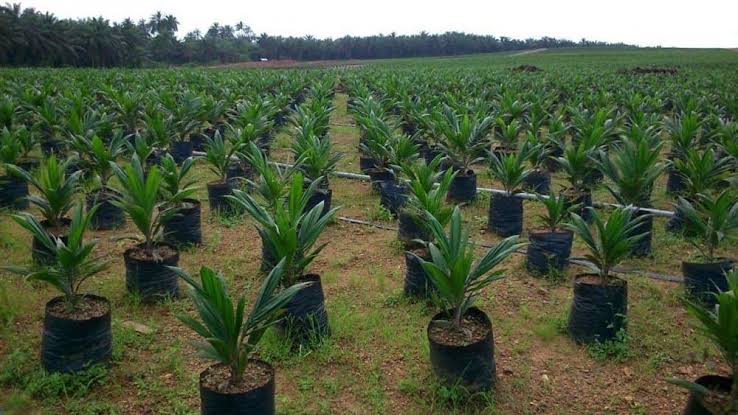
Things to Consider Before Starting a Palm Plantation
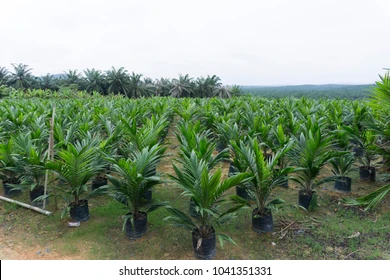
Starting a palm plantation can be a profitable agricultural business, but success depends on proper planning and knowledge. Many young farmers rush into palm farming without understanding the important factors involved, which later leads to poor yields and financial losses. Before planting your first oil palm seedlings, there are key things you must consider.
1. Understand the Purpose of Your Plantation
Before starting, ask yourself:
- Are you growing palm for personal use?
- Are you producing palm oil for sale?
- Do you want to sell palm fruits?
- Do you plan to process and package palm oil?
Having clear goals helps determine the size of land, budget, and farming method.
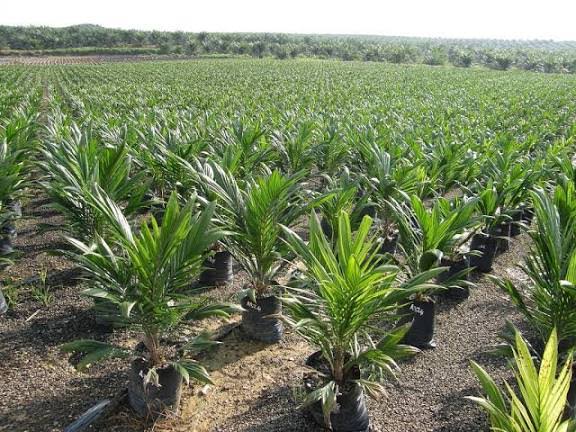
2. Choose Suitable Land
Oil palm grows best in areas with:
- Fertile soil
- Good drainage
- Adequate rainfall
- Deep soil for root development
- Warm temperatures
Avoid:
- Waterlogged land
- Rocky areas
- Extremely dry locations
- Eroded land
Poor land selection can affect growth for many years.
3. Test the Soil
Young farmers often skip soil testing and plant immediately. Soil testing helps you know:
- Soil pH level
- Nutrient content
- Fertilizer requirements
- Soil improvement needs
This helps you avoid wasting money on unnecessary fertilizer.
4. Select Quality Palm Seedlings
Your harvest quality starts with the seedlings you plant.
Good seedlings should:
- Be healthy
- Have strong roots
- Come from certified nurseries
- Be disease-free
- Be high-yield varieties
Avoid buying cheap seedlings from unknown sources because poor seedlings can reduce production for decades.
5. Understand the Capital Requirement
Palm plantation requires patience and investment.
Costs may include:
- Land acquisition
- Land clearing
- Seedlings
- Fertilizer
- Labor
- Weed control
- Irrigation
- Transportation
- Farm equipment
Plan your finances before starting.
6. Know That Oil Palm Requires Patience
Many beginners expect immediate profit.
Oil palm normally takes:
- About 3–4 years before fruiting begins
- Around 7–10 years for full production
Palm farming is a long-term investment, not a quick-profit business.
7. Consider Farm Size
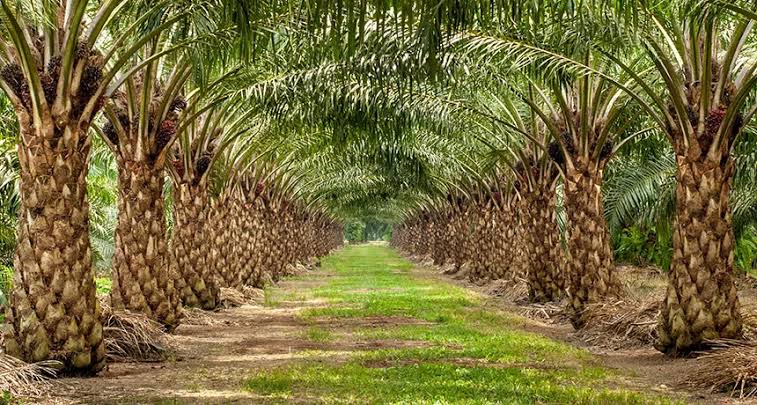
Start according to your resources.
Small-scale farmers can begin with:
- 1–2 hectares
As experience and income increase, expansion becomes easier.
Starting too large without management experience can create problems.
8. Learn Proper Planting Spacing
Correct spacing allows palms to:
- Receive enough sunlight
- Access nutrients
- Grow properly
Overcrowding causes:
- Competition for nutrients
- Reduced yields
- Disease spread
9. Plan Weed and Pest Control
Palm plantations face challenges such as:
- Weeds
- Rodents
- Insects
- Diseases
Create a management plan early instead of waiting for problems to appear.
10. Consider Access to Market
Before harvesting, know where you will sell your products.
Potential markets include:
- Palm oil processing companies
- Local markets
- Palm fruit buyers
- Food industries
- Soap manufacturers
Production without market access can create losses.
11. Learn Basic Palm Plantation Management
Knowledge is one of the biggest investments.
Learn about:
- Fertilizer application
- Pruning
- Harvesting
- Pest management
- Record keeping
- Farm maintenance
Continuous learning improves productivity.
12. Prepare for Long-Term Commitment
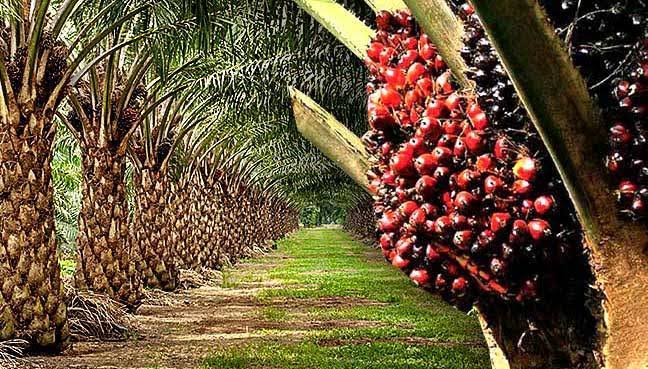
Oil palm plantations can remain productive for over 25 years. This means your decisions today can affect your farm for decades.
Patience, planning, and good management are essential.
Conclusion
Palm plantation farming can create income and long-term wealth for young farmers, but success does not come from planting alone. Proper land selection, quality seedlings, financial planning, and good management practices are important. A well-planned plantation today can become a profitable agricultural business in the future.
Leave a Reply