Best Countries for Plantain Farming
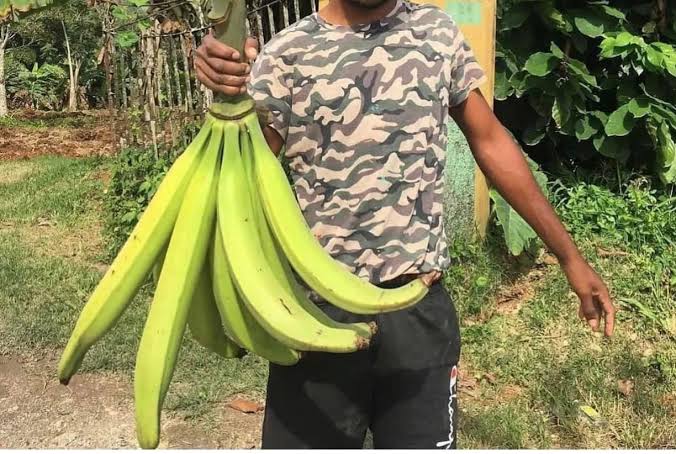
Plantain is one of the most important food crops in tropical regions. It is a staple food for millions of people and a profitable cash crop for farmers. Thanks to its high demand in local and international markets, plantain farming has become an attractive agricultural business for both beginners and experienced farmers.
However, not every country has the right conditions for successful plantain cultivation. Plantains thrive best in warm, humid climates with fertile soil and adequate rainfall. Choosing the right location can greatly increase your chances of producing healthy plants and earning better profits.
This guide explains the best countries for plantain farming, why they are suitable, and what new farmers should know before starting.
What Makes a Country Suitable for Plantain Farming?
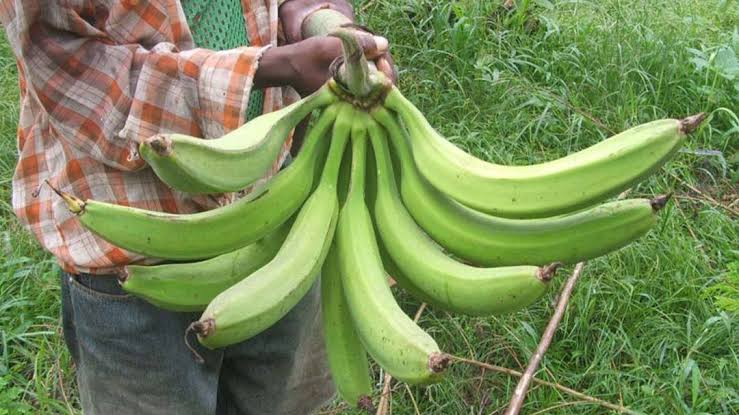
Before looking at the top countries, it’s important to understand the conditions plantains need to grow successfully.
The ideal conditions include:
- Tropical or subtropical climate
- Temperatures between 24°C and 30°C
- Annual rainfall of 1,200–2,500 mm
- Deep, fertile, well-drained soil
- Plenty of sunshine
- Reliable water supply during dry seasons
- Protection from strong winds
Countries with these conditions generally produce higher yields and healthier plantain crops.
1. Nigeria
Nigeria is one of Africa’s largest producers and consumers of plantain. Plantain is widely grown across the southern states, where rainfall is abundant and soils are fertile.
Why Nigeria is Ideal
- Long rainy season
- Fertile tropical soils
- Strong local demand
- Large population creates a ready market
- Suitable climate for year-round production in many regions
Major producing states include:
- Edo
- Delta
- Ondo
- Ogun
- Oyo
- Cross River
- Akwa Ibom
- Rivers
- Bayelsa
- Abia
- Imo
- Enugu
- Ebonyi
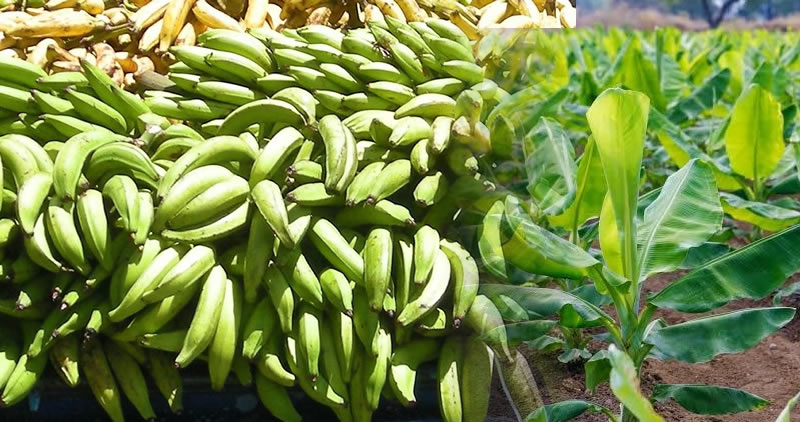
Plantain farming in Nigeria can be highly profitable because demand continues to increase every year.
2. Ghana
Ghana is one of West Africa’s leading plantain producers. Plantain is an important staple food and is also processed into flour, chips, and other food products.
Advantages include:
- Excellent rainfall
- Rich soils
- Growing export opportunities
- Strong government support for agriculture
- Increasing investment in agribusiness
3. Cameroon
Cameroon has ideal weather for plantain cultivation throughout much of the country.
Benefits include:
- Tropical climate
- High rainfall
- Fertile volcanic soils in many regions
- Strong domestic demand
- Good opportunities for commercial farming
4. Uganda
Uganda is famous for banana production, including cooking bananas and plantains. Farmers benefit from fertile soils and favorable weather.
Reasons to farm in Uganda:
- Suitable temperatures
- Rich agricultural land
- High production potential
- Strong local consumption
5. Côte d’Ivoire (Ivory Coast)
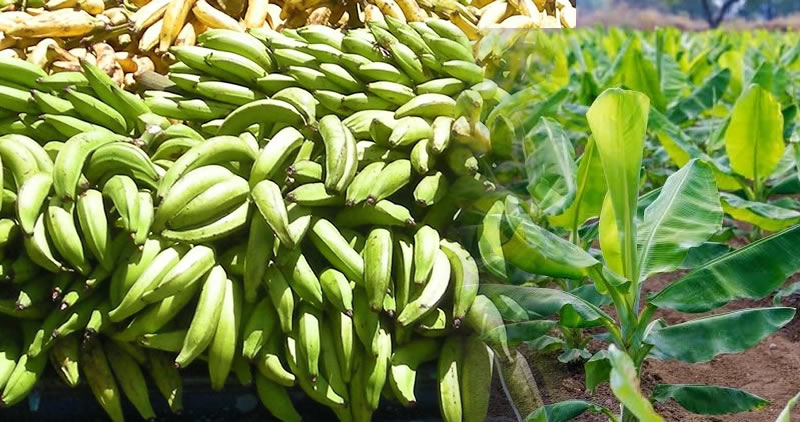
Plantain is widely grown across Côte d’Ivoire and serves as both a food crop and an income source.
Advantages include:
- Warm climate
- Reliable rainfall
- Large local markets
- Growing food-processing industry
6. Democratic Republic of the Congo
The Democratic Republic of the Congo has vast agricultural land suitable for plantain production.
Farmers benefit from:
- Huge areas of fertile land
- High rainfall
- Long growing seasons
- Increasing domestic demand
7. Colombia
Colombia is among the largest plantain producers in Latin America.
Reasons for success include:
- Tropical climate
- Modern farming techniques
- Strong export industry
- Good transportation networks
8. Ecuador
Ecuador is well known for banana exports, but it also produces large quantities of plantains.
Advantages:
- Excellent climate
- Well-developed export infrastructure
- Advanced commercial farming
- International market access
9. Costa Rica
Costa Rica has become a successful producer of high-quality plantains.
Benefits include:
- Modern agricultural practices
- Reliable irrigation
- Fertile volcanic soils
- Strong export opportunities
10. Peru
Peru’s tropical rainforest regions support healthy plantain cultivation.
Advantages:
- Rich rainforest soils
- Favorable temperatures
- Increasing investment in agriculture
- Expanding domestic markets
Climate Is More Important Than Country
A country’s name alone does not guarantee successful farming. Even within the best countries, some regions are more suitable than others.
When selecting land, always consider:
- Soil fertility
- Water availability
- Drainage
- Accessibility
- Market proximity
- Disease pressure
Good land management is often more important than location alone.
Why Tropical Countries Lead Plantain Production
Plantains evolved in warm tropical environments. These regions provide:
- Consistent warmth
- High humidity
- Frequent rainfall
- Longer growing seasons
- Faster plant growth
- Better fruit development
These natural conditions reduce production costs and improve yields.
Can Plantains Be Grown Outside Tropical Countries?
Yes, but commercial production is much more difficult.
Farmers in cooler regions usually need:
- Greenhouses
- Irrigation systems
- Frost protection
- Higher production costs
As a result, tropical countries remain the best places for profitable plantain farming.
Tips for Young Farmers Starting a Plantain Plantation
If you’re planning to start a plantain farm, follow these practical tips:
- Choose disease-free, healthy suckers or tissue-cultured seedlings.
- Test your soil before planting.
- Prepare the land thoroughly and remove weeds.
- Plant at the correct spacing to allow good air circulation.
- Apply organic manure or balanced fertilizer.
- Water the plants during dry periods.
- Control weeds regularly.
- Monitor for pests and diseases.
- Remove dead leaves and weak suckers.
- Harvest fruits at the proper maturity stage.
- Plan your marketing before harvest to avoid losses.
Starting with a manageable number of plants allows you to gain experience before expanding your plantation.
Challenges of Plantain Farming
Every farmer should understand the common challenges:
- Black Sigatoka disease
- Banana weevils
- Nematodes
- Strong winds
- Flooding
- Drought
- Poor market prices during oversupply
- High fertilizer costs
- Poor farm roads
Good farm management can reduce many of these risks.
Is Plantain Farming Profitable?
Yes. Plantain farming can be highly profitable when managed properly.
Farmers can earn income from:
- Fresh plantains
- Plantain flour
- Plantain chips
- Roasted plantains
- Plantain powder
- Processed food products
- Suckers sold as planting materials
Since plantains are harvested throughout the year in many tropical regions, they can provide a steady source of income.
Final Thoughts
The best countries for plantain farming are those with warm temperatures, fertile soils, and reliable rainfall. Nigeria, Ghana, Cameroon, Uganda, Côte d’Ivoire, the Democratic Republic of the Congo, Colombia, Ecuador, Costa Rica, and Peru are among the world’s leading producers because they provide the ideal conditions for healthy plantain growth.
For young farmers, success depends not only on choosing the right country but also on selecting good farmland, using quality planting materials, following proper farming practices, and developing a solid marketing plan. With dedication, good management, and continuous learning, plantain farming can become a rewarding and sustainable agricultural business.
Leave a Reply