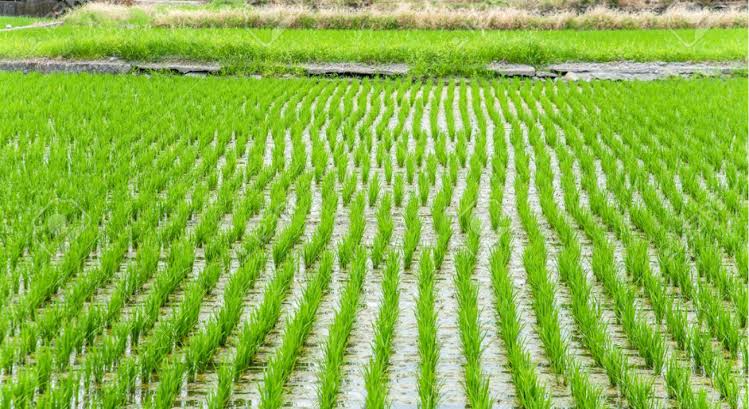
Best States for Rice Farming in Nigeria
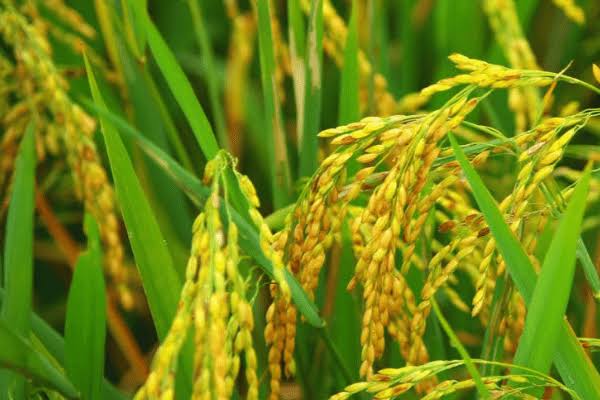
Rice farming is one of the most profitable agricultural businesses in Nigeria. Every day, millions of Nigerians eat rice, making it one of the country’s most consumed staple foods. Despite local production increasing over the years, Nigeria still cannot produce enough rice to meet the growing demand. This creates a huge opportunity for young farmers and entrepreneurs who want to build a successful agribusiness.
If you are planning to start rice farming, choosing the right location is one of the most important decisions you will make.
Best States for Rice Farming in Nigeria
1. Kebbi State
Kebbi is widely regarded as Nigeria’s leading rice-producing state. The state has vast fertile floodplains, reliable water sources, and strong government support for rice production.
2. Niger State
Niger State has large areas of fertile land suitable for both rain-fed and irrigated rice farming. It is one of Nigeria’s major rice-producing regions.
3. Ebonyi State
Often called the “Rice Bowl of the South-East,” Ebonyi is famous for producing high-quality local rice. The state has experienced farmers and good soil for rice cultivation.
4. Kano State
Kano has extensive irrigation facilities, making rice farming possible throughout much of the year.
5. Benue State
Known as the “Food Basket of the Nation,” Benue has fertile soil and abundant rainfall suitable for rice cultivation.
6. Taraba State
Taraba offers excellent climatic conditions, fertile valleys, and numerous rivers that support rice production.
7. Nasarawa State
Nasarawa has productive lowland areas and increasing investment in commercial rice farming.
8. Adamawa State
The state’s fertile plains and river systems make it ideal for large-scale rice farming.
9. Kogi State
Rice farming is expanding rapidly in Kogi due to its fertile land and access to major rivers.
10. Kaduna State
Kaduna has suitable weather, good farmland, and growing commercial rice production.
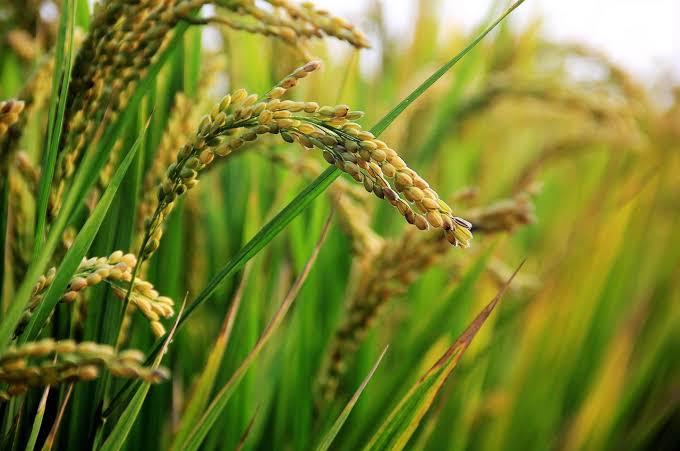
Why Young Nigerians Should Go Into Rice Farming
Rice farming is more than just growing food—it is a business with enormous economic potential.
High Demand
Rice is consumed daily in almost every Nigerian household. Hotels, restaurants, schools, and food vendors purchase rice throughout the year, ensuring a steady market.
Profitable Business
With proper farm management, rice farming can generate significant income from a single planting season.
Employment Opportunities
Rice farming creates jobs for tractor operators, labourers, transporters, millers, marketers, and retailers.
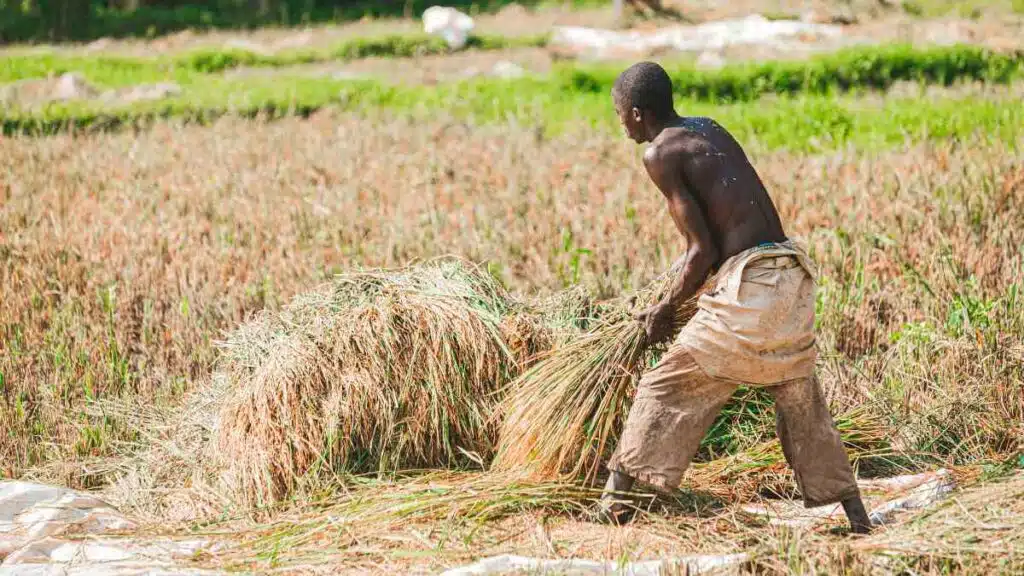
Government Support
Many agricultural programs provide training, improved seeds, fertilizers, irrigation support, and financing opportunities for rice farmers.
Food Security
Producing more local rice helps reduce dependence on imported rice and strengthens Nigeria’s food supply.
Value Addition
Beyond growing rice, farmers can earn additional income through rice processing, milling, packaging, branding, and marketing.
Requirements for Successful Rice Farming
- Fertile farmland
- Quality certified rice seeds
- Reliable water supply or irrigation
- Proper land preparation
- Fertilizers and organic manure
- Effective weed control
- Pest and disease management
- Timely harvesting
- Good storage facilities
Steps to Start Rice Farming
- Select suitable farmland.
- Test the soil if possible.
- Prepare the land properly.
- Buy certified improved rice seeds.
- Plant at the right time.
- Apply fertilizer according to recommendations.
- Control weeds early.
- Protect the crop from pests and diseases.
- Harvest when the grains are mature.
- Dry, process, and store the rice properly before selling.
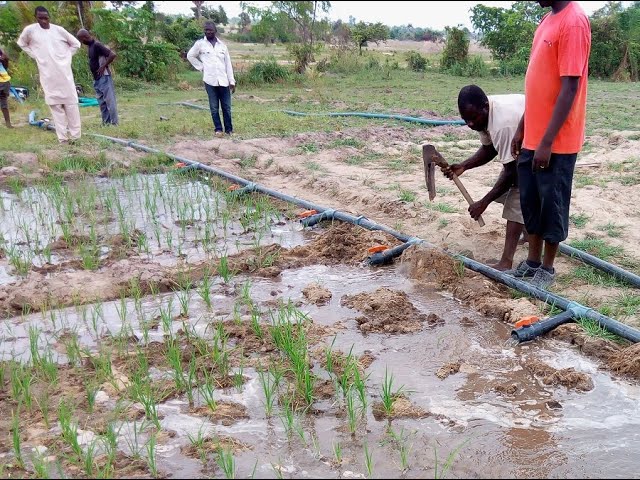
Challenges of Rice Farming
Like every business, rice farming has challenges, including:
- Flooding in some areas
- Drought in dry seasons
- Bird attacks
- Pest infestations
- High fertilizer costs
- Poor road infrastructure
- Limited access to modern farm equipment
- Price fluctuations
These challenges can be managed through good planning, improved farming techniques, irrigation, and proper farm management.
Final Advice for New Rice Farmers
Success in rice farming does not happen overnight. Start with the land and resources you can manage, learn modern farming techniques, keep accurate financial records, and continually improve your skills. Join local farmer cooperatives, seek agricultural extension services, and invest in quality seeds and proper farm management.
Nigeria has one of the largest rice markets in Africa, and demand continues to grow every year. With determination, patience, and good agricultural practices, young farmers can build profitable businesses while contributing to food security and economic growth in the country.
Rice farming is not just an occupation—it is an investment in Nigeria’s future and an opportunity for the next generation of farmers to create wealth, employment, and sustainable livelihoods.
Leave a Reply