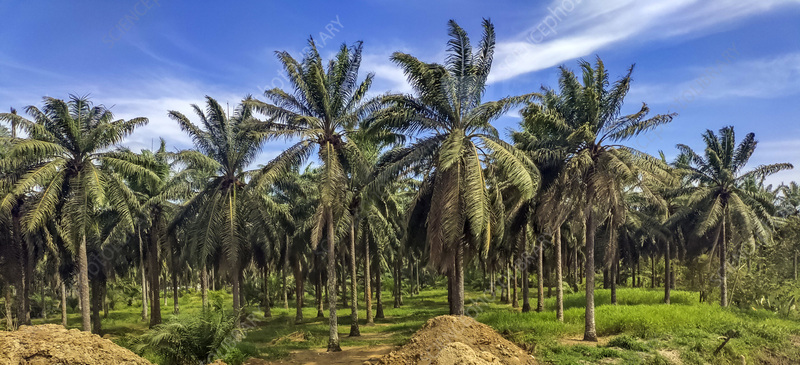
How to Select Good Land for Palm Plantation
Selecting the right land for a palm plantation is one of the most important decisions a young farmer can make.
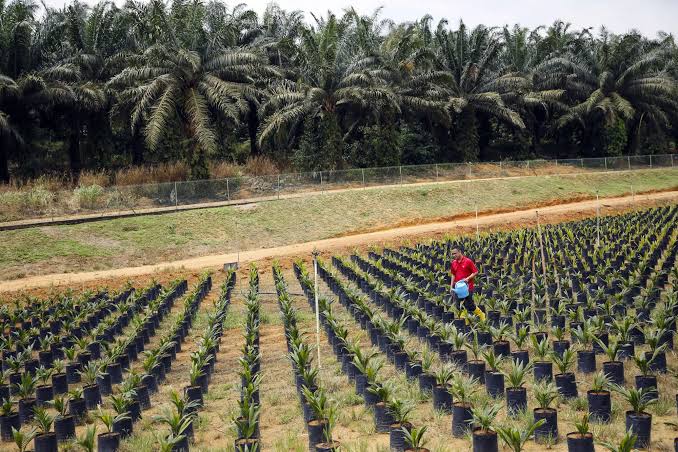
If the land is wrong, even the best seedlings, fertilizers, and care will struggle to give good results. But when the land is suitable, oil palm grows strongly, produces high yield, and remains profitable for many years.
Here are the key things to consider when choosing land for palm plantation:
1. Soil Type Matters Most
Oil palm performs best in deep, fertile, and well-drained loamy soil.
- Avoid very sandy soil (it dries too fast and holds little nutrients)
- Avoid heavy clay soil (it holds too much water and can rot roots)
- Best option: loamy or sandy-loam soil with good organic matter
A good soil should feel slightly loose, not too sticky and not too dry.
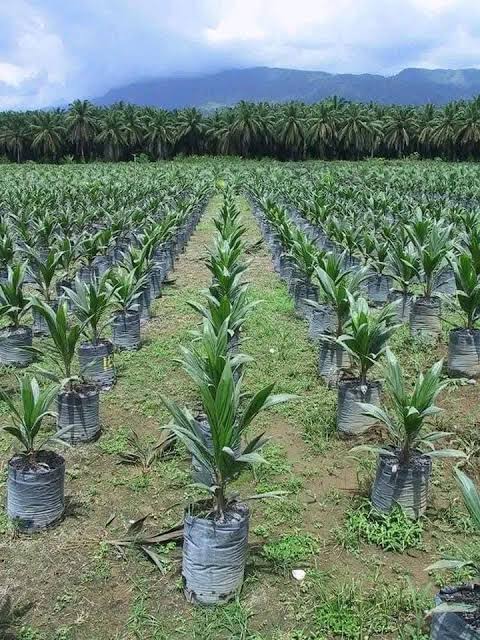
2. Proper Drainage is Very Important
Oil palm does not like waterlogged land.
- Choose land where water does not stay long after rainfall
- Avoid swampy or flood-prone areas unless properly drained
- Standing water can cause root rot and slow growth
If the land is slightly wet, you can still use it but you must plan drainage channels.
3. Climate and Rainfall Requirement
Oil palm thrives in warm, humid climates.
- Ideal rainfall: 1,800mm – 2,500mm annually
- Needs evenly distributed rainfall throughout the year
- Temperature range: 25°C – 32°C
In areas with low rainfall, irrigation may be needed to maintain good yield.
4. Soil Depth
Deep soil is very important for strong root development.
- Minimum depth: about 1 meter or more
- Shallow soil restricts root growth and reduces yield
- Avoid rocky or hardpan soil areas
Deep soil helps the palm tree absorb nutrients and withstand dry periods.
5. Land Topography (Slope and Flatness)
The shape of the land affects farming ease and erosion risk.
- Slightly flat or gently sloping land is best
- Very steep land leads to erosion and nutrient loss
- Flat land must have good drainage planning
Gentle slopes also help natural water flow without flooding.
6. Soil Fertility and Testing
Never guess soil quality—always test it.
- Check pH level (ideal range: 4.5 – 6.5)
- Check nutrient content (Nitrogen, Potassium, Magnesium)
- Soil testing helps you know what fertilizer to apply
A simple soil test can save you years of poor yield.
7. Accessibility and Location
Your plantation should be easy to access.
- Close to road for transporting fresh fruit bunches (FFB)
- Near water source if possible
- Not too far from labor supply and market
Poor access increases transportation cost and reduces profit.
8. Previous Land Use
What was grown on the land before matters.
- Land previously used for forest or long fallow is good
- Avoid land heavily exhausted by continuous cropping without rest
- If it was used for oil palm before, check soil recovery status
9. Weed and Pest History
Check if the land has serious weed or pest problems.
- Some lands may have persistent weeds that increase maintenance cost
- Termites and rodents can also affect young plantations
Clean land reduces early-stage management stress.
10. Legal Ownership and Security
This is often ignored but very important.
- Ensure the land has clear ownership documents
- Avoid land disputes or family conflicts
- Long-term crops like palm need 20–30 years security
Final Advice
Good land selection is not just about appearance—it is about long-term productivity. A young farmer who chooses wisely at the beginning saves money, reduces stress, and enjoys higher harvests in the future.
If possible, always visit the land during the rainy season before buying or planting. That is when you truly see how it behaves with water.
Leave a Reply