Layer Chicken Farming in Nigeria: A Complete Guide for Young Farmers
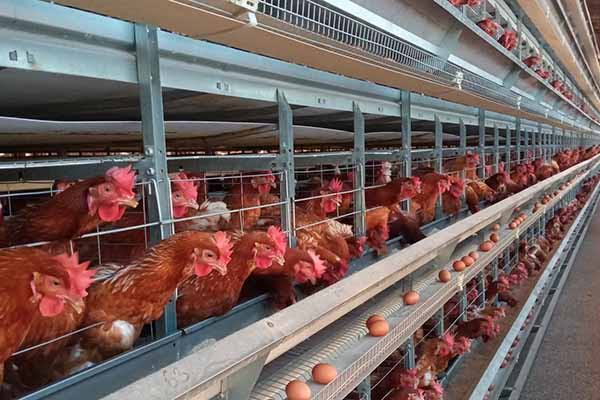
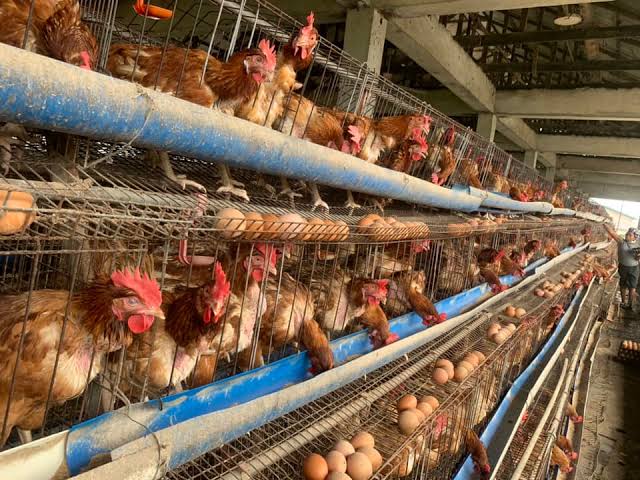
Layer chicken farming is the business of keeping chickens mainly for egg production. Unlike broilers, which are raised for meat, layers are managed for many months to produce table eggs.
For a young farmer in Nigeria, layer farming can become a profitable business when birds receive good-quality feed, clean water, proper housing, vaccination, good lighting and strong disease prevention.
1. How to Start Layer Farming in Nigeria
Before buying your first birds, prepare the farm properly.
Start with a realistic number of birds
A beginner can start with a manageable flock such as 50, 100 or 200 birds rather than immediately investing in thousands of layers.
Your budget should cover:
- Pullets or day-old chicks
- Poultry house
- Feeders and drinkers
- Brooding equipment if starting with chicks
- Vaccines and veterinary expenses
- Litter materials
- Nest boxes
- Lighting and electricity
- Labour
- Water supply
- Transportation
- Emergency funds
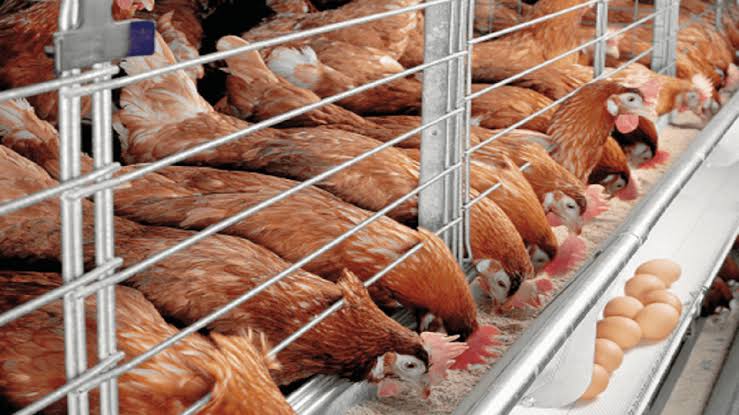
Do not calculate profit from egg sales alone. Feed is usually one of the largest operating costs, so feed efficiency is extremely important.
Choose a good location
The farm should have:
- Reliable access to clean water
- Good drainage
- Adequate ventilation
- Protection from flooding
- Easy access for feed and egg transportation
- Sufficient distance from sources of contamination
- Good security
Biosecurity should be considered from the beginning rather than after disease appears.
2. Best Layer Breeds
Commercial egg strains commonly used by farmers include Lohmann Brown, ISA Brown, Hy-Line, Bovans Brown and Dekalb lines, depending on availability and local hatchery supply.
When choosing birds, do not select a breed simply because somebody says it is the “best.”
Consider:
- Egg production potential
- Feed efficiency
- Adaptability to your environment
- Egg size
- Brown or white egg preference in your market
- Availability of replacement birds
- Hatchery reputation
- Veterinary support
- Cost of the pullets
Most importantly, buy chicks or pullets from a reputable hatchery or supplier with proper records.
3. Layer Feeding Chart
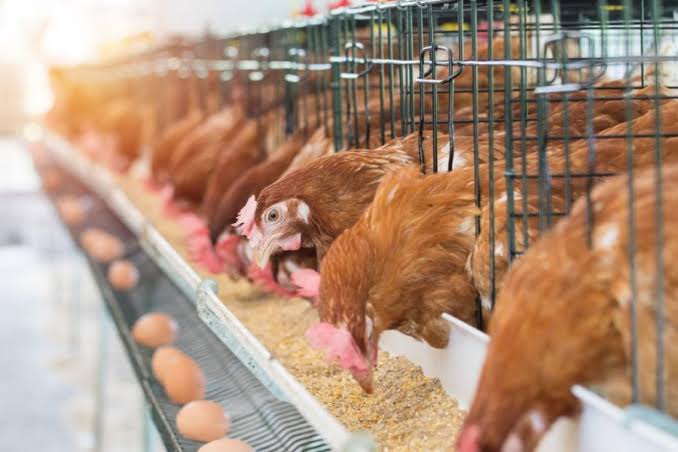
Feeding requirements change as the birds grow.
A simple management structure is:
| Stage | Typical Feed |
|---|---|
| 0–6/8 weeks | Chick starter |
| 7/9–18 weeks | Grower/developer feed |
| Around point of lay | Pre-layer feed where appropriate |
| Laying period | Layer feed |
The exact transition age depends on the feeding programme and the strain.
What should layer feed provide?
A laying ration needs appropriate levels of:
- Energy
- Protein
- Calcium
- Phosphorus
- Amino acids
- Vitamins
- Minerals
Calcium becomes particularly important when hens are producing eggs because eggshell formation requires a substantial calcium supply.
Avoid changing feed suddenly. Make feed changes gradually where possible.
Also provide clean water continuously. Water shortage can quickly reduce feed intake and egg production.
4. Layer Vaccination Schedule
Vaccination programmes should be designed according to the diseases common in your area and the recommendations of a qualified poultry veterinarian.
Depending on the farm and disease risk, programmes may include vaccines against diseases such as:
- Newcastle disease
- Infectious bronchitis
- Gumboro disease
- Fowl pox
- Other locally important diseases
The exact timing depends on the vaccine, maternal immunity, farm history and local disease situation.
Do not copy a vaccination schedule from another farm blindly. Ask a poultry veterinarian or experienced poultry health professional to design a programme suitable for your flock.
Vaccination also does not replace biosecurity.
5. How Many Eggs Does a Layer Produce?
Good commercial layers can produce hundreds of eggs during a laying cycle, but actual production varies.
Production depends on:
- Genetics
- Age
- Feed quality
- Water availability
- Disease
- Lighting
- Temperature
- Housing
- Stress
- Body weight
- Management
A farmer should therefore monitor laying percentage instead of assuming every hen will produce one egg every day.
For example, if you have 100 hens and collect 85 eggs in one day:
Egg production rate = 85 ÷ 100 × 100 = 85%
Keeping daily egg records helps you identify problems early.
6. When Do Pullets Start Laying?
Pullets generally begin laying at around 18–22 weeks, although the exact age varies by strain and management.
Some birds may start earlier or later.
The goal should not simply be to make birds lay as early as possible. Birds need to reach appropriate body weight and physical development before and during the transition into production.
Underdeveloped pullets may struggle to maintain good production and egg size.
7. How to Prepare Pullets for Laying
Preparation should begin before the first egg appears.
Focus on body weight
Monitor the flock’s body weight regularly and compare it with the breeder’s recommended target for that strain.
Prepare the housing
Make sure:
- Nest boxes are ready
- Feeders are adequate
- Drinkers are functioning
- Lighting is working
- Ventilation is good
- Litter is clean and dry
- Predators cannot enter
Introduce appropriate feed
Move birds to the appropriate pre-lay or layer programme according to the management recommendation for the strain.
Reduce stress
Avoid unnecessary movement, overcrowding, sudden feed changes and poor handling around the point of lay.
8. Layer House Requirements
A good layer house should provide a comfortable environment throughout the production cycle.
Important requirements include:
Ventilation
Good airflow removes heat, moisture, dust and harmful gases.
Poor ventilation can contribute to respiratory problems and poor bird performance.
Space
Avoid overcrowding. The required space depends on the housing system, bird size, climate and management system.
Cleanliness
Keep the house and equipment clean and dry.
Security
Protect birds from theft, predators and unnecessary visitors.
Drainage
Rainwater should be directed away from the poultry house.
For Nigerian farmers, heat management deserves particular attention. High temperatures can reduce feed intake and negatively affect egg production and eggshell quality.
9. Nest Box Requirements
If you are using a deep-litter or floor-based system, provide sufficient nest space so hens do not have to compete heavily for nesting areas.
Nest boxes should be:
- Clean
- Dry
- Comfortable
- Easy to inspect
- Protected from direct disturbance
- Filled with suitable nesting material where appropriate
Collect eggs regularly to reduce:
- Broken eggs
- Dirty eggs
- Egg eating
- Cracked shells
Keeping nest boxes clean also helps improve egg quality.
10. Lighting for Layers
Lighting plays an important role in reproductive development and egg production.
Young pullets should not simply be exposed to increasingly long lighting periods without considering their age, body weight and management programme.
During the laying period, commercial layer programmes commonly use a controlled lighting schedule with a long daily photoperiod.
The important principle is consistency.
Avoid sudden changes in lighting duration because they can disrupt production.
Use reliable timers where possible so the flock receives a consistent lighting programme.
11. Why Chickens Stop Laying Eggs
A sudden fall in egg production should be treated as a warning sign.
Possible causes include:
- Poor-quality feed
- Lack of water
- Heat stress
- Disease
- Parasites
- Inadequate lighting
- Stress
- Overcrowding
- Poor body condition
- Feed changes
- Age-related decline
- Poor ventilation
- Disturbance or predator attacks
When production drops, do not immediately start giving random drugs or supplements.
First investigate:
- Feed intake
- Water availability
- Egg production records
- Mortality
- Droppings
- Housing conditions
- Temperature
- Lighting
- Recent management changes
- Signs of disease
If disease is suspected, involve a poultry veterinarian.
12. How to Improve Egg Production
There is no single medicine that automatically makes chickens produce more eggs.
Good production comes from consistent management.
Give quality feed
Use a properly formulated layer ration appropriate for the birds.
Provide clean water
Water should be available at all times.
Control heat
Provide good ventilation and reduce heat stress, especially during hot periods.
Maintain proper lighting
Follow a consistent lighting programme.
Monitor body weight
Birds that are significantly underweight or overweight may have production problems.
Control diseases and parasites
Vaccination, biosecurity, sanitation and monitoring should work together.
Keep accurate records
Record:
- Number of birds
- Daily eggs
- Feed consumed
- Mortality
- Medication/vaccination
- Egg quality
- Sales
Records allow you to identify changes before they become major losses.
13. Causes of Small Eggs
Small eggs can occur for several reasons.
Common factors include:
- Young pullets at the beginning of production
- Breed or genetic characteristics
- Poor nutrition
- Insufficient protein or amino acids
- Low body weight
- Heat stress
- Disease
- Stress
- Poor flock uniformity
Egg size normally increases as young hens mature.
If small eggs continue for longer than expected, investigate feed quality, body weight, health and management.
14. Causes of Thin-Shelled Eggs
Thin or weak eggshells can be associated with:
- Inadequate calcium
- Poor calcium availability
- Imbalanced phosphorus
- Poor nutrition
- Heat stress
- Disease
- Older birds
- Excessive stress
- Poor feed intake
Do not assume that simply adding large amounts of calcium will solve every shell problem.
The complete diet, mineral balance, bird health and environmental conditions should be evaluated.
15. Layer Farming Profitability in Nigeria
Layer farming can generate income from:
- Table eggs
- Spent hens
- Manure
- Sale of empty feed bags or other farm by-products where applicable
However, profitability depends heavily on production costs and market prices.
Simple profit calculation
Egg revenue = Number of eggs sold × price per egg
Then:
Estimated operating profit = Egg revenue + other farm income − operating expenses
Major expenses include:
- Feed
- Pullets/chicks
- Vaccines and veterinary care
- Labour
- Water
- Electricity
- Housing maintenance
- Transportation
- Packaging
- Mortality losses
Do not assume that high egg production automatically means high profit. A farm producing many eggs but wasting large amounts of expensive feed may still have poor margins.
Practical Advice for a Young Layer Farmer
If you are just starting, focus on management before expansion.
Start with a flock size you can properly manage. Learn how to:
- Monitor body weight
- Calculate laying percentage
- Measure feed consumption
- Maintain clean water
- Keep vaccination records
- Control visitors and disease risks
- Manage heat
- Maintain proper lighting
- Collect and store eggs correctly
- Calculate your actual production cost
Once you understand your cost per egg and your flock’s performance, you can make better decisions about expanding.
Final Takeaway
Successful layer farming is not simply about buying chickens and waiting for eggs. It is a management business.
Good genetics + proper feeding + clean water + vaccination + biosecurity + good housing + correct lighting + accurate records = better flock performance.
For a young Nigerian farmer, the best approach is to start at a manageable scale, learn the numbers, prevent problems early and expand only when the first flock is being managed efficiently.
Leave a Reply