
Starting your poultry farm successfully begins with proper housing and brooding setup. The first few weeks of a chick’s life are critical, and providing the right environment determines their health, survival, and growth rate. In this guide, we’ll walk you through everything you need to know about preparing housing and brooding for your chick.
What Is Brooding in Poultry Farming?
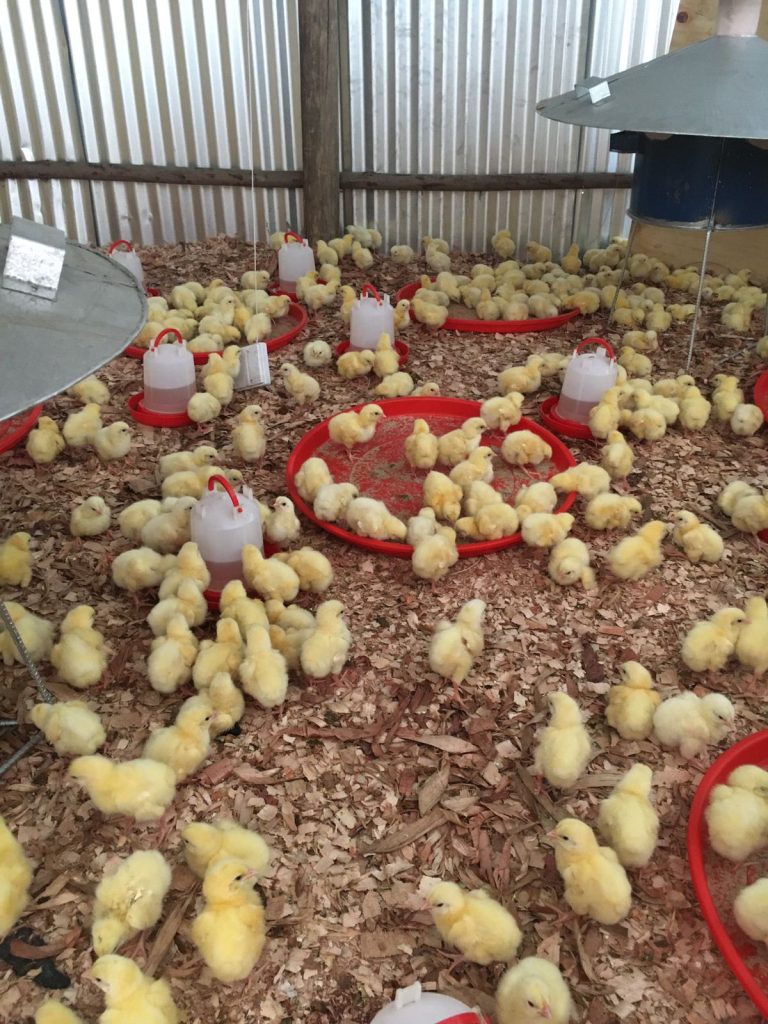
Brooding is the process of providing warmth, care, and protection to young chicks from the moment they hatch until they can regulate their body temperature independently (usually after 4–6 weeks). During this stage, chicks are very sensitive to temperature, hygiene, and ventilation, making proper housing setup essential for their survival.
Importance of a Good Poultry Housing and Brooding Setup
A well-prepared housing and brooding area ensures:
- Better chick survival rates
- Faster growth and uniform development
- Reduced disease outbreak
- Efficient feed conversion
- Easier management and monitoring
Step-by-Step Guide to Preparing Poultry Housing and Brooding Setup
1. Select a Good Location
Choose a well-drained, quiet, and easily accessible area for your poultry house. Ensure the place is:
- Free from flooding
- Far from predators and noisy environments
- Close to clean water and electricity sources
2. Design and Construction of the Poultry House
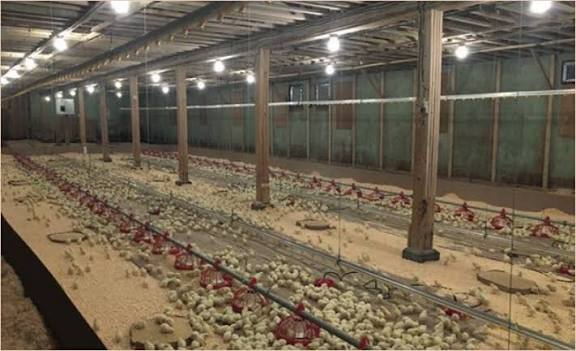
Your poultry house design should allow:
- Good ventilation: Use wire mesh or ventilation windows to allow air circulation.
- Proper lighting: Natural light during the day and artificial lights at night.
- Temperature control: Keep the environment warm and comfortable for chicks.
- Easy cleaning: Use concrete floors and design for easy manure removal.
Recommended size:
Provide 0.5 sq. ft per chick during the first few weeks. As they grow, increase space to avoid overcrowding.
3. Disinfect and Prepare the Brooder House
Before bringing in chicks:
- Wash the house thoroughly with detergent and water.
- Disinfect with formalin or approved disinfectants to kill harmful germs.
- Leave the house empty for 5–7 days before chick arrival to allow it to dry properly.
4. Set Up Brooding Equipment
Key brooding equipment includes:
- Brooder guards (circular barriers to keep chicks close to heat)
- Heat source (charcoal stove, gas brooder, or electric bulb)
- Feeders and drinkers (easily accessible to all chicks)
- Litter material (wood shavings, rice husks, or sawdust — 2–3 inches thick)
- Thermometers (to monitor temperature accurately)
5. Maintain Proper Brooding Temperature
Chicks cannot regulate their body heat during the first few weeks.
- Week 1: 32–35°C (90–95°F)
- Week 2: 29–31°C (85–88°F)
- Week 3: 26–29°C (80–85°F)
- After week 4: Gradually reduce heat until chicks are comfortable at room temperature.
Use the chicks’ behavior to monitor comfort:
- Huddling together means too cold.
- Spreading far from heat means too hot.
- Evenly scattered and active means temperature is just right.
6. Provide Adequate Lighting
Light helps chicks find feed and water easily.
- Provide 23 hours of light for the first week.
- Gradually reduce to 16 hours per day as they grow.
Use low-watt bulbs or LED lights to save energy.
7. Clean Water and Feed Arrangement
- Provide clean, fresh water before placing feed.
- Use starter feed rich in protein (20–22%) for fast growth.
- Refill feeders and drinkers regularly, keeping them clean to prevent disease.
8. Monitor and Record Daily Activities
Keep records of:
- Mortality rate
- Feed and water consumption
- Temperature readings
- Chick behavior and health
Regular monitoring helps you detect and fix problems early.
Key Brooding Management Tips
- Avoid overcrowding to reduce stress and disease.
- Replace wet litter immediately.
- Provide vaccines and medications as recommended.
- Ensure continuous access to clean water and balanced feed.
Final Thoughts
A well-prepared housing and brooding setup is the foundation for a successful poultry business. When chicks are raised in a clean, warm, and comfortable environment, they grow faster, stay healthy, and yield better profits. As a poultry farmer, investing in proper housing is investing in the future of your farm.