How to Start an Oil Palm Nursery in Nigeria
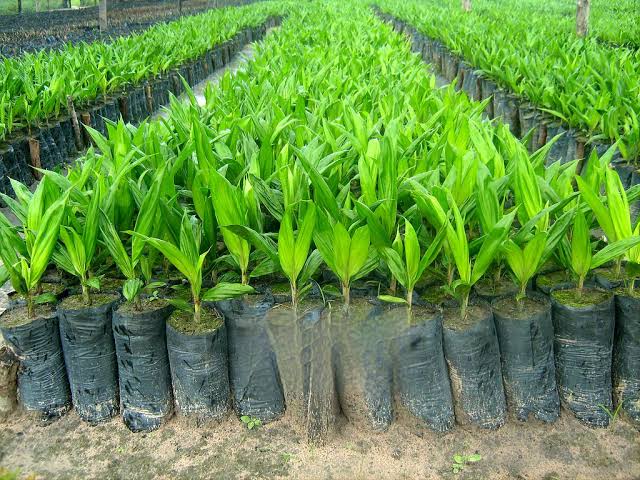
Starting an oil palm plantation successfully begins long before the seedlings are transplanted into the field. A healthy, vigorous seedling can establish quickly and eventually become a productive palm, while poor-quality or badly managed seedlings can lead to weak growth, high mortality and disappointing yields.
For a young oil palm farmer in Nigeria, learning how to establish and manage a nursery is therefore very important.
An oil palm nursery normally has two major stages:
- Pre-nursery – where young germinated seeds are first established.
- Main nursery – where the seedlings are grown until they are strong enough for field planting.
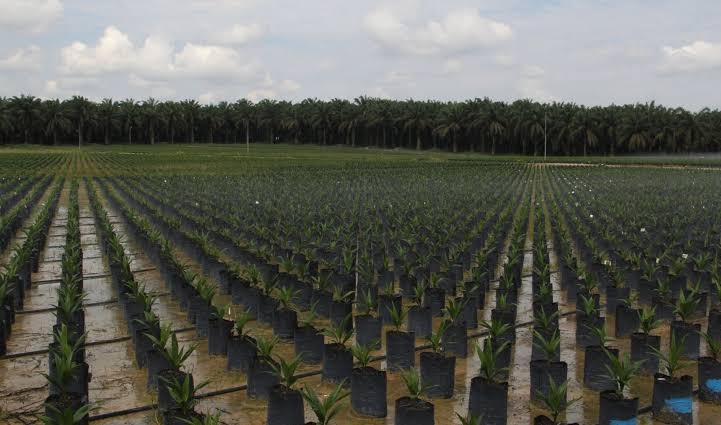
Below is a practical guide to establishing and managing an oil palm nursery.
1. Choose a Good Nursery Site
The first step is selecting a suitable location for the nursery.
A good nursery site should have:
- Reliable access to water.
- Good drainage.
- Relatively level ground.
- Adequate sunlight.
- Easy access for transporting seedlings.
- Protection from animals and unnecessary human disturbance.
- Soil that is suitable for filling nursery polybags.
Avoid areas that remain waterlogged after rainfall. Excess water around the roots can encourage root problems and poor seedling development.
The nursery should also be close enough to the plantation to make transportation of seedlings easier when it is time for transplanting.
2. Start With Genuine Oil Palm Seeds
The quality of your nursery begins with the planting material.
Young farmers should avoid buying unknown seeds simply because they are cheap. Commercial oil palm production should preferably start with improved planting material from a reputable and traceable source.
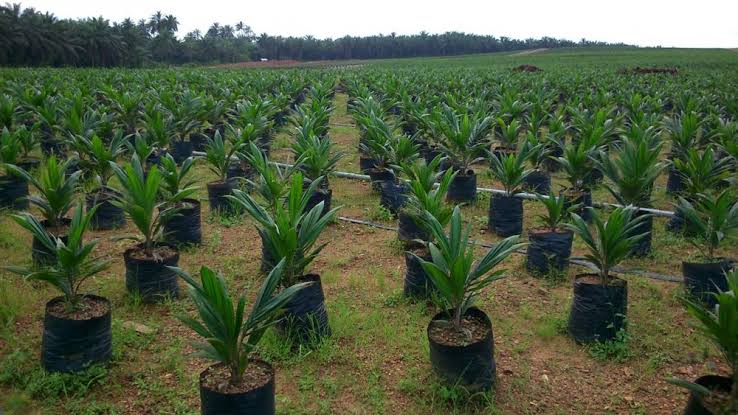
For farmers interested in tenera palms, remember that the important issue is not simply the appearance of a young seedling. Ask the supplier about:
- The source of the seeds.
- The genetic material.
- Whether the seeds are certified or properly sourced.
- The nursery or institution supplying them.
- The expected characteristics of the planting material.
- Records showing where the planting material came from.
Good management cannot completely compensate for poor genetic material.
3. Pre-Nursery Stage
The pre-nursery is the first growing stage after germination.
At this stage, very young seedlings are kept under controlled conditions while they develop their first leaves and root system.
Depending on the nursery system being used, seedlings may be established in small polybags or an appropriate nursery medium before being moved to larger bags in the main nursery.
The young seedlings require careful attention because they are still fragile.
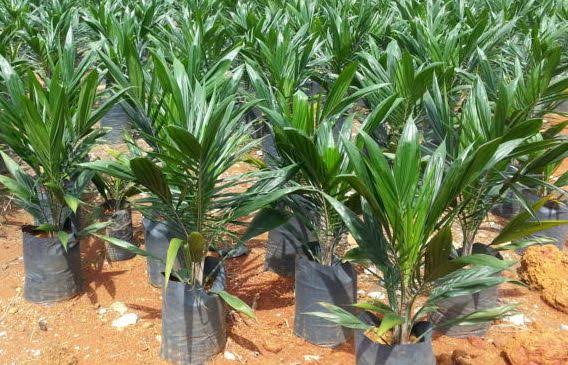
Important pre-nursery practices
Make sure the seedlings receive:
- Adequate moisture.
- Good drainage.
- Sufficient but not excessive sunlight.
- Protection from weeds.
- Protection from pests and animals.
- Proper spacing so seedlings do not compete unnecessarily.
Do not allow the nursery to become excessively wet.
At the same time, young seedlings should not be allowed to dry out severely, especially during hot periods.
4. Preparing Polybags for the Main Nursery
The main nursery is where the seedlings remain for several months while they develop into strong planting materials.
Use suitable nursery polybags that are strong enough to hold the growing medium and root system.
The bags should have adequate drainage holes.
Fill the bags with suitable soil or growing medium. Avoid using soil that is contaminated with weeds, pests or disease problems.
The soil should be reasonably fertile and have good physical structure so that roots can develop properly.
Fill the bags properly without leaving large air spaces around the root zone.
5. Arrange the Polybags Properly
After filling the polybags, arrange them in straight and manageable rows.
Good arrangement makes nursery management easier because you can:
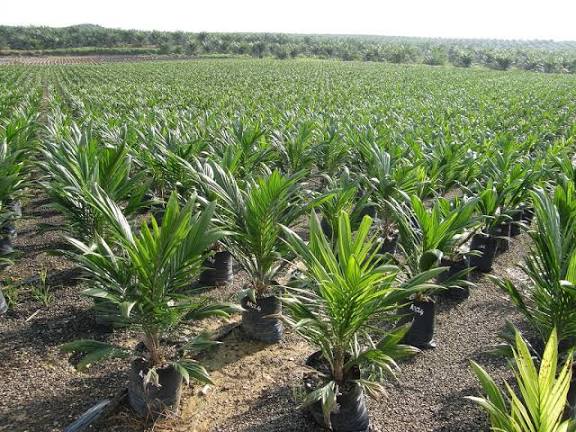
- Water the seedlings efficiently.
- Remove weeds.
- Inspect seedlings.
- Apply fertilizers when required.
- Identify unhealthy plants.
- Count your seedlings.
- Transport them more easily later.
Avoid overcrowding the bags.
Adequate spacing allows the leaves to receive sunlight and gives workers enough room to move between the seedlings.
6. Transplanting From Pre-Nursery to Main Nursery
When the young seedlings have developed sufficiently, they can be moved into the larger main-nursery polybags.
This operation needs care because rough handling can damage the roots.
Before transplanting:
- Prepare and water the larger polybags.
- Make a suitable hole in the growing medium.
- Carefully remove the young seedling.
- Avoid unnecessarily disturbing the roots.
- Place the seedling upright in the centre of the polybag.
- Cover the roots properly with soil.
- Gently firm the soil around the plant.
- Water the seedling after transplanting.
Do not bury the seedling too deeply.
The seedling should sit at an appropriate level similar to its previous planting position.
7. Watering the Nursery
Water management is one of the most important nursery operations.
Young oil palm seedlings need adequate moisture for healthy growth, but excessive watering can also cause problems.
The amount and frequency of watering should depend on:
- Rainfall.
- Temperature.
- Soil type.
- Seedling age.
- Drainage.
- Weather conditions.
During dry periods, nursery seedlings may require regular watering.
During periods of heavy rainfall, watering may need to be reduced or stopped.
The goal is to maintain adequate moisture without keeping the root zone permanently saturated.
8. Weed Control
Weeds compete with oil palm seedlings for:
- Water.
- Nutrients.
- Light.
- Space.
They can also make it difficult to inspect and manage the nursery.
Keep the area around the polybags clean.
Remove weeds regularly before they become large and difficult to control.
Weed control should include both the space inside and around the nursery.
Be careful when removing weeds close to young seedlings. Tools or careless pulling can damage the roots.
If herbicides are considered, farmers should use only products that are legally registered and appropriate for the situation, following the label and professional recommendations. Avoid careless spraying around young seedlings.
9. Fertilizer Management
Do not assume that every nursery needs the same fertilizer quantity.
Seedling nutrient requirements depend on factors such as:
- Soil fertility.
- Growing medium.
- Seedling age.
- Plant health.
- Rainfall.
- Previous fertilizer application.
Important nutrients for oil palm growth include nitrogen, potassium, magnesium and other essential nutrients.
Young farmers should avoid the mistake of applying excessive fertilizer because they believe more fertilizer will make the seedlings grow faster.
Too much fertilizer can damage young seedlings.
Where possible, base fertilizer decisions on soil analysis and appropriate nursery recommendations.
10. Protect the Seedlings From Pests and Diseases
Regular inspection is extremely important.
Walk through the nursery frequently and look for:
- Discoloured leaves.
- Chewed leaves.
- Deformed leaves.
- Stunted growth.
- Root problems.
- Wilting.
- Unusual spots or lesions.
- Dead seedlings.
Do not wait until many seedlings become unhealthy before taking action.
Remove severely damaged or dead seedlings where appropriate and investigate the cause of the problem.
If a pest or disease problem is suspected, seek advice from an agricultural extension professional or qualified agronomist before applying pesticides or fungicides.
11. Seedling Selection
Not every seedling should automatically be planted in your commercial plantation.
Before transplanting to the field, carefully inspect the nursery.
Prefer seedlings that show:
- Healthy green leaves.
- Strong and upright growth.
- Good root development.
- Uniform development.
- No obvious pest or disease damage.
- No severe physical abnormalities.
Weak, severely damaged or abnormal seedlings should not be allowed to reduce the quality of the plantation.
This is one reason nursery management is so important: the farmer has an opportunity to select strong planting materials before committing them to the field.
12. Keep Nursery Records
A professional farmer should keep records from the beginning.
Record information such as:
- Date seeds were received.
- Source of planting material.
- Number of seeds or seedlings received.
- Date of germination or establishment.
- Number of seedlings transferred to the main nursery.
- Fertilizer applications.
- Major pest or disease observations.
- Number of dead or rejected seedlings.
- Number of healthy seedlings available for planting.
Good records help you understand what is working and make future nursery operations easier.
13. Prepare the Field Before Transplanting
Do not wait until the seedlings are ready before preparing the plantation.
The field should already have been:
- Cleared appropriately.
- Properly laid out.
- Drained where necessary.
- Prepared according to the selected planting system.
- Marked for the intended spacing.
The nursery and field preparation should therefore be planned together.
14. Transplanting to the Plantation
When the seedlings are ready and field conditions are suitable, they can be transplanted from the main nursery to the field.
Handle seedlings carefully during transportation.
Avoid damaging the polybags and root balls.
Before planting, make sure the field has adequate soil moisture. Planting during a suitable period of rainfall can reduce transplanting stress, although the exact timing depends on the local climate and field conditions.
When planting:
- Transport healthy seedlings carefully.
- Place the seedling at the prepared planting point.
- Remove the polybag without damaging the root ball.
- Position the seedling upright.
- Fill the planting hole properly.
- Firm the soil around the root zone.
- Avoid burying the growing point.
- Keep the area around the young palm reasonably weed-free.
15. Common Mistakes Young Farmers Should Avoid
Several nursery mistakes can reduce the quality of an oil palm plantation.
Using cheap, unknown planting material
Saving money on seedlings can become expensive later if the palms have poor genetic potential.
Overwatering
More water does not always mean faster growth. Poor drainage and excessive watering can damage the root environment.
Allowing weeds to take over
A neglected nursery can quickly become difficult to manage.
Applying too much fertilizer
Fertilizer should be used according to the needs of the seedlings rather than guesswork.
Planting weak seedlings
Do not use severely unhealthy or abnormal seedlings simply because you have already paid for them.
Poor record keeping
Without records, it becomes difficult to know the source and history of your planting materials.
Rough handling during transplanting
Damage to the roots can affect establishment after planting.
Conclusion
Starting an oil palm nursery in Nigeria requires patience, attention and proper planning. The major stages are pre-nursery establishment, main nursery management and careful transplanting to the field.
For a young palm farmer, the most important lesson is that plantation success begins with the quality of the planting material and the care given to the seedlings before they ever reach the field.
Focus on genuine planting material, suitable polybags and growing media, proper watering, effective weed control, good nutrition, pest and disease monitoring, careful seedling selection and gentle transplanting.
A well-managed nursery gives your plantation a much stronger foundation for productive years ahead.
Remember: oil palm is a long-term investment. The quality of the seedlings you establish today can influence the performance of your plantation for many years.
Leave a Reply