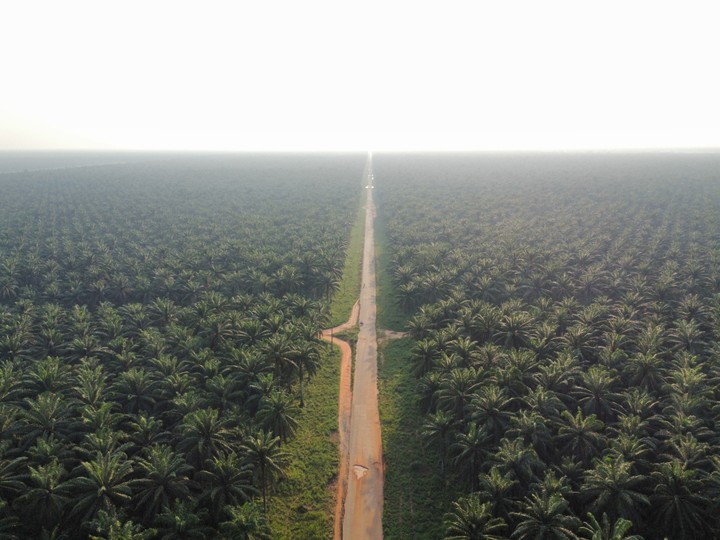
Complete Guide to Oil Palm Farming in Nigeria
Oil palm farming is one of the most profitable agricultural businesses in Nigeria. Palm oil is used in homes, food industries, cosmetics, pharmaceuticals, soap production, biodiesel, and livestock feed. Because demand for palm oil continues to increase locally and internationally, starting an oil palm plantation can provide long-term income.
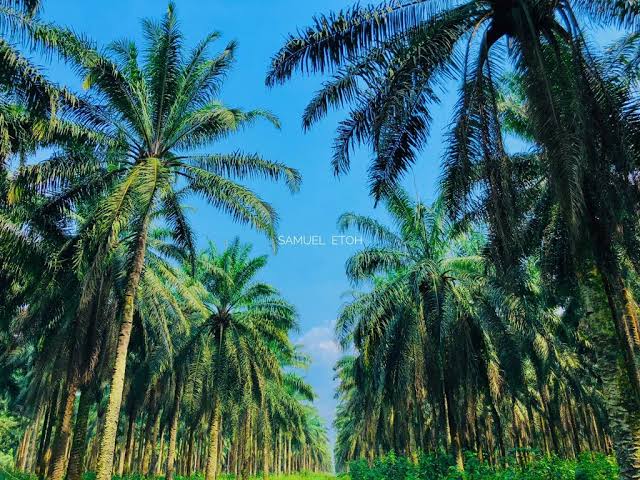
Unlike seasonal crops, oil palm is a perennial crop that can remain productive for 25–30 years when properly managed. Although it takes several years before full production begins, the returns can be substantial.
This guide explains everything young farmers need to know before investing in oil palm farming.
What Is Oil Palm?
Oil palm (Elaeis guineensis) is a tropical tree grown mainly for its fruits. The fruits produce:
- Palm oil (from the fleshy fruit)
- Palm kernel oil (from the seed)
- Palm kernel cake (used in livestock feed)
- Palm wine (from the sap)
- Palm fronds for mulching and fencing
- Empty fruit bunches for compost and organic fertilizer
Almost every part of the oil palm tree has economic value.
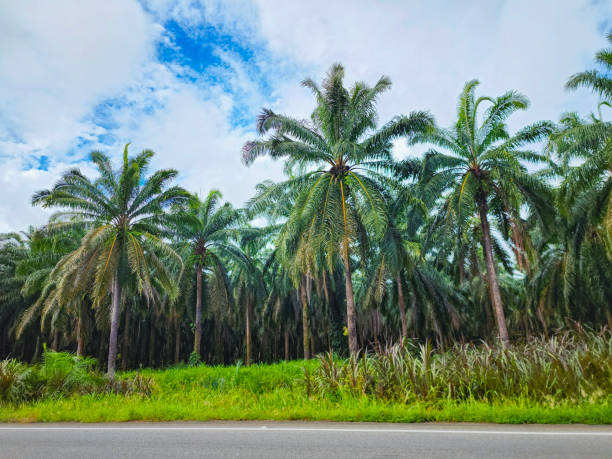
Why Invest in Oil Palm Farming?
Oil palm farming offers several advantages:
- High demand throughout the year
- Long productive lifespan
- Multiple income sources
- Low maintenance after establishment
- Suitable for small and large-scale farming
- Creates employment opportunities
- Generates foreign exchange through exports
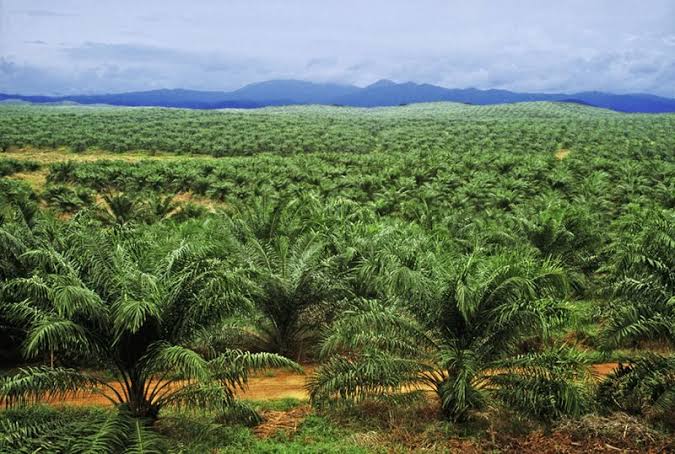
Best Climate for Oil Palm Farming
Oil palm grows best under the following conditions:
- Temperature: 24°C–32°C
- Annual rainfall: 1,800–2,500 mm
- High humidity
- Plenty of sunshine
- Well-drained fertile soil
- Soil pH between 4.5 and 6.5
Best States for Oil Palm Farming in Nigeria
Oil palm performs well in many southern states, including:
- Akwa Ibom
- Cross River
- Rivers
- Bayelsa
- Delta
- Edo
- Ondo
- Imo
- Abia
- Enugu
- Ebonyi
- Anambra
- Ogun
- Osun
- Ekiti
Some parts of the Middle Belt also support oil palm cultivation with adequate rainfall.
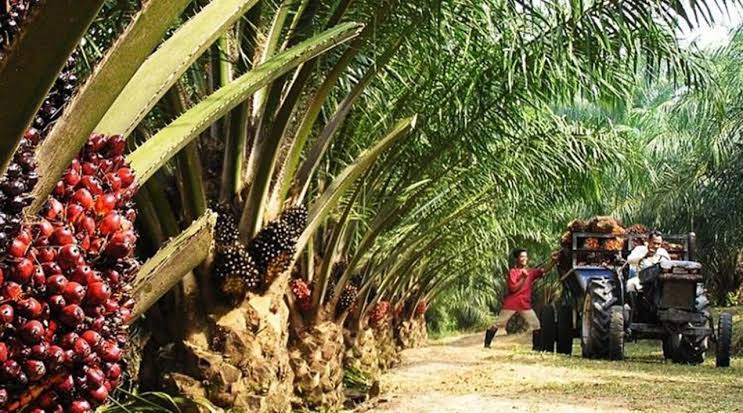
Choosing the Right Variety
Improved varieties produce more fruits and begin fruiting earlier.
Common varieties include:
- Tenera (best commercial variety)
- Dura
- Pisifera
Most commercial plantations prefer Tenera because it produces higher oil yields.
Land Selection
Choose land that has:
- Deep fertile soil
- Good drainage
- Reliable rainfall
- Easy road access
- Adequate sunlight
- Little flooding
Avoid rocky or waterlogged land.
Land Preparation
Proper preparation improves growth.
Steps include:
- Survey the land
- Clear bushes
- Remove tree stumps
- Plough if necessary
- Mark planting positions
- Construct drainage channels where needed
Raising Oil Palm Seedlings
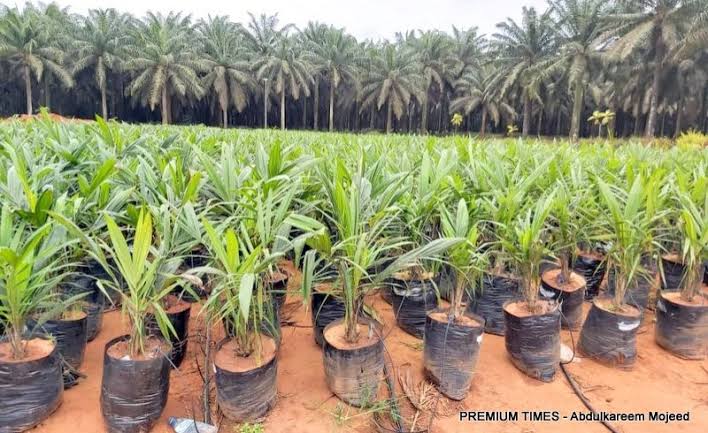
Seedlings are usually raised in nurseries before transplanting.
Nursery Requirements
- Fertile topsoil
- Polybags
- Clean water
- Partial shade for young seedlings
Seedlings remain in the nursery for about 10–12 months before field planting.
Planting
Plant at the beginning of the rainy season.
Recommended spacing:
- 9 metres × 9 metres
- Triangular planting pattern
This gives about 143 palms per hectare.
Dig planting holes about 60 cm wide and 60 cm deep.
Mix topsoil with compost or well-decomposed manure before planting.
Fertilizer Application
Oil palms require nutrients for healthy growth.
Common fertilizers include:
- NPK
- Urea
- Potassium fertilizers
- Organic manure
- Compost
Apply fertilizer based on soil test recommendations whenever possible.
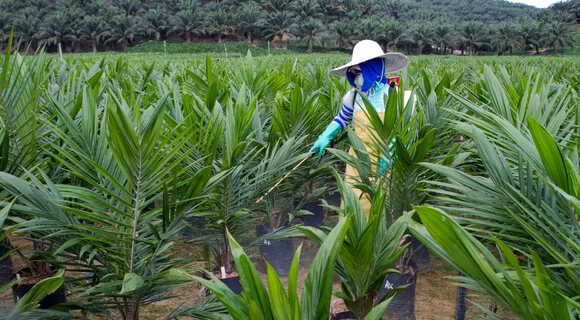
Weed Control
Weeds compete for nutrients and water.
Control methods include:
- Manual weeding
- Mulching
- Cover crops
- Approved herbicides
Young plantations require frequent weed control.
Mulching
Mulching helps:
- Conserve soil moisture
- Reduce weed growth
- Improve soil fertility
- Prevent erosion
Palm fronds, dry grasses, and leaves are suitable mulching materials.
Irrigation
Although oil palm depends mainly on rainfall, irrigation helps during prolonged dry periods, especially for young plants.
Pruning
Regular pruning removes:
- Dead leaves
- Diseased fronds
- Broken branches
Benefits include:
- Better airflow
- Easier harvesting
- Reduced pest infestation
- Improved fruit production
Common Pests
Oil palm farmers should monitor for:
- Rhinoceros beetles
- Palm weevils
- Caterpillars
- Rodents
- Grasscutters
Maintain good farm hygiene and use approved control measures when necessary.
Common Diseases
Major diseases include:
- Fusarium wilt
- Bud rot
- Basal stem rot
- Leaf spot diseases
Early detection and proper field sanitation help reduce disease spread.
Harvesting
Oil palms usually begin producing fruits:
- 2½–3 years after planting (improved varieties)
- Full production starts around 7–8 years
Harvest when most fruits on the bunch are ripe.
Avoid harvesting unripe bunches because oil quality will be lower.
Processing Palm Fruits
Processing involves:
- Harvesting fresh fruit bunches
- Sterilization
- Threshing
- Digestion
- Pressing
- Clarification
- Storage
Modern processing equipment increases oil extraction efficiency and reduces losses.
Marketing
Oil palm products have ready markets.
You can sell:
- Fresh fruit bunches
- Palm oil
- Palm kernels
- Palm kernel oil
- Palm kernel cake
- Palm seedlings
Potential buyers include:
- Food processors
- Soap manufacturers
- Cosmetic companies
- Local markets
- Exporters
- Livestock feed manufacturers
Challenges of Oil Palm Farming
Some common challenges include:
- High initial investment
- Long waiting period before full harvest
- Pest attacks
- Diseases
- Poor roads
- Price fluctuations
- Labour shortages
- Climate change
Good planning can reduce many of these risks.
Tips for Success
- Buy certified seedlings.
- Start with fertile land.
- Keep accurate farm records.
- Weed regularly.
- Apply fertilizers correctly.
- Scout for pests and diseases.
- Harvest at the right time.
- Process fruits quickly after harvest.
- Join farmer cooperatives.
- Continue learning modern farming techniques.
Is Oil Palm Farming Profitable?
Yes. Oil palm farming is one of the most profitable long-term agricultural investments in Nigeria. A well-managed plantation can produce income for over two decades. Farmers can increase profits by processing fresh fruit bunches into palm oil instead of selling them raw, adding value and creating multiple streams of income.
Conclusion
Oil palm farming is a rewarding venture for young Nigerians willing to invest time and effort. Success begins with quality seedlings, suitable land, proper plantation management, timely fertilizer application, effective pest control, and good harvesting practices. With patience and consistent care, an oil palm plantation can provide reliable income for many years while contributing to Nigeria’s food security and agricultural economy.
Leave a Reply