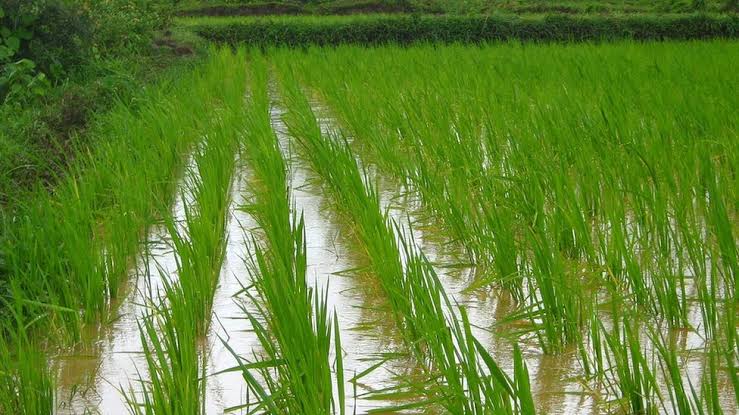
What is Rice Farming?https://agrianimal.com.ng/
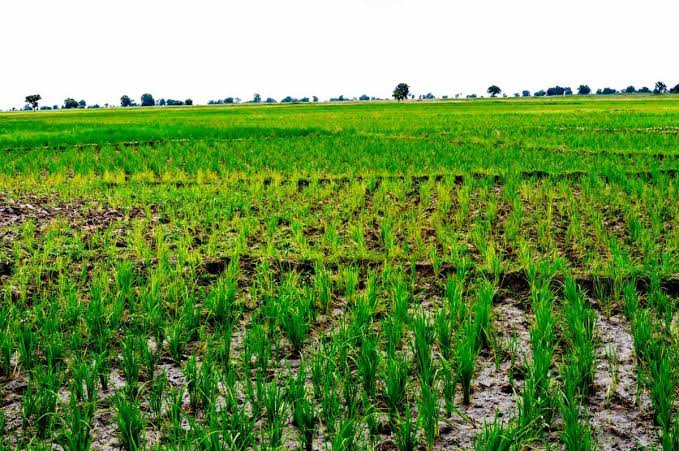
Rice farming is the process of cultivating rice from planting to harvesting. It involves preparing suitable farmland, selecting quality seeds, planting, managing water, controlling weeds and pests, applying fertilizers, and harvesting mature rice grains. Rice is one of the most important staple foods in Nigeria, making rice farming a profitable agricultural business and a key contributor to food security.
Nigeria has a high demand for rice, and local production continues to grow. This creates excellent opportunities for both small-scale and commercial farmers to earn income while helping reduce the country’s dependence on imported rice.
Why Rice Farming is Important in Nigeria
Rice is consumed daily by millions of Nigerians, making it one of the country’s most valuable food crops. Rice farming offers several benefits, including:
- Generates income for farmers.
- Creates employment opportunities in rural communities.
- Supports Nigeria’s food security.
- Reduces reliance on imported rice.
- Supplies raw materials for rice mills and food industries.
- Contributes to economic growth and agricultural development.
Types of Rice Farming in Nigeria
There are different methods of cultivating rice depending on the environment and available resources.
1. Rainfed Upland Rice Farming
This method depends entirely on rainfall. Rice is grown on dry land without flooding. It is common in many parts of southern and central Nigeria.
2. Rainfed Lowland Rice Farming
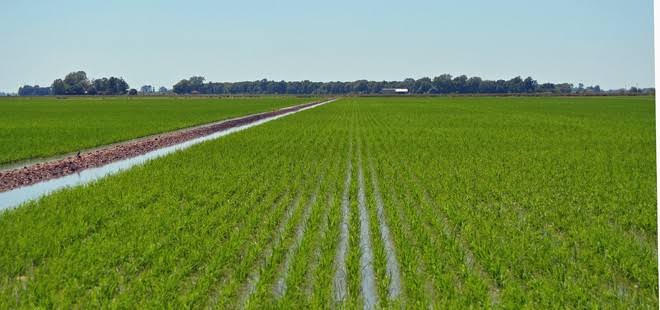
Rice is cultivated in low-lying areas where rainwater naturally collects. This is the most common rice production system in Nigeria.
3. Irrigated Rice Farming
Farmers use irrigation systems to supply water throughout the growing season. This method produces higher yields because water is available even during the dry season.
4. Floodplain (Fadama) Rice Farming
Rice is grown in flood-prone areas after rivers overflow during the rainy season. These fertile lands support healthy rice growth.
Conditions Required for Successful Rice Farming
To achieve high yields, farmers should ensure the following:
- Fertile, well-drained or water-retaining soil depending on the farming system.
- Reliable water supply.
- Certified, high-yielding rice seed varieties.
- Good land preparation.
- Proper fertilizer application.
- Effective weed, pest, and disease control.
- Timely planting and harvesting.
Steps in Rice Farming
1. Land Selection
Choose fertile land with good water availability. Avoid fields that remain waterlogged unless growing lowland rice.
2. Land Preparation
Clear bushes, remove tree stumps, plough, harrow, and level the land. Good land preparation encourages healthy root development.
3. Seed Selection
Use certified, disease-free rice seeds that are suitable for your region. Quality seeds produce healthier plants and higher yields.
4. Nursery Establishment (Optional)
Some farmers first raise seedlings in a nursery before transplanting them into the main field.
5. Planting
Rice can be planted by direct seeding or by transplanting seedlings. Proper spacing improves sunlight penetration and reduces competition among plants.
6. Water Management
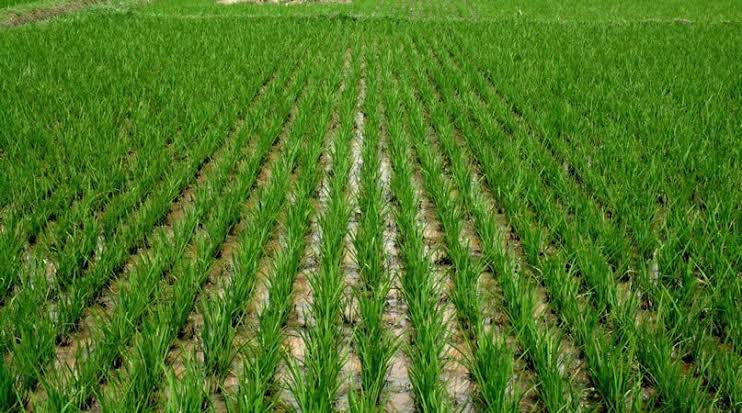
Maintain adequate water levels throughout the growing period, especially during flowering and grain filling.
7. Fertilizer Application
Apply fertilizers according to soil requirements. Balanced nutrition improves plant growth and increases grain production.
8. Weed Control
Control weeds early using manual weeding, mechanical methods, or approved herbicides to prevent yield losses.
9. Pest and Disease Management
Monitor fields regularly for insects, rodents, birds, and diseases. Use integrated pest management practices to minimize damage.
10. Harvesting
Harvest rice when about 80–90% of the grains have turned golden brown. Harvesting at the right time improves grain quality and reduces losses.
11. Drying and Storage
Dry harvested rice properly to reduce moisture before storage. Store grains in clean, dry, and pest-free facilities to maintain quality.
Challenges Facing Rice Farmers in Nigeria
Despite its profitability, rice farming comes with several challenges:
- Unpredictable rainfall.
- Flooding and drought.
- High cost of fertilizers and farm inputs.
- Pest and disease outbreaks.
- Poor access to irrigation.
- Limited access to finance.
- Poor rural road networks.
- Price fluctuations during harvest seasons.
Proper planning and modern farming techniques can help farmers overcome many of these challenges.
Tips for Successful Rice Farming
- Use improved, certified rice varieties.
- Plant at the right time for your location.
- Prepare the land thoroughly before planting.
- Apply fertilizers based on soil needs.
- Control weeds early.
- Monitor pests and diseases regularly.
- Harvest at the correct maturity stage.
- Dry and store rice properly to reduce post-harvest losses.
- Keep records of farm expenses and income.
- Continue learning improved farming practices through agricultural extension services and research institutions.
Is Rice Farming Profitable in Nigeria?
Yes. Rice farming is one of the most profitable agricultural businesses in Nigeria because demand for rice remains high throughout the year. Farmers who use improved seeds, proper land preparation, good water management, and effective crop management practices can achieve high yields and good returns on investment.
Conclusion
Rice farming is a rewarding agricultural enterprise that offers significant opportunities for income generation and food production in Nigeria. Whether you are a beginner or an experienced farmer, success depends on careful planning, quality inputs, proper farm management, and continuous learning. By adopting modern rice farming practices, Nigerian farmers can increase productivity, improve grain quality, and build sustainable agricultural businesses.
Leave a Reply