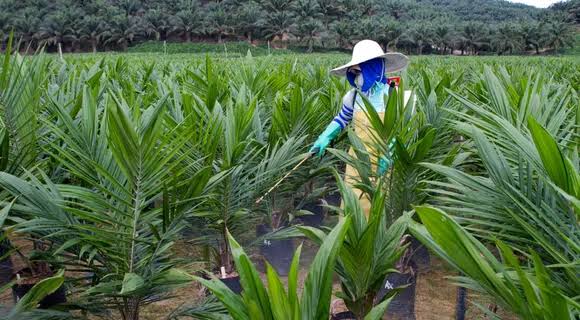
Starting an oil palm plantation can be one of the most rewarding agribusiness ventures in Nigeria and other tropical regions. Palm oil is used in cooking, cosmetics, biofuel, and several industrial products — making it one of the most valuable agricultural commodities in the world.
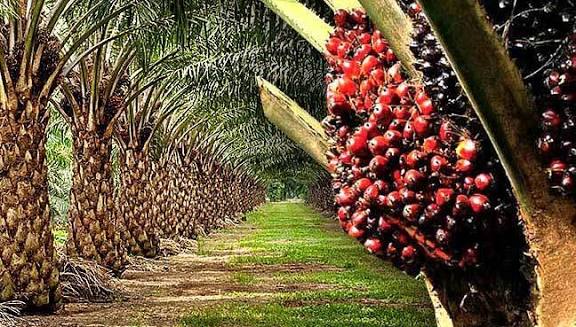
What Is Oil Palm Farming?
Oil palm farming involves cultivating palm trees (Elaeis guineensis) to produce palm oil and palm kernel oil. These trees thrive in tropical climates with high rainfall and humidity, making Nigeria — especially the southern region — ideal for oil palm cultivation.
Step-by-Step Guide to Starting an Oil Palm Plantation
1. Choose the Right Location
Location is the foundation of your success.
Oil palm trees grow best in:
- Areas with annual rainfall between 1500–2500 mm
- Well-drained, loamy soil rich in nutrients
- Temperatures between 25–32°C
- Flat or gently sloping land for easy maintenance
Best regions in Nigeria include:
- Edo State
- Delta State
- Cross River State
- Akwa Ibom State
- Ondo State
2. Land Preparation
Before planting, prepare the land properly:
- Clear the land of weeds and unwanted vegetation
- Plough and harrow the soil for better root penetration
- Create planting rows (usually 9 meters apart)
- Construct drainage systems if the area retains water
3. Select Quality Oil Palm Seeds
The success of your farm depends on the type of seedlings you plant.
Common varieties include:
- Tenera (Hybrid) – High-yielding and preferred by commercial farmers
- Dura – Thicker shell, lower oil content
- Pisifera – Sterile but used for breeding
Buy certified Tenera seedlings from reputable research institutes like NIFOR (Nigerian Institute for Oil Palm Research).
4. Nursery Establishment
Set up a nursery before transplanting to the main field.
Steps:
- Fill polybags with rich topsoil mixed with compost.
- Plant one seed per bag.
- Water regularly and protect from pests.
- After 12–15 months, when the seedlings reach 1 meter high, they can be transplanted.
5. Transplanting to the Main Farm
Transplant during the rainy season for better survival.
- Dig holes about 60 cm deep and 60 cm wide.
- Apply organic manure before planting.
- Space palms about 9 meters apart (143 palms per hectare).
- Water young plants regularly for the first 6 months.
6. Weed and Pest Control
- Weed control: Use herbicides or manual weeding every 2–3 months.
- Pest control: Monitor for pests like rhinoceros beetles and leaf miners. Use approved pesticides and biological control methods.
7. Fertilizer Application
Fertilize regularly for optimum yield.
Recommended fertilizers:
- NPK 15:15:15 for young palms
- Urea, MOP, and Superphosphate for mature palms
Apply 3–4 times per year, depending on soil test results.
8. Harvesting
Oil palms begin fruiting 3–4 years after planting.
- Harvest when the fruit bunches turn red-orange.
- Use a cutlass or sickle to cut the bunches.
- Process immediately to avoid oil loss.
9. Palm Oil Processing
To extract palm oil:
- Sterilize the fruit bunches using steam or hot water.
- Strip the fruits from the bunches.
- Digest and press to extract crude palm oil.
- Clarify and store the oil in clean containers.
10. Marketing and Profitability
Palm oil is always in high demand both locally and internationally.
You can sell:
- Crude Palm Oil (CPO)
- Palm Kernel Oil (PKO)
- Palm Kernel Cake (PKC)
With proper management, you can earn millions of naira annually after the plantation matures (4–5 years).
Additional Tips for Oil Palm Farmers
- Register your farm with local agricultural authorities.
- Join oil palm cooperatives for access to funding and training.
- Invest in modern palm oil processing machines.
- Reinvest profits to expand your plantation.
Conclusion
Starting an oil palm plantation in Nigeria is a long-term investment with massive profit potential. With proper planning, good management, and the right seedlings, you can build a sustainable agribusiness that supports local industries and creates jobs.
Leave a Reply