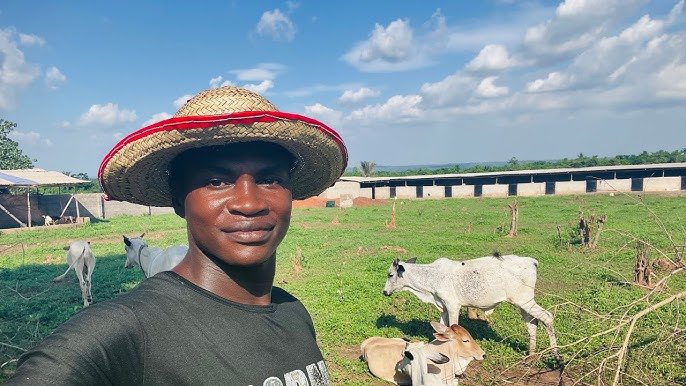
Mixed Cattle Farming
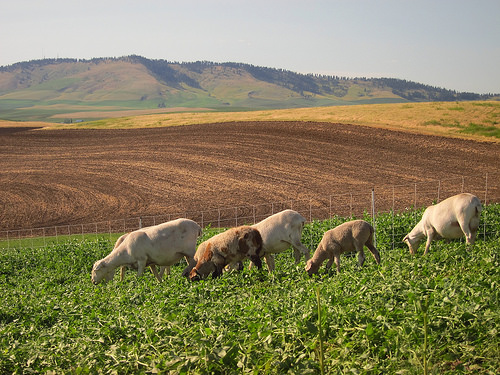
Mixed cattle farming is a farming system where cattle are raised alongside crop production on the same farm. This method allows farmers to use available resources more efficiently while increasing productivity and reducing waste. It is one of the most sustainable and profitable farming systems for beginners and experienced farmers alike.
If you are planning to start cattle farming, understanding mixed cattle farming can help you build a successful and environmentally friendly farm.
What Is Mixed Cattle Farming?
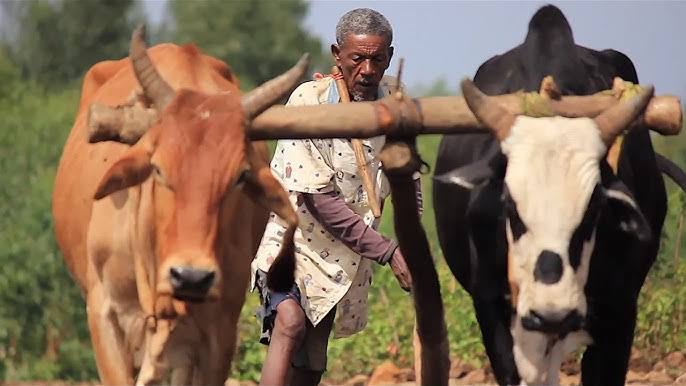
Mixed cattle farming is the practice of combining cattle rearing with crop cultivation. Instead of raising cattle alone, farmers also grow crops such as maize, sorghum, millet, rice, pasture grasses, legumes, or vegetables.
The crops provide feed for the cattle, while the cattle produce manure that improves soil fertility for crop production.
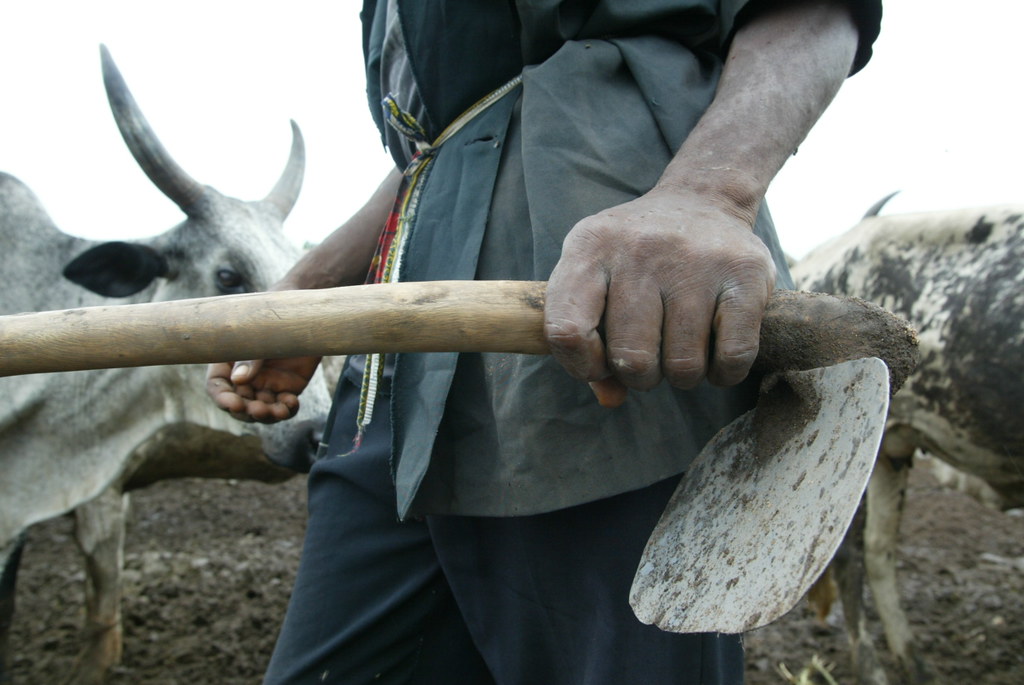
How Mixed Cattle Farming Works
A mixed cattle farm operates in a cycle:
- Crops produce feed for cattle.
- Cattle eat crop residues and pasture.
- Cattle produce manure.
- Manure is used to fertilize crops.
- Healthy crops produce higher yields.
- The cycle continues, reducing waste and increasing profits.
This farming system helps farmers make the best use of land, labour, and farm resources.
Types of Mixed Cattle Farming
1. Crop and Beef Cattle Farming
Farmers raise beef cattle while growing crops such as maize or pasture grasses.
The harvested crops provide food for the family or market, while crop residues feed the cattle.
2. Crop and Dairy Farming
Dairy cattle are kept for milk production while crops are grown for animal feed and human consumption.
This system provides daily income from milk and seasonal income from crop harvests.
3. Pasture-Based Mixed Farming
Farmers combine natural grazing with crop production.
During the rainy season, cattle graze on pasture, while crop residues become an important feed source during the dry season.
Benefits of Mixed Cattle Farming
Better Use of Land
One piece of land serves two purposes—crop production and livestock farming—making farming more productive.
Lower Feeding Costs
Crop residues such as maize stalks, rice straw, and groundnut haulms can be fed to cattle, reducing the need to buy expensive feeds.
Improved Soil Fertility
Cattle manure adds organic matter and nutrients to the soil, improving crop yields naturally.
Increased Farm Income
Farmers earn money from several sources, including:
- Milk
- Beef
- Calves
- Crop harvests
- Manure sales (where there is demand)
Having multiple income streams reduces financial risk.
Reduced Waste
Very little goes to waste. Crop residues become animal feed, while animal waste becomes fertilizer.
Improved Food Security
Mixed farming provides meat, milk, grains, vegetables, and other farm products for the household.
Challenges of Mixed Cattle Farming
Although profitable, mixed farming has some challenges:
- High initial investment
- Labour-intensive management
- Disease control
- Weather changes affecting crops and pasture
- Water shortages during dry seasons
- Need for proper planning and record keeping
Good management helps reduce these challenges.
Best Crops to Grow in Mixed Cattle Farming
Suitable crops include:
- Maize
- Sorghum
- Millet
- Rice
- Napier grass
- Guinea grass
- Elephant grass
- Alfalfa
- Cowpea
- Soybean
- Groundnut
- Cassava
These crops provide both food for humans and feed for cattle.
Choosing the Right Cattle Breed
Select breeds based on your farming goals.
Beef Production
- White Fulani
- Brahman
- Angus
- Hereford
Dairy Production
- Holstein Friesian
- Jersey
- Ayrshire
- Brown Swiss
Dual-Purpose Breeds
These breeds produce both milk and meat, making them suitable for mixed farming.
Housing Requirements
Provide cattle with:
- Clean and dry shelters
- Good ventilation
- Adequate shade
- Strong fencing
- Feeding troughs
- Constant access to clean drinking water
Proper housing reduces disease and improves animal welfare.
Feeding Management
A balanced diet should include:
- Fresh pasture
- Hay
- Silage
- Crop residues
- Concentrate feeds
- Mineral supplements
- Clean water at all times
Nutrition directly affects growth, milk production, and reproduction.
Health Management
Maintain healthy cattle by:
- Vaccinating according to veterinary schedules
- Deworming regularly
- Controlling ticks and flies
- Isolating sick animals
- Keeping housing clean
- Consulting a veterinarian when problems arise
Healthy cattle are more productive and profitable.
Record Keeping
Keep records of:
- Births
- Deaths
- Breeding dates
- Vaccinations
- Feed expenses
- Milk production
- Weight gain
- Crop harvests
- Sales and income
Good records help you evaluate farm performance and make better decisions.
Tips for Beginners
- Start with a manageable number of cattle.
- Grow enough pasture and fodder before expanding.
- Learn from experienced farmers and livestock extension officers.
- Maintain strict hygiene on the farm.
- Budget carefully and avoid unnecessary expenses.
- Keep accurate farm records.
- Focus on quality feeding and disease prevention.
- Expand your herd gradually as your experience and finances grow.
Is Mixed Cattle Farming Profitable?
Yes. Mixed cattle farming can be highly profitable because it combines crop and livestock production. Farmers benefit from multiple income sources, lower feeding costs, improved soil fertility, and more efficient use of land. With good planning, proper feeding, sound animal health practices, and effective farm management, mixed cattle farming can provide a sustainable and reliable source of income for many years.
Conclusion
Mixed cattle farming is one of the best farming systems for young farmers and anyone interested in livestock production. By combining cattle rearing with crop farming, you can reduce waste, improve soil fertility, lower production costs, and increase farm profits. Success depends on careful planning, choosing suitable cattle breeds and crops, maintaining good animal health, and keeping accurate records. With dedication and proper management, mixed cattle farming can become a rewarding and sustainable agricultural business.
Leave a Reply