Importance of Cattle Farming: A Complete Guide for Beginners
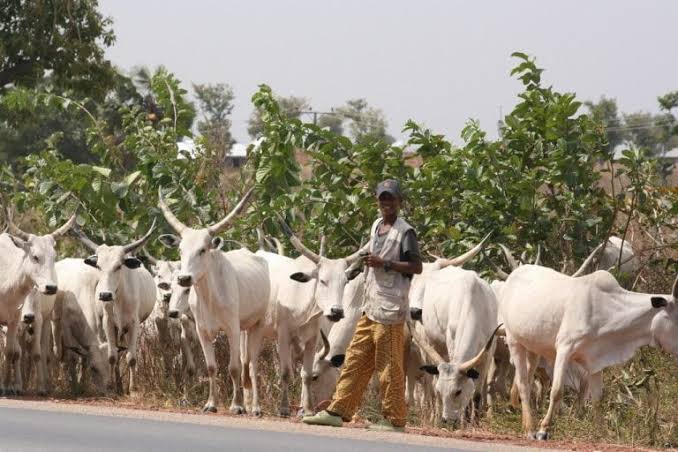
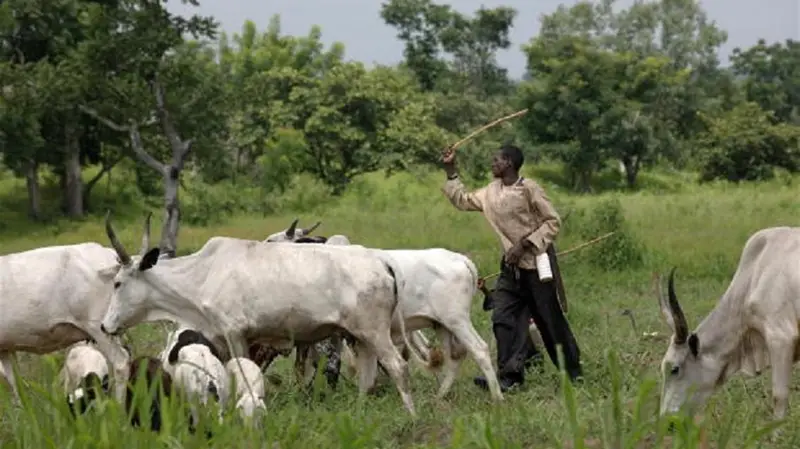
Cattle farming is one of the oldest and most profitable agricultural businesses in the world. It involves raising cattle for meat, milk, breeding, leather, manure, and other valuable products. Whether you are planning to start a small herd or establish a large commercial ranch, understanding the importance of cattle farming will help you make informed decisions and build a successful business.
This guide explains why cattle farming is important, the benefits it offers, and why many young farmers are investing in the industry.
What Is Cattle Farming?
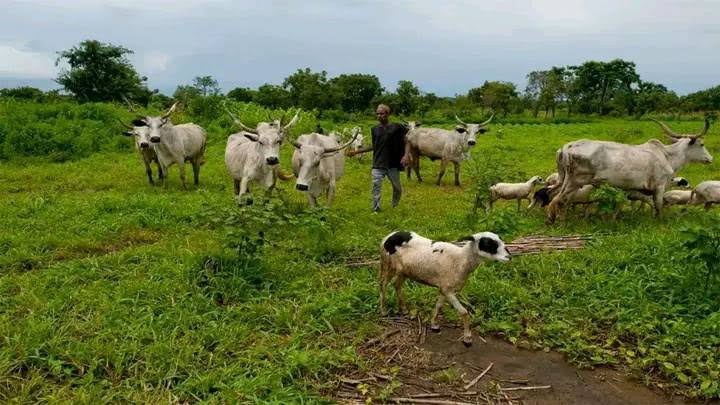
Cattle farming is the practice of breeding and raising cattle for various agricultural purposes. Farmers keep cattle to produce beef, milk, breeding stock, hides, organic manure, and even draught power in some rural communities.
Depending on your goals, you can specialize in:
- Beef cattle farming
- Dairy cattle farming
- Breeding cattle
- Mixed cattle production
Importance of Cattle Farming
1. Provides Food for the Population
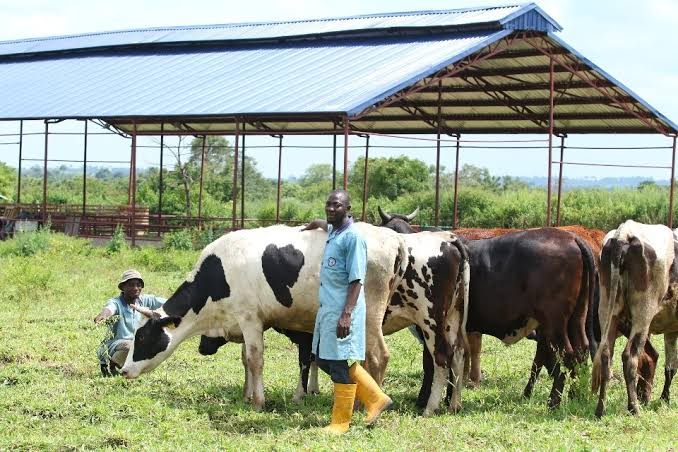
One of the greatest benefits of cattle farming is food production. Cattle provide nutritious products such as:
- Beef
- Milk
- Cheese
- Butter
- Yogurt
- Cream
These products are rich in protein, calcium, vitamins, and essential minerals needed for healthy growth and development.
2. Creates Employment Opportunities
Cattle farming creates jobs for many people across the agricultural value chain. Employment opportunities include:
- Farm workers
- Herdsmen
- Veterinarians
- Feed suppliers
- Meat processors
- Milk processors
- Transporters
- Livestock marketers
- Equipment suppliers
A successful cattle farm can support many families through direct and indirect employment.
3. Generates Income
Cattle farming is a profitable business when managed properly. Farmers earn income by selling:
- Live cattle
- Beef
- Milk
- Breeding bulls
- Heifers
- Calves
- Leather
- Organic manure
Some farmers also generate additional income through artificial insemination and breeding services.
4. Improves Food Security
As the population continues to grow, the demand for animal protein also increases. Cattle farming helps ensure a steady supply of meat and dairy products, reducing food shortages and improving national food security.
5. Supplies Raw Materials to Industries
Many industries rely on cattle products. Examples include:
- Leather manufacturing
- Dairy processing
- Pharmaceutical companies
- Cosmetic manufacturers
- Gelatin production
- Animal feed industries
These industries contribute significantly to economic growth.
6. Produces Organic Fertilizer
Cattle manure is an excellent organic fertilizer. It improves soil fertility by:
- Increasing soil nutrients
- Improving soil structure
- Enhancing water retention
- Supporting beneficial microorganisms
Many crop farmers use cattle manure to reduce dependence on chemical fertilizers.
7. Supports Crop Farming
Mixed farming allows farmers to combine crop and livestock production. Crop residues such as maize stalks, rice straw, and groundnut haulms can be used as cattle feed, while manure from cattle fertilizes the crops. This system reduces waste and increases farm efficiency.
8. Encourages Rural Development
Large cattle farms stimulate economic activities in rural communities by increasing demand for:
- Veterinary services
- Feed production
- Water supply
- Transportation
- Local markets
- Agricultural equipment
This creates business opportunities and improves rural livelihoods.
9. Preserves Valuable Breeds
Cattle farming helps conserve indigenous and improved cattle breeds. Proper breeding programs improve:
- Meat quality
- Milk production
- Disease resistance
- Fertility
- Adaptability to local climates
Maintaining healthy breeding stock ensures sustainable livestock production for future generations.
10. Supports Export Earnings
Countries with strong cattle industries export beef, leather, dairy products, breeding animals, and other livestock products. These exports generate foreign exchange and contribute to national economic development.
11. Builds Wealth
Cattle are considered valuable assets. Farmers can increase their herd through breeding, making cattle farming a long-term investment that builds wealth over time.
Many livestock farmers expand from a few animals to hundreds through proper herd management.
12. Makes Use of Marginal Land
Cattle can graze on grasslands and areas unsuitable for crop farming. This allows farmers to make productive use of land that would otherwise remain unused.
Why Young Farmers Should Consider Cattle Farming
Young people looking for opportunities in agriculture should consider cattle farming because it:
- Has high demand for beef and dairy products
- Can generate regular income
- Offers opportunities for business expansion
- Creates employment
- Supports sustainable agriculture
- Can be started on a small scale and expanded gradually
With proper planning, training, and management, young farmers can build successful cattle enterprises.
Challenges to Be Aware Of
Although cattle farming has many benefits, beginners should prepare for common challenges such as:
- High startup costs
- Animal diseases
- Feed shortages during the dry season
- Water scarcity
- Theft and security concerns
- Poor breeding management
- Fluctuating market prices
Understanding these challenges allows farmers to plan ahead and reduce risks.
Tips for Success
To succeed in cattle farming:
- Choose healthy, high-quality breeds.
- Provide clean water every day.
- Feed cattle a balanced diet.
- Vaccinate and deworm animals regularly.
- Keep accurate farm records.
- Build secure and comfortable housing.
- Learn from experienced farmers and livestock experts.
- Develop a reliable market before expanding your herd.
Conclusion
Cattle farming plays a vital role in food production, employment, income generation, and economic development. It supplies nutritious meat and milk, provides organic fertilizer, supports industries, and creates business opportunities throughout the livestock value chain.
For young farmers and aspiring livestock entrepreneurs, cattle farming offers a rewarding opportunity to build a sustainable and profitable agricultural business. Success depends on proper planning, good animal health management, quality feeding, and continuous learning. With patience and dedication, cattle farming can become a reliable source of income and long-term financial security.
Leave a Reply