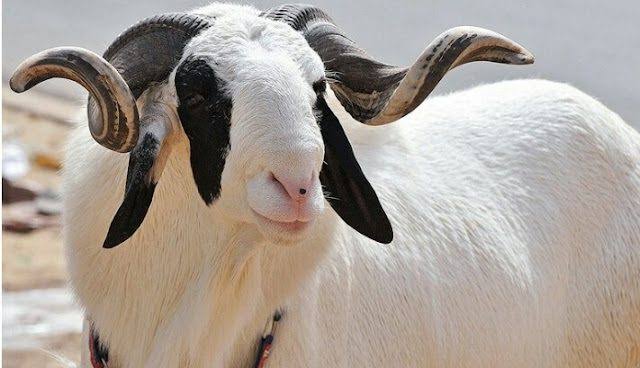
Health Management for Sheep in Nigeria
Keeping your sheep healthy is one of the most important responsibilities in sheep farming. Good health management reduces losses, increases growth rate, and improves overall profitability.

Common Diseases in Sheep
1. PPR (Peste des Petits Ruminants)
- A highly contagious viral disease common in West Africa
- Affects young and adult sheep
- Can cause heavy losses if not controlled
Symptoms
- High fever
- Nasal discharge
- Coughing
- Severe diarrhea
- Loss of appetite
- Weakness
Control
- Vaccination (very important)
- Isolate sick animals
- Maintain good hygiene
2. Foot Rot
Caused by bacteria and worsened by wet, muddy environments.
Symptoms
- Lameness (animals limping)
- Foul smell from hooves
- Swollen, decaying hoof tissue
Control
- Keep pens dry
- Trim hooves regularly
- Use footbath with antiseptic
3. Pneumonia
Common during rainy season or harmattan due to cold and stress.
Symptoms
- Difficulty breathing
- Rapid breathing
- Coughing
- Nasal discharge
Control
- Provide proper shelter
- Reduce overcrowding
- Avoid sudden weather exposure
4. Worm Infestation
Very common in Nigerian farms due to contaminated pasture.
Symptoms
- Weight loss
- Diarrhea
- Weakness
- Swollen lower jaw (“bottle jaw”)
Control
- Regular deworming
- Rotate grazing areas
- Provide clean drinking water
5. Bloat
Occurs when sheep eat too much fresh legume or concentrate feed too fast.
Symptoms
- Swollen left side of the stomach
- Difficulty breathing
- Anxiety and restlessness
Control
- Introduce new feed gradually
- Avoid grazing on wet legumes
- Provide roughage (hay, dry grass)
Vaccination Schedule (Nigeria)
A basic recommended schedule:
| Disease | Vaccine Time |
|---|---|
| PPR | Once yearly |
| Clostridial diseases (enterotoxemia, tetanus) | Once yearly |
| Anthrax | Once yearly (in areas where anthrax occurs) |
| Pasteurella (for pneumonia) | Every 6–12 months |
Tip:
Always buy vaccines from a certified vet or agro-vet store and follow proper handling instructions.
Deworming Routine
- Deworm every 2–3 months
- Rotate different dewormers to avoid drug resistance
- Deworm pregnant ewes 2–3 weeks before lambing
- Deworm lambs at 6–8 weeks of age
Symptoms to Watch Out For
Call your vet or take action if you notice:
- Sudden loss of appetite
- Weakness or lying down unusually
- Diarrhea
- Nasal discharge
- Limping or swollen feet
- Weight loss despite eating
- Coughing constantly
- Sudden swelling of the stomach
When to Call a Vet
Contact a veterinarian immediately when:
- More than one animal shows symptoms at the same time
- High fever persists
- Severe diarrhea or coughing
- Lambing difficulties
- Sudden death in the flock
- Any disease spreads quickly
Biosecurity Tips for Your Farm
Biosecurity simply means preventing disease from entering or spreading in your flock.
Practical Tips
- Quarantine new animals for 2 weeks before mixing
- Keep the pen clean and dry
- Avoid overcrowding
- Provide clean water daily
- Wash feeding and water troughs regularly
- Limit visitors to your farm
- Disinfect your equipment and boots
- Dispose of dead animals properly
- Separate sick animals immediately
Summary for a Young Sheep Farmer
To maintain a healthy flock:
- Vaccinate yearly
- Deworm regularly
- Keep the environment dry and clean
- Observe your sheep daily
- Act fast when you notice abnormal signs
- Work with a certified veterinarian
Leave a Reply