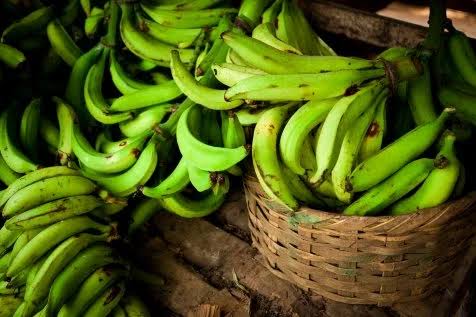
Types and Varieties of Plantain
Plantain is one of the most profitable food crops grown in tropical regions, especially in Africa, Asia, the Caribbean, and South America. It is a staple food, a reliable source of income, and a crop that enjoys high demand throughout the year. However, before starting a plantain plantation, every farmer should understand the different types and varieties of plantain available.
Choosing the right variety can significantly affect your harvest, disease resistance, fruit quality, market demand, and overall profitability.
What Is Plantain?
Plantain is a member of the banana family (Musa species), but unlike dessert bananas, plantains contain more starch and are usually cooked before eating. They are used for boiling, frying, roasting, drying into flour, making chips, and processing into many other food products.
Plantains are perennial crops, meaning they continue producing new suckers after harvesting, allowing farmers to harvest from the same plantation for several years with proper management.
Main Types of Plantain
Plantains are generally grouped into three main categories based on the shape of the bunch and fruit.
1. False Horn Plantain
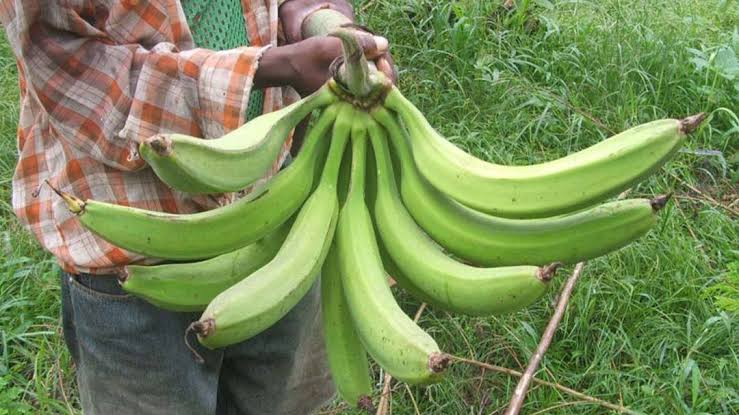
False Horn plantains produce large fruits with only a few fruits on each bunch.
Characteristics:
- Large fingers
- Thick fruits
- Heavy bunches
- Good market value
- Popular for roasting and frying
Advantages:
- High selling price
- Attractive fruit size
- Easy to market
Disadvantages:
- Produces fewer fingers per bunch
- May require good soil fertility for the best yield
2. Horn Plantain
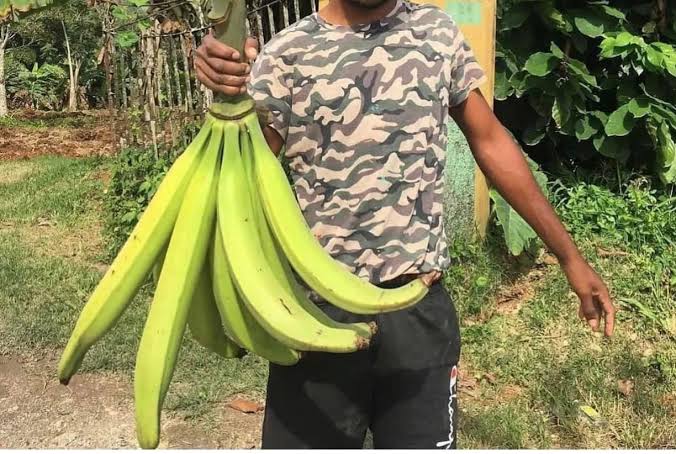
Horn plantains produce very large fruits but fewer fingers per bunch.
Characteristics:
- Very long fruits
- Thick peels
- Low number of fruits
- High weight per fruit
Advantages:
- Preferred in many local markets
- Excellent for processing
- High consumer demand
Disadvantages:
- Lower total number of fruits
- Can take slightly longer to mature
3. French Plantain
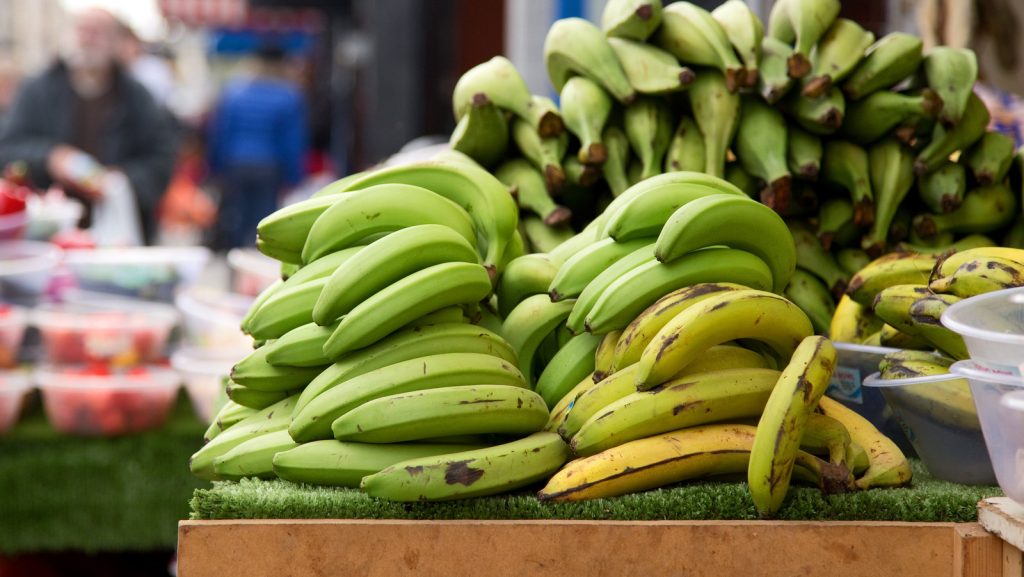
French plantains produce many smaller fruits on each bunch.
Characteristics:
- Many fingers per bunch
- Medium-sized fruits
- Good bunch appearance
- High productivity
Advantages:
- Higher number of fruits
- Better overall yield
- Suitable for commercial farming
Disadvantages:
- Smaller fruit size
- Some markets prefer larger fruits
Popular Plantain Varieties
Depending on your country and region, you may find several varieties.
Agbagba
Agbagba is one of the most popular plantain varieties in Nigeria.
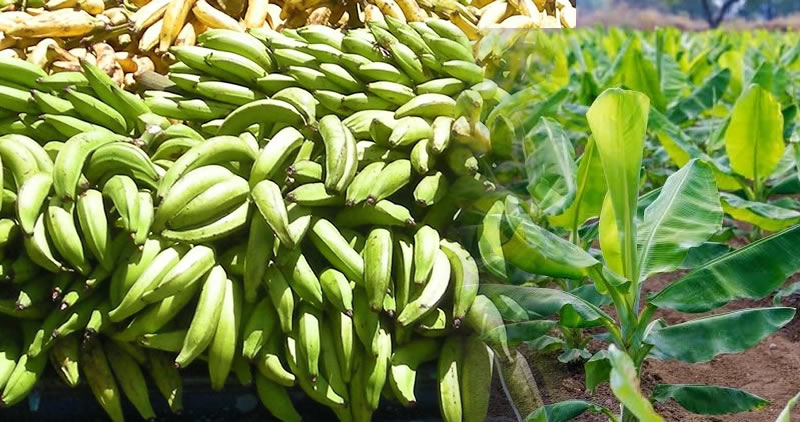
Features:
- Large bunches
- Thick fruits
- Strong market demand
- High yield
- Suitable for commercial plantations
Obino l’Ewai
This variety is known for its excellent productivity.
Features:
- Good disease tolerance
- High bunch weight
- Strong growth
- Performs well under proper management
French Reversion
A productive variety that combines good fruit quality with excellent yield.
Features:
- Numerous fruits
- Vigorous growth
- Reliable harvests
Local Plantain Varieties
Many farmers also cultivate traditional local varieties that have adapted to their environments over many years. These varieties may perform well in local conditions and often require fewer inputs.
Which Variety Is Best for Beginners?
For new farmers, varieties that combine high yield, strong growth, and good market demand are usually the best choice.
Look for varieties that:
- Produce heavy bunches
- Resist common pests and diseases
- Mature within 9–15 months
- Produce healthy suckers
- Are popular in your local market
Buying planting materials from reputable agricultural research institutes or certified nurseries helps ensure healthy and productive plants.
Choosing the Right Variety for Your Farm
Consider the following before selecting a variety:
Climate
Some varieties perform better in humid rainforest areas, while others tolerate drier conditions.
Soil Type
Plantains thrive best in deep, fertile, well-drained loamy soil rich in organic matter.
Market Demand
Grow varieties that buyers, wholesalers, and consumers in your area prefer.
Disease Resistance
Choose varieties with better tolerance to common diseases to reduce losses and production costs.
Yield Potential
Commercial farmers should prioritize varieties known for producing large bunches and healthy suckers.
How to Identify Healthy Plantain Suckers
The quality of your planting material determines the future success of your plantation.
Choose suckers that:
- Are disease-free
- Have no insect damage
- Have healthy roots
- Are 1–1.5 metres tall
- Have thick stems
- Come from healthy, high-yielding mother plants
Avoid weak, rotten, or infected suckers.
Best Variety for Commercial Farming
For farmers aiming to produce on a large scale, varieties with these characteristics are ideal:
- High bunch weight
- Uniform fruit size
- Fast growth
- Strong ratoon production
- High market acceptance
- Good resistance to pests and diseases
These qualities help maximize profits and ensure a steady supply of marketable fruits.
Common Mistakes Beginners Make
Many new plantain farmers make avoidable mistakes, including:
- Buying suckers from unknown sources
- Choosing varieties unsuitable for their climate
- Ignoring soil fertility
- Planting diseased materials
- Mixing different varieties without proper planning
- Failing to manage weeds and pests
Avoiding these mistakes greatly improves the chances of a successful plantation.
Final Thoughts
Understanding the different types and varieties of plantain is one of the first and most important decisions every new farmer must make. The right variety can improve yield, increase profits, reduce disease problems, and make your plantation more productive for many years.
Before planting, study your local climate, understand your target market, prepare fertile land, and obtain healthy planting materials from reliable sources. With proper planning and good farm management, plantain farming can become a sustainable and profitable agribusiness.
Whether you are planting a small backyard farm or establishing a large commercial plantation, choosing the right plantain variety is the foundation of long-term success.
Leave a Reply