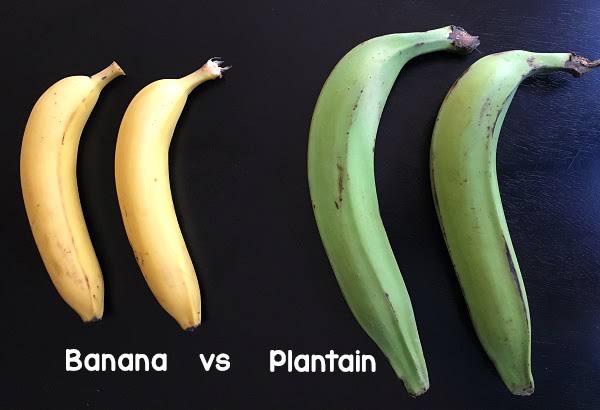
Plantain vs Banana
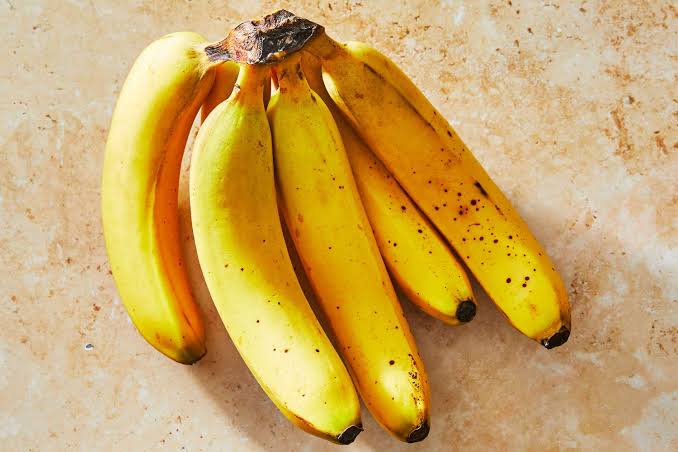
Many people often confuse plantains with bananas because they belong to the same plant family and look similar. However, they are very different in terms of taste, farming methods, harvesting, cooking, and market value. If you are planning to start a plantain plantation or are already growing plantains, understanding these differences is essential.
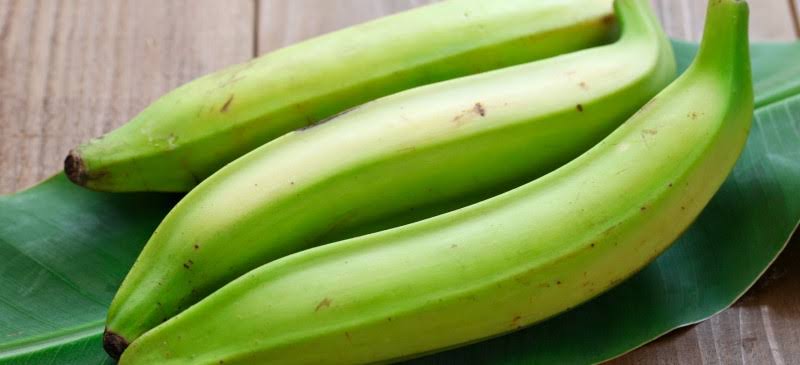
This guide explains everything you need to know about plantains and bananas, especially from the perspective of a plantain farmer.
What Is a Plantain?
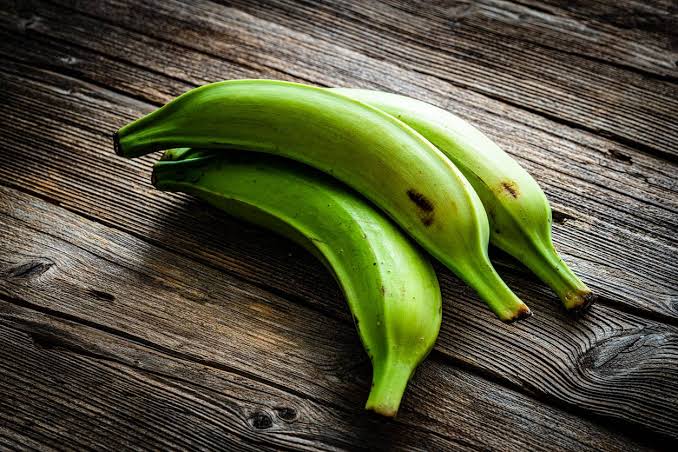
Plantain is a starchy tropical fruit that belongs to the Musa family. Unlike dessert bananas, plantains are mainly cooked before eating. They are a major food crop in many African, Caribbean, Latin American, and Asian countries.
Plantains are widely cultivated because they produce high yields and have strong market demand throughout the year.
What Is a Banana?
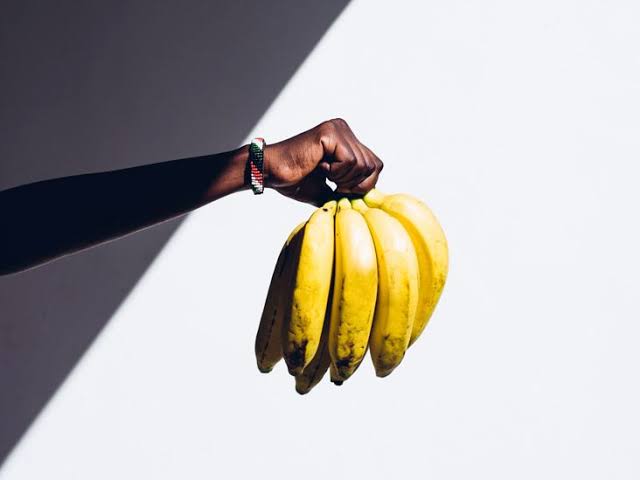
Bananas also belong to the Musa family but are mainly eaten fresh without cooking. They are sweeter, softer, and contain more natural sugars than plantains.
Bananas are commonly grown for fresh fruit markets and export.
Plantain vs Banana: Main Differences
1. Taste
Plantain
- Less sweet when unripe
- Rich in starch
- Develops sweetness only when fully ripe
- Usually cooked before eating
Banana
- Naturally sweet
- Soft texture
- Ready to eat when ripe
- Commonly eaten raw
2. Appearance
Plantains are generally:
- Larger
- Longer
- Thicker
- Have thicker skin
- Green when immature
- Yellow and eventually black when ripe
Bananas are usually:
- Smaller
- Slimmer
- Thin-skinned
- Bright yellow when ripe
3. Cooking
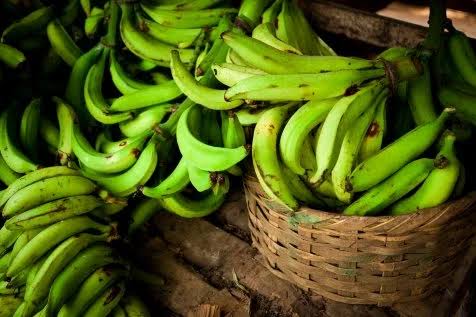
Plantains are ideal for:
- Boiling
- Frying
- Roasting
- Baking
- Making plantain flour
- Producing plantain chips
Bananas are mostly eaten:
- Fresh
- In smoothies
- Fruit salads
- Desserts
- Cakes
- Yogurt
4. Nutritional Value
Plantains contain:
- More starch
- Higher dietary fiber
- Vitamin A
- Vitamin C
- Vitamin B6
- Potassium
- Magnesium
Bananas contain:
- More natural sugar
- Potassium
- Vitamin B6
- Vitamin C
- Antioxidants
Both fruits are nutritious but serve different dietary purposes.
Farming Differences
Plantain Farming
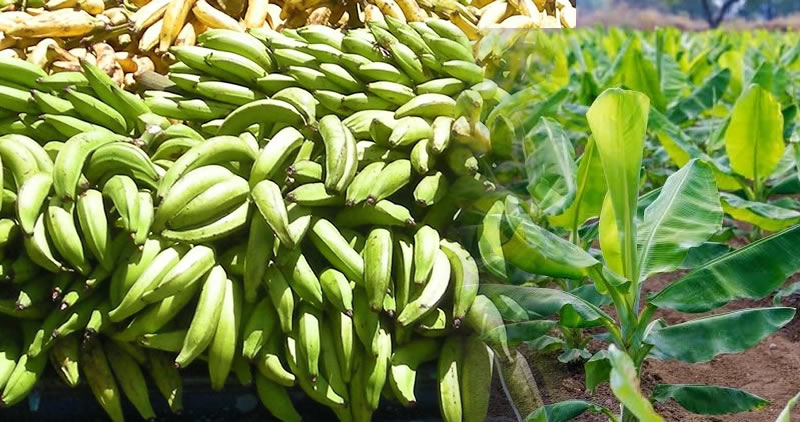
Plantain farming is more suitable for commercial agriculture because plantains are used daily in homes, restaurants, food processing industries, and markets.
Farmers usually establish plantations that can produce for several years through ratooning (new suckers replacing harvested plants).
Banana Farming
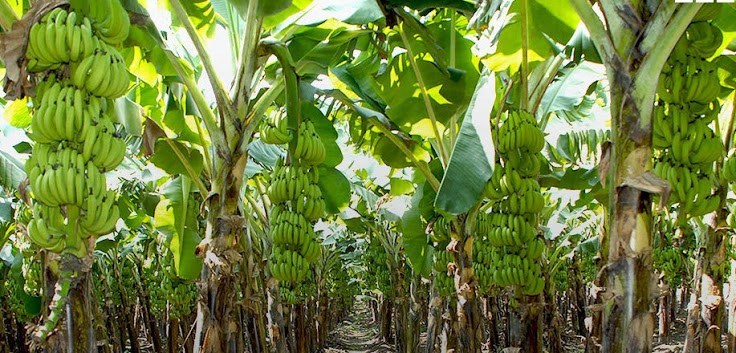
Bananas are often grown for fresh fruit markets. Although profitable, bananas generally require more careful handling after harvest because they bruise easily.
Climate Requirements
Both crops require:
- Tropical climate
- Warm temperatures
- Well-drained soil
- Regular rainfall
- Plenty of sunlight
However, plantains usually tolerate slightly harsher conditions than many dessert banana varieties.
Soil Requirements
The best soil for both crops is:
- Deep loamy soil
- Rich organic matter
- Good drainage
- Soil pH between 5.5 and 7.0
Avoid waterlogged areas because excess water causes root rot.
Planting Materials
Both crops are propagated using:
- Healthy suckers
- Tissue-cultured seedlings (where available)
Always select disease-free planting materials from reliable sources.
Growth Period
Plantain
- First harvest: 9–15 months after planting
- Productive life: Several years through sucker regeneration
Banana
- First harvest: 8–12 months after planting
- Continues producing through new suckers
The exact timing depends on the variety and growing conditions.
Harvesting
Plantains are harvested when:
- Fruits are fully developed
- Fingers become rounded
- Peel remains green before ripening
Bananas are harvested when:
- Fruits reach full size
- Green but mature for transport and ripening
Proper harvesting helps reduce post-harvest losses.
Market Demand
Plantains have excellent demand because they are used for:
- Fried plantain
- Roasted plantain
- Plantain flour
- Plantain chips
- Traditional dishes
- Livestock feed processing
Bananas are mainly sold as:
- Fresh fruits
- Juice production
- Desserts
- Fruit processing
Profitability
Many farmers consider plantain farming highly profitable because:
- Strong consumer demand
- Multiple harvest cycles from one plantation
- Various value-added products
- High market prices during off-seasons
Good plantation management can significantly improve returns.
Common Diseases
Both crops can be affected by:
- Black Sigatoka
- Panama disease (Fusarium wilt)
- Banana bacterial wilt (in affected regions)
- Root rot
- Leaf spot diseases
Good farm hygiene, resistant varieties, proper spacing, and regular field inspections help reduce disease problems.
Common Pests
Major pests include:
- Banana weevils
- Nematodes
- Aphids
- Thrips
- Grasshoppers
Integrated pest management and regular monitoring are essential.
Best Practices for Plantain Farmers
- Select healthy planting materials.
- Prepare the land thoroughly before planting.
- Use fertile, well-drained soil.
- Apply organic manure and balanced fertilizers.
- Weed regularly.
- Mulch to conserve moisture.
- Remove excess suckers and retain only productive ones.
- Control pests and diseases promptly.
- Harvest at the correct stage of maturity.
- Keep farm records to monitor costs and yields.
Which Is Better for Commercial Farming?
For many small-scale farmers in tropical regions, plantains often provide more opportunities because they are used as both a staple food and a cash crop. Their versatility allows farmers to earn income from fresh bunches as well as processed products such as chips and flour.
However, the best choice depends on your local market, climate, available land, and farming goals.
Conclusion
Although plantains and bananas belong to the same plant family, they are different in taste, texture, use, cultivation, and market value. Plantains are starchier and mainly cooked, while bananas are sweeter and usually eaten fresh. For anyone interested in establishing a plantain plantation, learning these differences will help you make better decisions about production, harvesting, and marketing.
Whether you are a beginner or an experienced grower, investing in proper land preparation, healthy planting materials, and good plantation management will increase productivity and profitability.
Leave a Reply