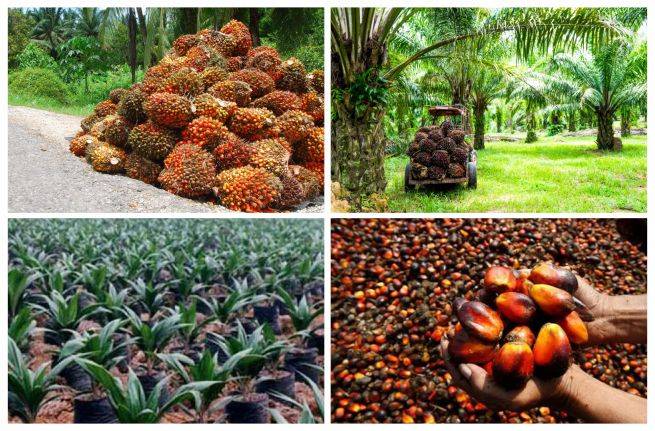
Growing oil palm successfully depends largely on how well you manage its nutrient requirements. Every oil palm tree needs the right balance of nutrients to produce high-quality fresh fruit bunches (FFB) and achieve high yield per hectare. In this guide, we’ll explain the major nutrients oil palm needs, their roles, deficiency symptoms, and how farmers can apply them effectively.
Understanding Oil Palm Nutrient Requirements
Oil palm trees are heavy feeders, meaning they require large quantities of nutrients from the soil to maintain strong growth and fruit production. These nutrients can be classified into two groups:
- Macronutrients – Needed in large amounts
- Micronutrients – Needed in smaller amounts but equally important
Essential Macronutrients for Oil Palm
1. Nitrogen (N)
- Function: Promotes leaf growth and increases photosynthesis.
- Deficiency Symptoms: Yellowing of older leaves, slow growth, and reduced yield.
- Source: Urea, Ammonium sulfate, or NPK fertilizer.
- Application Tip: Apply nitrogen regularly during the rainy season for better absorption.
2. Phosphorus (P)
- Function: Aids root development, fruit formation, and early growth.
- Deficiency Symptoms: Stunted growth, poor root development, and delayed maturity.
- Source: Single superphosphate (SSP) or Triple superphosphate (TSP).
- Application Tip: Mix phosphorus into the soil during field preparation or early growth stages.
3. Potassium (K)
- Function: Enhances fruit bunch size, oil content, and disease resistance.
- Deficiency Symptoms: Older leaves show orange spotting and later turn brown.
- Source: Muriate of potash (MOP) or potassium chloride (KCl).
- Application Tip: Potassium should be applied regularly, especially in sandy or acidic soils.
4. Magnesium (Mg)
- Function: Vital for chlorophyll formation and photosynthesis.
- Deficiency Symptoms: Yellowing between leaf veins, starting from older leaves.
- Source: Kieserite or dolomite.
- Application Tip: Apply magnesium fertilizer on moist soil to ensure better uptake.
5. Calcium (Ca)
- Function: Improves cell wall strength and supports root growth.
- Deficiency Symptoms: Poor root system and weak stems.
- Source: Lime (CaCO₃) or gypsum.
- Application Tip: Apply lime during land preparation to correct soil acidity.
6. Sulphur (S)
- Function: Aids protein formation and oil synthesis.
- Deficiency Symptoms: Pale yellow leaves and poor growth.
- Source: Ammonium sulfate or elemental sulfur.
- Application Tip: Often supplied together with nitrogen fertilizers.
Important Micronutrients for Oil Palm
Even though they are needed in small quantities, micronutrients are essential for healthy oil palm growth.
| Micronutrient | Function | Deficiency Symptoms | Common Source |
|---|---|---|---|
| Boron (B) | Flower and fruit formation | Deformed or barren fruit bunches | Borax, Solubor |
| Copper (Cu) | Strengthens leaves | Dieback and distorted fronds | Copper sulfate |
| Zinc (Zn) | Promotes enzyme activity | Small, narrow leaves | Zinc sulfate |
| Iron (Fe) | Helps chlorophyll formation | Yellowing of young leaves | Ferrous sulfate |
| Manganese (Mn) | Enhances photosynthesis | Pale leaves with green veins | Manganese sulfate |
Best Practices for Applying Fertilizers in Oil Palm Plantation
- Soil Testing: Conduct soil and leaf analysis before fertilizer application to know nutrient levels.
- Split Application: Apply fertilizers 2–4 times per year to reduce nutrient loss.
- Weed Control: Keep the area around palm bases weed-free for better nutrient uptake.
- Mulching: Use empty fruit bunches or palm fronds to retain soil moisture and add organic matter.
- Fertilizer Placement: Apply fertilizers 1–2 meters from the palm base and lightly cover with soil.
Conclusion : Boost Your Oil Palm Yield with Proper Nutrition
Understanding and managing oil palm nutrient requirements is key to achieving maximum yield and profitability. Regular fertilizer application, based on soil and leaf analysis, ensures your palms remain healthy, productive, and disease-free.
By providing your oil palm trees with the right balance of nutrients — Nitrogen, Phosphorus, Potassium, Magnesium, Calcium, and essential micronutrients — you’re securing a higher return on investment and sustainable plantation growth.
Leave a Reply