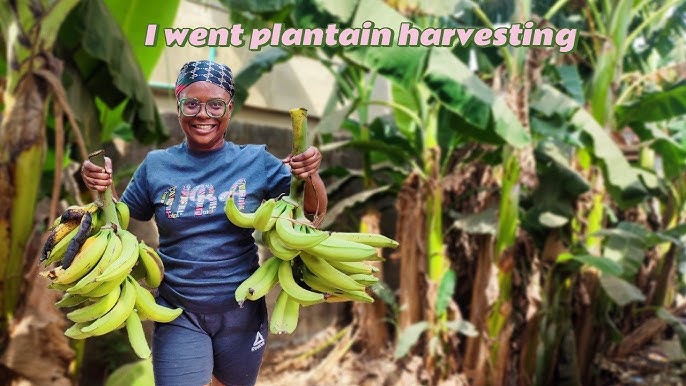
Plantain Farming for Beginners
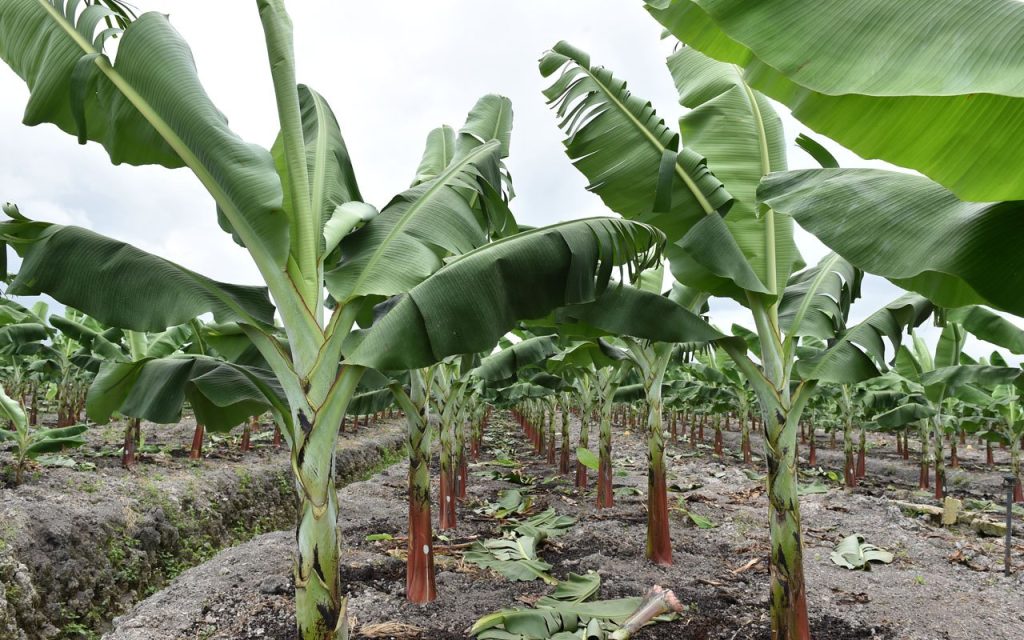
Plantain farming is one of the most rewarding agricultural businesses in many tropical countries, especially across Africa, the Caribbean, Asia, and South America. Plantain is a staple food enjoyed by millions of people every day, making it a crop with steady demand throughout the year.
If you are planning to start a plantain plantation or are new to farming, this guide will explain everything you need to know—from selecting land to harvesting and selling your produce.
What Is Plantain Farming?
Plantain farming is the cultivation of plantain plants for commercial or household consumption. Unlike dessert bananas, plantains are usually cooked before eating and are widely used for boiling, frying, roasting, baking, and processing into flour and chips.
A well-managed plantation can produce income for several years because each harvested plant is replaced by new suckers growing from the same root system.
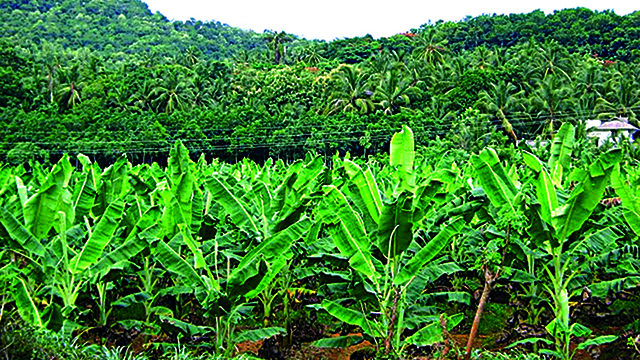
Why Invest in Plantain Farming?
Plantain farming offers numerous benefits:
- High demand throughout the year.
- Good market value in local and international markets.
- Suitable for both small-scale and commercial farming.
- Long productive lifespan with proper management.
- Can be processed into value-added products like chips, flour, and starch.
- Generates regular income after establishment.
Climate Requirements
Plantains thrive in warm, humid tropical climates.
Ideal conditions include:
- Temperature: 25°C–35°C
- Annual rainfall: 1,200–2,500 mm
- Plenty of sunshine
- High humidity
- Protection from strong winds
Although irrigation can help during dry periods, consistent rainfall produces the best results.
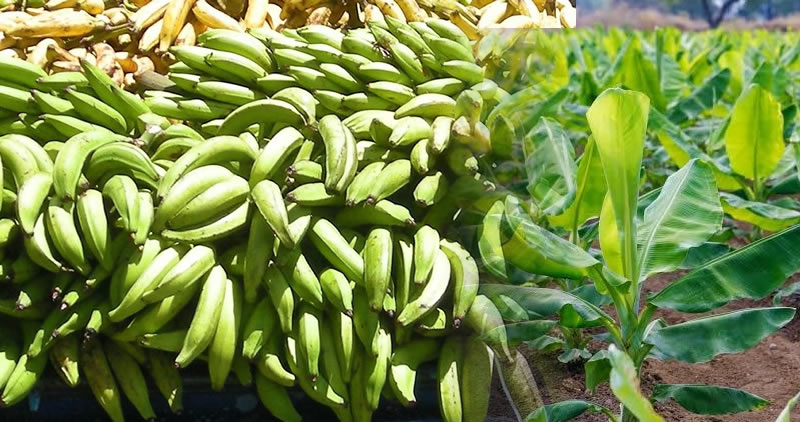
Choosing the Right Land
Land selection is one of the most important decisions.
Choose land with:
- Deep fertile soil
- Good drainage
- Plenty of sunlight
- Easy road access
- Reliable water source
- Flat or gently sloping terrain
Avoid waterlogged or rocky land because poor drainage can cause root diseases.
Best Soil for Plantain
Plantain grows best in:
- Loamy soil
- Sandy loam
- Rich organic soil
- Soil pH between 5.5 and 7.0
Before planting, conduct a soil test to understand nutrient levels and determine fertilizer requirements.
Land Preparation
Proper land preparation includes:
- Clearing bushes and trees.
- Removing weeds and stumps.
- Ploughing or tilling the soil if necessary.
- Marking planting spots.
- Digging planting holes.
- Adding compost or well-rotted manure.
Good preparation encourages healthy root development.
Choosing Healthy Planting Materials
Always plant healthy, disease-free suckers.
The best planting materials include:
- Sword suckers (highly recommended)
- Tissue-cultured seedlings
- Certified disease-free planting materials
Avoid weak or diseased suckers because they reduce yields.
Best Time to Plant
The best planting period is at the beginning of the rainy season. This allows young plants to establish strong roots before dry weather begins.
Where irrigation is available, planting can be done throughout the year.
Planting Spacing
Proper spacing improves sunlight penetration and air circulation.
Common spacing:
- 3 m × 3 m
- 2.5 m × 3 m
This accommodates approximately 1,100–1,300 plants per hectare depending on the planting system.
Water Requirements
Young plants require regular watering.
During dry seasons:
- Irrigate consistently.
- Apply mulch to conserve moisture.
- Avoid prolonged drought stress.
Water is essential during flowering and fruit development.
Fertilizer Application
Plantains require nutrients such as:
- Nitrogen (N)
- Phosphorus (P)
- Potassium (K)
- Calcium
- Magnesium
Organic fertilizers include:
- Poultry manure
- Cow dung
- Compost
- Farmyard manure
Chemical fertilizers can also be applied according to soil test recommendations.
Mulching
Mulching helps to:
- Retain soil moisture.
- Reduce weeds.
- Improve soil fertility.
- Regulate soil temperature.
- Prevent soil erosion.
Suitable mulch materials include dry grass, leaves, straw, and crop residues.
Weed Control
Weeds compete with plantains for nutrients and water.
Control weeds through:
- Manual weeding
- Mulching
- Herbicides (used carefully)
- Mechanical clearing
Keep the plantation clean throughout the growing season.
Pruning and Desuckering
Each plant produces many suckers.
Remove excess suckers regularly and retain only one or two healthy replacements for future harvests.
This improves fruit size and overall plantation productivity.
Common Pests
Major pests include:
- Banana weevil
- Nematodes
- Aphids
- Grasshoppers
Regular monitoring and integrated pest management help reduce infestations.
Common Diseases
Watch for diseases such as:
- Black Sigatoka
- Panama disease (Fusarium wilt)
- Bacterial wilt
- Leaf spot diseases
Use disease-free planting materials and maintain good field sanitation to reduce outbreaks.
Flowering and Fruiting
Depending on the variety and growing conditions, flowering usually occurs between 8 and 12 months after planting.
Fruits continue developing for several months before reaching maturity.
Harvesting
Plantains are usually ready for harvest between 9 and 15 months after planting.
Harvest when:
- Fruits are fully developed.
- The angles on the fruits become rounded.
- Fruits are mature but still green for transport.
Harvest carefully to avoid bruising.
Post-Harvest Handling
After harvesting:
- Clean the bunches.
- Sort according to quality.
- Remove damaged fruits.
- Store in cool, shaded conditions.
- Transport carefully to prevent injuries.
Proper handling increases shelf life and market value.
Marketing Your Plantain
You can sell to:
- Local markets
- Supermarkets
- Restaurants
- Hotels
- Food processors
- Export buyers
- Plantain chip producers
- Flour manufacturers
Building relationships with reliable buyers ensures consistent sales.
Value-Added Opportunities
Instead of selling only fresh plantains, consider producing:
- Plantain chips
- Plantain flour
- Plantain starch
- Plantain powder
- Roasted plantain
- Frozen plantain products
Value addition often increases profits.
Challenges in Plantain Farming
Like any farming business, plantain production has challenges:
- Pest attacks
- Diseases
- Poor road networks
- Climate change
- High fertilizer costs
- Strong winds
- Drought
- Theft
- Market price fluctuations
Planning ahead and adopting good farming practices can reduce these risks.
Tips for Beginners
- Start with a manageable farm size.
- Buy quality planting materials.
- Test your soil before planting.
- Keep accurate farm records.
- Weed regularly.
- Apply fertilizers correctly.
- Control pests and diseases early.
- Learn from experienced farmers.
- Join farmer cooperatives.
- Reinvest profits to expand your plantation.
Is Plantain Farming Profitable?
Yes. Plantain farming can be highly profitable because demand remains strong throughout the year. Farmers who use improved planting materials, maintain healthy plantations, and adopt good agronomic practices often enjoy consistent yields and attractive returns. Expanding into value-added products such as chips or flour can further increase profitability.
Final Thoughts
Plantain farming is an excellent opportunity for young people, first-time farmers, and investors looking to build a sustainable agribusiness. Success depends on careful planning, proper land preparation, the use of healthy planting materials, good crop management, and access to reliable markets.
With patience, continuous learning, and consistent care, a plantain plantation can provide a dependable source of food, employment, and long-term income for many years.
Leave a Reply