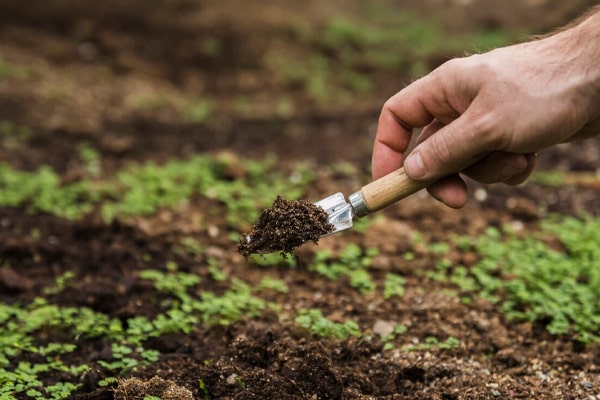
Soil Testing Before Planting Rice in Nigeria
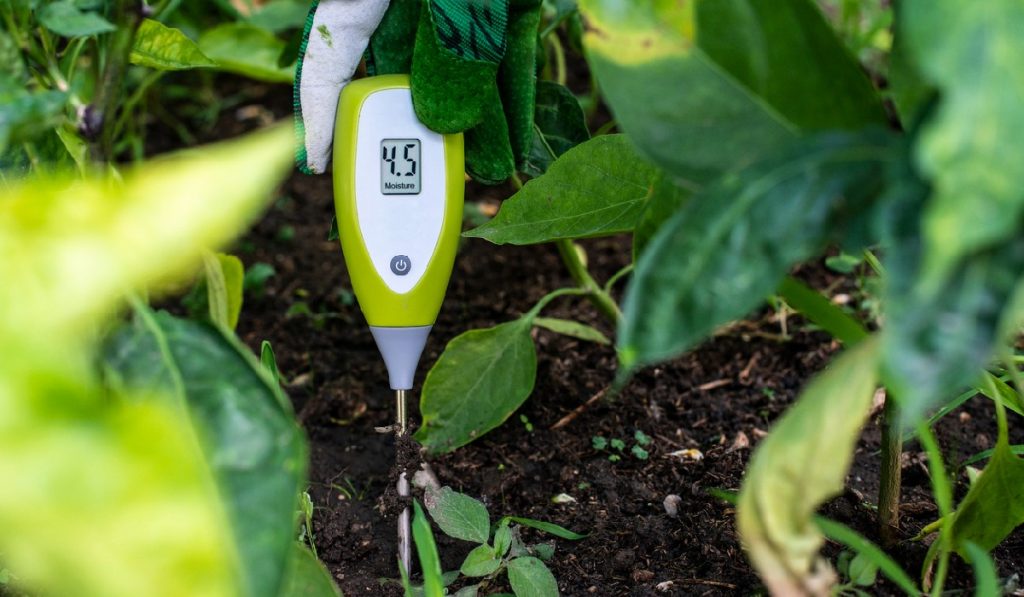
Soil Testing Before Planting Rice Farming in Nigeria
Rice farming is one of the most profitable agricultural businesses in Nigeria. However, many farmers lose money because they plant rice without knowing whether their soil is suitable for rice cultivation. Soil testing is one of the first and most important steps every rice farmer should take before planting.
Whether you are a beginner or an experienced farmer, soil testing helps you understand your land and make better farming decisions that lead to higher yields and increased profits.
What Is Soil Testing?
Soil testing is the process of collecting soil samples from your farmland and sending them to a laboratory for analysis. The test reveals the nutrients available in the soil, its pH level, organic matter content, and other important properties that affect rice growth.
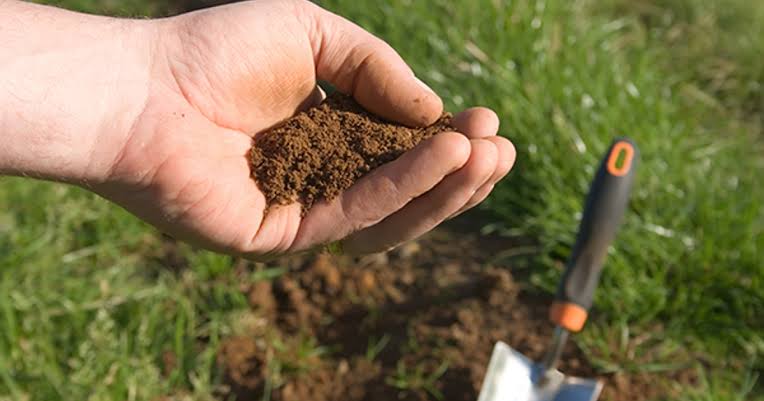
With this information, farmers can apply the right fertilizer in the right quantity instead of wasting money on unnecessary inputs.
Why Soil Testing Is Important Before Planting Rice
1. Know If Your Soil Is Suitable for Rice
Not every piece of land is ideal for rice cultivation. Soil testing determines whether your farmland has the right characteristics to support healthy rice production.
2. Detect Nutrient Deficiencies
Rice requires essential nutrients such as nitrogen (N), phosphorus (P), potassium (K), sulphur, zinc, and other micronutrients. Soil testing identifies which nutrients are lacking so you can correct the problem before planting.
3. Save Money on Fertilizers
Many farmers apply fertilizers based on guesswork. Soil testing prevents unnecessary spending by showing exactly what your soil needs. This reduces production costs and improves efficiency.
4. Increase Rice Yield
Healthy soil produces healthier rice plants. Balanced nutrient levels encourage strong root development, vigorous growth, better tillering, and higher grain production.
5. Improve Fertilizer Efficiency
When fertilizers are applied according to soil test recommendations, plants absorb nutrients more effectively, resulting in better crop performance.
6. Prevent Soil Degradation
Continuous farming without soil testing can deplete nutrients and reduce soil fertility. Regular testing helps maintain healthy soil for long-term rice production.
7. Maintain Proper Soil pH
Rice grows best in slightly acidic soils with a pH of about 5.5 to 7.0. If the soil is too acidic or too alkaline, nutrient uptake becomes difficult. Soil testing helps determine whether lime or other amendments are needed.
8. Protect the Environment
Applying excessive fertilizer can pollute rivers, streams, and groundwater. Soil testing promotes responsible fertilizer use and protects the environment.
What Does a Soil Test Measure?
A standard soil test usually checks:
- Soil pH
- Nitrogen level
- Phosphorus level
- Potassium level
- Organic matter
- Calcium
- Magnesium
- Sulphur
- Zinc
- Soil texture (sand, silt, and clay)
How to Collect Soil Samples
To obtain accurate results:
- Collect samples before land preparation.
- Take soil from 10–15 different spots across the field.
- Sample from a depth of 15–20 cm.
- Mix all the samples thoroughly in a clean bucket.
- Remove stones, sticks, and plant residues.
- Air-dry the sample in the shade.
- Place about 500 grams in a clean labeled bag and send it to a soil testing laboratory.
When Should Soil Testing Be Done?
The best time to test your soil is several weeks before planting. This gives enough time to apply lime, manure, or fertilizers according to the recommendations.
Benefits for New Rice Farmers in Nigeria
If you are planning to start rice farming, soil testing will help you:
- Avoid costly mistakes.
- Choose the best fertilizer program.
- Produce healthier rice crops.
- Increase harvest and profits.
- Reduce fertilizer waste.
- Build long-term soil fertility.
- Make informed farming decisions.
Conclusion
Successful rice farming starts from the soil. Soil testing is not an unnecessary expense—it is an investment that helps farmers understand their land, improve crop performance, reduce production costs, and maximize yields. Every rice farmer in Nigeria should make soil testing a regular part of their farming practice before every planting season. By knowing what your soil needs, you can produce healthier rice, earn more income, and achieve sustainable farming success.
Leave a Reply