Selecting Pig Breeds Suitable for Meat Production, Breeding, and Local Climate
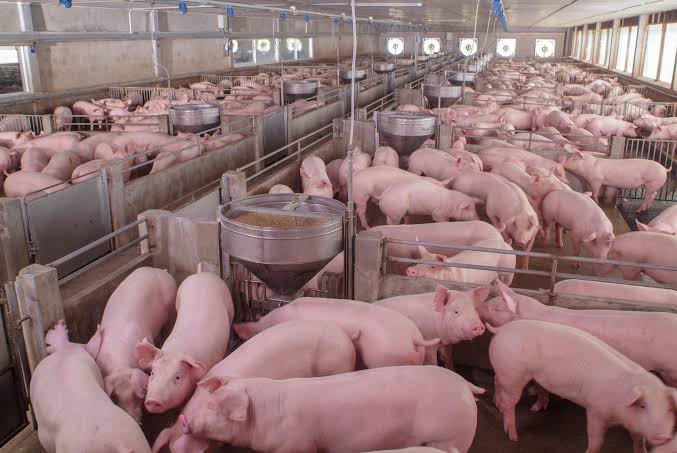
Choosing the right pig breed is one of the most important decisions a pig farmer can make. The breed you select will affect growth rate, feed efficiency, disease resistance, fertility, and profitability. Young pig farmers and those planning to enter pig farming should understand the strengths and weaknesses of different breeds before investing.
Why Breed Selection Matters
The right breed can help you:
- Produce more meat in less time.
- Reduce feed costs.
- Improve litter size and piglet survival.
- Increase resistance to diseases.
- Adapt better to local weather conditions.
- Earn higher profits.
Poor breed selection can lead to slow growth, poor reproduction, and increased production costs.
Pig Breeds Suitable for Meat Production
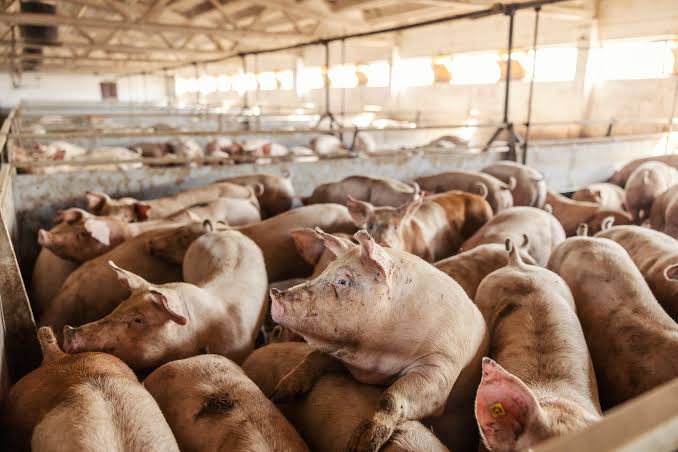
1. Large White (Yorkshire)
One of the most popular pig breeds worldwide.
Advantages:
- Fast-growing.
- Produces high-quality pork.
- Good feed conversion ratio.
- Large litter sizes.
Best for: Commercial meat production and breeding.
2. Landrace
Known for excellent mothering abilities.
Advantages:
- Long-bodied with high meat yield.
- Produces many piglets.
- Good milk production for piglets.
Best for: Breeding and pork production.
3. Duroc
A hardy breed with excellent growth performance.
Advantages:
- Fast weight gain.
- Strong disease resistance.
- Produces lean meat.
Best for: Meat production and crossbreeding.
4. Hampshire
Recognized by its black body with a white belt.
Advantages:
- Lean meat production.
- Strong and hardy.
- Efficient feed utilization.
Best for: Commercial pork production.
Breeds Suitable for Breeding Purposes
For breeding operations, focus on breeds with:
- High fertility.
- Large litter sizes.
- Good mothering ability.
- Strong piglet survival rates.
Recommended breeding breeds include:
- Large White
- Landrace
- Duroc (for boars)
- Crossbred sows
Many successful farms use Landrace × Large White crosses because they combine excellent reproductive traits and growth performance.
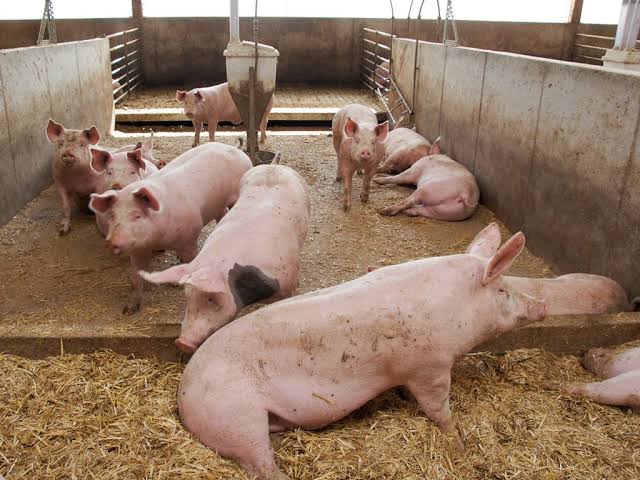
Breeds Suitable for Local Tropical Climates
In many African countries, including Nigeria, heat tolerance is important.
Indigenous (Local) Pigs
Advantages:
- Adapt well to local weather.
- Resistant to some local diseases.
- Require less intensive management.
Disadvantages:
- Slower growth.
- Smaller body size.
- Lower meat yield.
Crossbred Pigs
Crossbreeding local pigs with exotic breeds often provides:
- Better growth rates.
- Improved disease resistance.
- Greater adaptability to local conditions.
Many Nigerian pig farmers prefer crossbreeds because they balance productivity and hardiness.
Factors to Consider Before Choosing a Breed
1. Farming Objective
Ask yourself:
- Do you want to produce pork?
- Do you want to sell breeding stock?
- Do you want both?
Your goal determines the best breed choice.
2. Climate
Select breeds that can tolerate the temperature and humidity of your area.
3. Feed Availability
Some breeds require higher-quality feed to perform well.
4. Disease Resistance
Choose breeds known for hardiness in your region.
5. Market Demand
Raise breeds that produce the type of pork preferred by buyers in your area.
Common Mistakes Young Pig Farmers Should Avoid
- Buying pigs based only on low price.
- Ignoring breed characteristics.
- Purchasing breeding stock from unreliable sources.
- Mixing unrelated breeds without a breeding plan.
- Selecting breeds unsuitable for the local climate.
Final Advice for New Pig Farmers
For beginners, a combination of Large White, Landrace, and Duroc crossbreeds is often an excellent choice because these pigs grow quickly, produce quality meat, and perform well under proper management. Always buy healthy breeding stock from reputable farms and choose breeds that match your production goals and local environmental conditions.
A good breed is the foundation of a profitable pig farming business. Choosing wisely today can determine your success for many years to come.
Leave a Reply